


⚡ TL;DR: Learn why speed is crucial in Structural Drying Services for Seattle homes, as moisture multiplies fast, with insights on signs, techniques, local challenges, and a real case study.
📋 What You’ll Learn
In this guide to structural drying in Seattle, you’ll uncover why speed prevents disaster, the science of rapid moisture spread, hidden damage signs, pro drying methods, and Seattle-specific hurdles for home protection.
- Grasp the essentials of structural drying by exploring the precise process of moisture extraction from walls, floors, and cavities to halt rot and mold before they compromise your home’s foundation.
- Uncover the science of moisture urgency including how water multiplies damage exponentially in hours, leading to warping, weakening structures, and costly repairs if not addressed immediately.
- Spot hidden water damage indicators in Seattle homes like musty odors, soft spots, discolored drywall, and buckling floors that signal deep structural threats needing urgent professional intervention.
- Master pro techniques for fast drying featuring air movers, dehumidifiers, thermal imaging, and monitoring strategies that restore safety and dryness efficiently in real-world scenarios.
- Navigate Seattle’s unique drying challenges from relentless rain, high humidity, aging wood frames, and urban layouts that demand tailored, localized expertise for optimal results.
📖 Reading time: 7 min
✍️ Author expertise: Seattle water damage pro with 15+ years structural drying field experience in rainy PNW homes.
Your Seattle home just took a hit from a relentless downpour or a sneaky pipe burst. Water's not just sitting on the floor—it's invading walls, floors, and ceilings, turning solid structure into a ticking time bomb. One wrong move, and you're staring down mold, rot, and repair bills that hit like a freight train.
Here's the brutal truth: in structural drying, every hour counts. Slow it down, and hidden moisture wreaks havoc you can't see until it's too late—warped beams, crumbling drywall, skyrocketing health risks. But crank up the speed with pros who know Seattle's wet chaos inside out, and you flip the script.
Discover exactly how rapid structural drying in Seattle turns potential disaster into a quick win for your property.
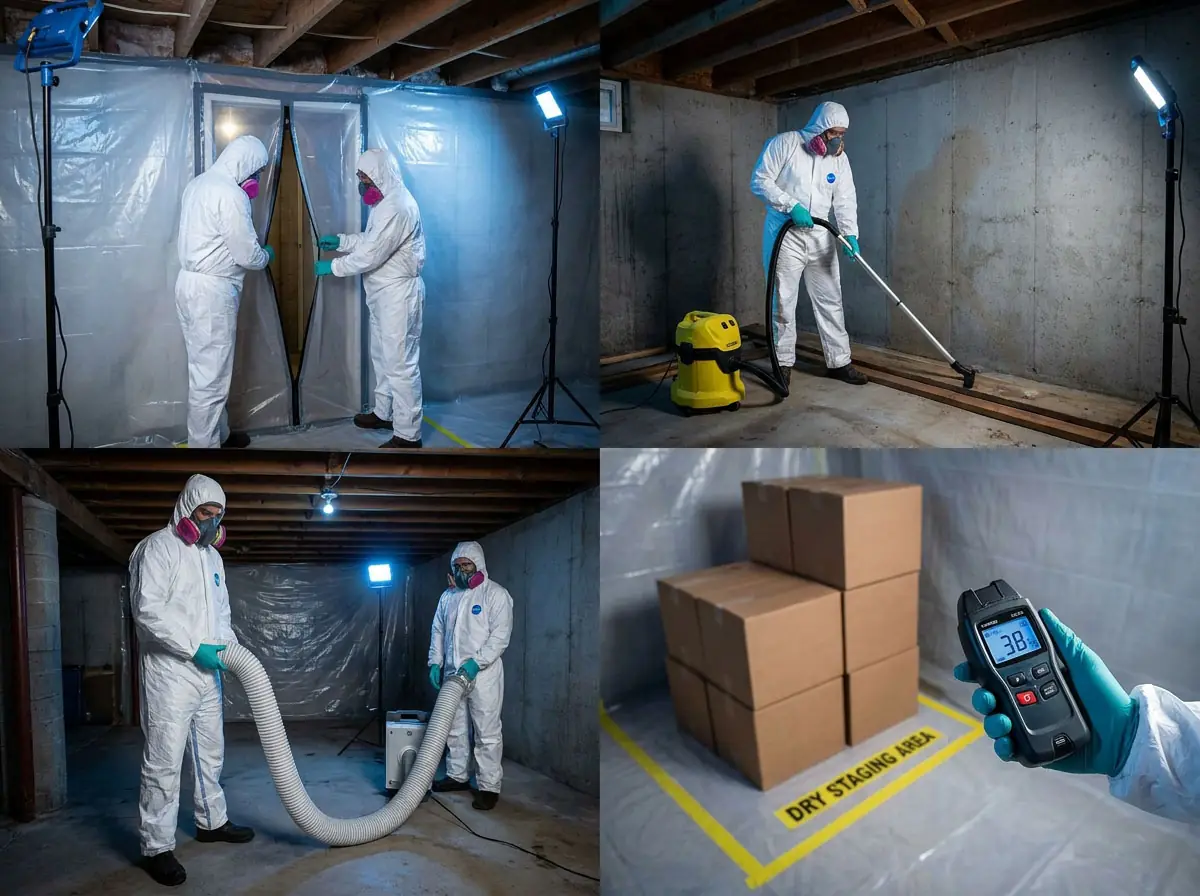
What is Structural Drying? Breaking Down the Process
Structural drying goes way beyond mopping up puddles. It targets water soaked deep into your home's bones—think wood studs, insulation, drywall, and concrete slabs. Pros like us hit it hard to pull out every drop before rot sets in.
The Step-by-Step Breakdown
We start with a sharp inspection. Moisture meters and thermal cameras reveal hidden pockets you can't spot with your eyes. Then extraction blasts out standing water fast.
- Air movers whip up winds to evaporate trapped moisture.
- Dehumidifiers suck it from the air like industrial vacuums.
- Heat amps things up if needed, but we control it to avoid cracks.
Monitoring never stops. We check levels every few hours, tweaking as we go. This cycle repeats until your structure reads bone-dry on our gear.
Skip this pro process, and you're gambling with mold colonies and weak beams. Get it right, and your Seattle home bounces back solid.
The Science Behind Speed: Why Moisture Multiplication Happens Fast
Water doesn't just pool. It wicks up into drywall like a sponge, travels through wood fibers, and seeps into insulation faster than you think. In the first 24 hours, moisture content in structural materials can jump 200% or more.
Why the rush? Porous stuff like lumber and concrete act like magnets for water molecules. Capillary action pulls it deep, and evaporation slows as humidity builds inside walls.
Damage Timeline That'll Shock You
- Hour 1-12: Water saturates surfaces, hidden spread begins.
- Day 1-2: Mold spores activate in dark, damp spots.
- Day 3+: Wood swells, weakens; bacteria feast, rot sets in.
Hit pause early with air movers and dehumidifiers. That chain reaction stops cold.
Seattle's cool temps make it worse. Water hangs around longer, feeding the beast.
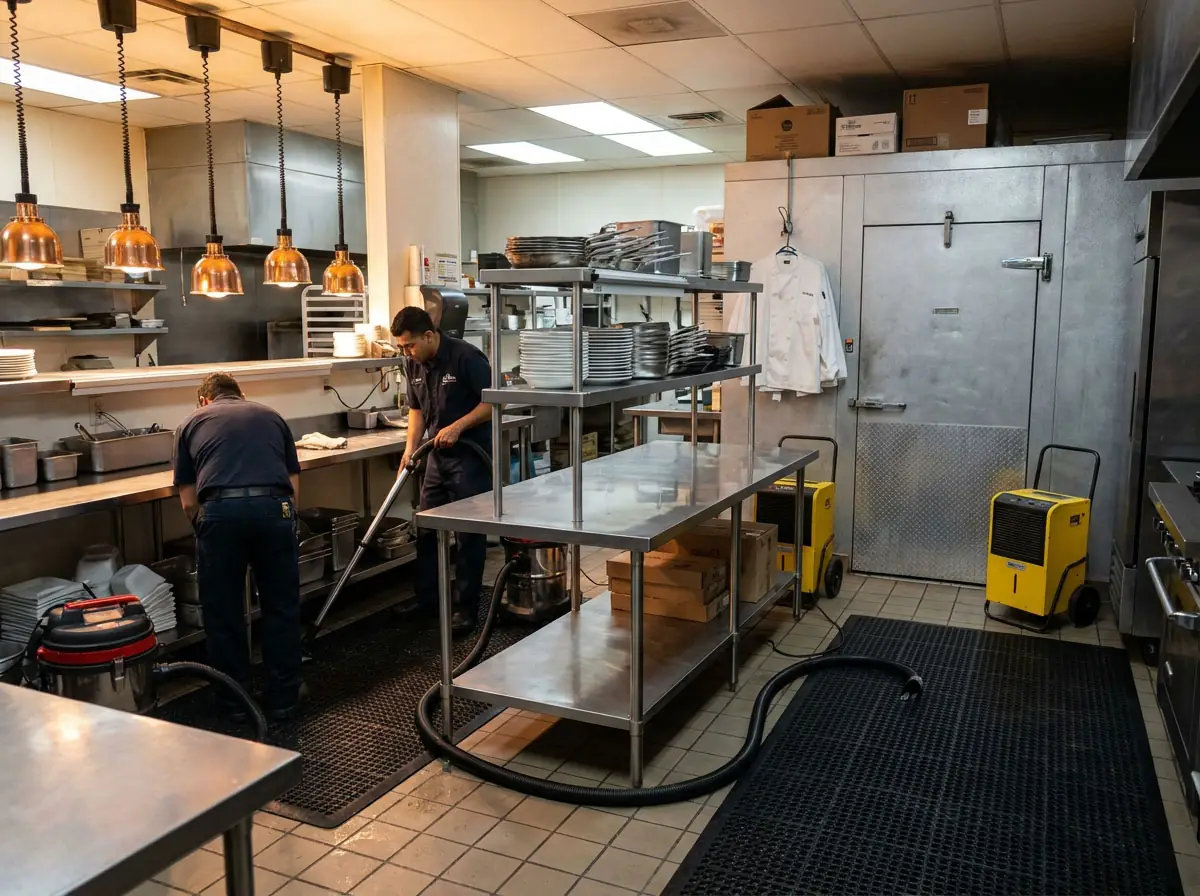
Common Signs of Hidden Structural Water Damage in Seattle Homes
Spot the Sneaky Clues Before They Bite
Water damage hides like a thief in the night. You might not see puddles, but your home screams warnings if you know where to look. Act fast on these signs, or pay later.
- Warped or buckling hardwood floors: Seattle's constant dampness makes wood swell fast. Check baseboards for lifts or gaps.
- Musty odors from nowhere: That basement smell? Mold's party invite. Sniff around vents and crawlspaces.
- Soft spots in drywall or ceilings: Press gently. If it gives like wet sponge, moisture's eating your structure alive.
Peeling paint or bubbling wallpaper often gets dismissed as old age. In rainy Seattle, it's water trapped behind surfaces. Ignore it, and rot spreads to beams.
Cracks in foundations or shifting doors signal big trouble. Doors sticking? Floors sloping? Your house shifts when water undermines the base. Call pros before it worsens.
Pro Techniques for Rapid Drying: Tools and Strategies That Work
Pros don't mess around with fans from the garage. We deploy industrial-grade air movers that blast high-velocity airflow to evaporate trapped moisture fast. Pair those with powerful dehumidifiers pulling water vapor like a vacuum on steroids.
Moisture meters and thermal cameras spot hidden pockets no DIYer catches. These gadgets read deep into walls and slabs, guiding us to cut out soaked drywall or drill relief holes precisely.
Battle-Tested Strategies That Seal the Deal
- Set up negative pressure: Seal the space and force moist air out, blocking fresh humidity from sneaking back in.
- Layer the attack: Hit with heat first to loosen water bonds, then move air, then scrub the air dry.
- Monitor hourly: Adjust on the fly based on real-time readings, not guesses.
This combo drops drying time from weeks to days. Skip a step, and you're back to square one with rot setting in.

Seattle-Specific Challenges: Navigating Rain, Humidity, and Old Builds
Seattle's endless rain doesn't quit. It soaks through roofs and foundations faster than you can grab a towel. That constant barrage means water damage hits hard and sticks around.
Beating Back the Humidity Monster
High humidity here turns drying into a battle. Air already packed with moisture fights every fan and dehumidifier you throw at it. Pros counter with industrial-grade gear that pulls water out no matter what.
- Targeted air movers create directed airflow to punch through damp air.
- Desiccant dehumidifiers swap moisture for super-dry air.
- Real-time sensors track progress, adjusting on the fly.
Old Homes Demand Special Care
Capitol Hill bungalows and Queen Anne Victorians? They're beauties with wood frames that drink up water like sponges. Modern drying skips the surface; we drill in to hit hidden pockets before rot sets.
Skip the shortcuts. One overlooked joist in a 1920s build, and your floors cave. Speed plus Seattle smarts keeps history standing strong.
Case Study: How We Saved a Capitol Hill Home from Total Collapse
A classic Capitol Hill Victorian. Built in 1905. Owner wakes to a gushing pipe in the basement—water soaks joists, subfloors, and studs up to the second level.
By the time they called us at 2 AM, moisture levels hit 40% in the wood framing. Left alone? Rot sets in within 48 hours. Mold spores activate. Total gut job ahead.
The Blitz Response
We hit the scene with truck-mounted dehumidifiers and high-velocity air movers. Injected drying balls into walls for hidden spots. Monitored with thermal imaging every four hours.
- Day 1: Pulled moisture down to 20% in primary beams.
- Day 2: Floors dry. Walls stable. No warping detected.
- Day 3: Structure back to pre-loss condition. Homeowner walks the floors without a creak.
Cost to owner? Under $8,000. Versus $75,000 rebuild. Speed flipped the nightmare into a footnote. That's Capitol Hill reality when pros move fast.
Final Thoughts
Speed isn't just a buzzword in structural drying. It's your home's best defense against invisible destruction that balloons costs fast. Hesitate, and a simple leak morphs into a five-figure nightmare.
Spot water intrusion? Shut off the source. Then grab pros who pack the gear and know-how to dry deep and dry quick.
- Skip the fans and dehumidifiers from the hardware store—they barely scratch the surface.
- Trust equipment that pulls moisture from hidden spots before rot sets in.
- Save your Seattle property with Structural Drying Services that deliver results, not regrets.
One call flips the odds. Your structure stays solid. Act before the clock runs out.
People Also Ask
What is structural drying and why is it important in Seattle?
Structural drying is a specialized process that removes moisture from the walls, floors, and foundations of a home to prevent long-term damage. In Seattle's wet climate, it's crucial because unchecked moisture leads to mold, rot, and structural weakening. Acting fast with professional structural drying saves homes from costly repairs and health risks.
How long does structural drying take after water damage in Seattle?
Structural drying typically takes 3-5 days, depending on the extent of water intrusion and Seattle's high humidity levels. Professionals use advanced equipment like dehumidifiers and air movers to accelerate the process and monitor moisture levels precisely. Delaying can extend timelines dramatically due to secondary damage.
Why is speed critical in structural drying for Seattle homes?
Speed is everything because water spreads rapidly into porous materials like wood and drywall, multiplying damage within 24-48 hours through wicking and mold growth. In Seattle's rainy environment, slow drying allows humidity to exacerbate issues, leading to weakened beams and foundations. Quick intervention preserves structural integrity and avoids thousands in rebuild costs.
What are the signs of hidden structural water damage in Seattle properties?
Hidden signs include buckling floors, soft spots in walls, musty odors, and discolored baseboards, often missed after initial cleanup. Seattle's frequent rains make older homes especially vulnerable to crawlspace and foundation moisture. Professional inspections with moisture meters reveal these issues before they cause collapse.
How much does professional structural drying cost in Seattle?
Costs range from $1,500 to $5,000 based on the affected area and drying complexity, influenced by Seattle's humid conditions requiring extra equipment time. Investing in pros prevents higher future expenses from mold remediation or structural failure. Many local companies offer free assessments to provide accurate quotes.

Bob Bently is a fire, water, and mold cleaning specialist with over 11 years of experience serving residential and commercial buildings in Seattle, WA. He focuses on water damage restoration tailored to the region's wet climate and frequent rain challenges. Bob provides reliable cleanup solutions for Seattle homeowners and businesses.
Need Water Damage?
Swift water damage restoration in Seattle, WA and nearby areas (98101, 98109, 98121, 98004, 98033), drying properties fast to minimize mold and structural loss.
Get Water Estimate