


⚡ TL;DR: This guide helps Seattle homeowners spot flood damage early, take immediate steps, and understand the professional Flood Damage Restoration process, with local prevention tips.
📋 What You’ll Learn
In this ultimate flood damage guide for Seattle, WA homes, you'll gain essential knowledge on spotting signs, stopping spread, assessing damage, restoration processes, and local prevention strategies amid our rainy climate.
- Spot early flood damage signs in Seattle homes like warped floors, musty odors, and discolored walls to catch issues before they lead to mold or structural threats.
- Take immediate steps to limit worsening by shutting off utilities, removing standing water, and ventilating spaces quickly after floods from heavy Puget Sound rains.
- Assess water damage extent thoroughly checking hidden areas such as crawlspaces, behind drywall, and HVAC systems to prevent overlooked issues and costly future repairs.
- Navigate professional restoration processes from water extraction and drying to repairs, illustrated by real Ballard home case studies post-record Seattle downpours.
- Apply Seattle-specific prevention tips including sump pumps, proper grading, sealants, and insurance checks tailored to our frequent winter floods and king tides.
📖 Reading time: 7 min
✍️ Author expertise: Seattle water damage pro with 20 years field experience restoring flooded WA homes.
Seattle's relentless rain doesn't mess around. One brutal downpour, and your cozy home floods faster than you can say "Noah's Ark." Suddenly, you're staring at warped floors, ruined drywall, and a soggy mess that reeks of mildew.
Don't panic. You've got options to fight back and reclaim your space before mold takes over.
This guide cuts through the chaos with proven steps tailored for Seattle homes. Read on to discover how to spot damage early, stop it cold, and restore everything good as new.

Spotting Early Signs of Flood Damage in Seattle Homes
Seattle's wet weather hits hard. Water sneaks in through cracks, roofs, or poor drainage. Catch it fast, or you're looking at thousands in repairs.
Start with the obvious. Look for puddles on floors or wet spots on carpets. Warped hardwood swells quick in our rainy climate.
Hidden Clues You Can't Ignore
- Bubbling paint or peeling wallpaper screams trapped moisture.
- Soft, crumbling drywall when you push it.
- That funky, musty smell from hidden mold growth.
- Cold spots on walls or floors that stay damp.
- Squeaky floors or doors sticking from swelling wood.
Check basements first. Seattle homes often flood there during heavy rains. Ignore these signs, and small leaks turn into major disasters.
Immediate Steps to Stop Flood Damage from Worsening
Water's invading. Your first move? Stay safe and act fast. Skip the heroics if standing water hits electrical outlets.
Shut off the main water valve right now. Flip the breaker for power in flooded areas. This kills two birds: no more inflow, no shock risk.
Quick Action Checklist
- Wear rubber boots and gloves. Protect yourself from contaminants.
- Mop up standing water with wet-dry vacs or towels. Skip your regular vacuum.
- Prop up furniture. Air it out. Block doors to trap the mess inside.
- Remove rugs and curtains. Hang 'em outside if you can.
Time's ticking. These steps buy you hours before mold crashes the party. But don't drag your feet on pros. One call turns chaos into control.
Assessing the Extent of Water Damage: What to Look For
Once you've stopped the water flow, grab a flashlight and start inspecting. Look high and low. Damage hides in corners you might miss.
Visible Clues That Scream Trouble
- Warped hardwood floors or buckling laminate that feels spongy underfoot.
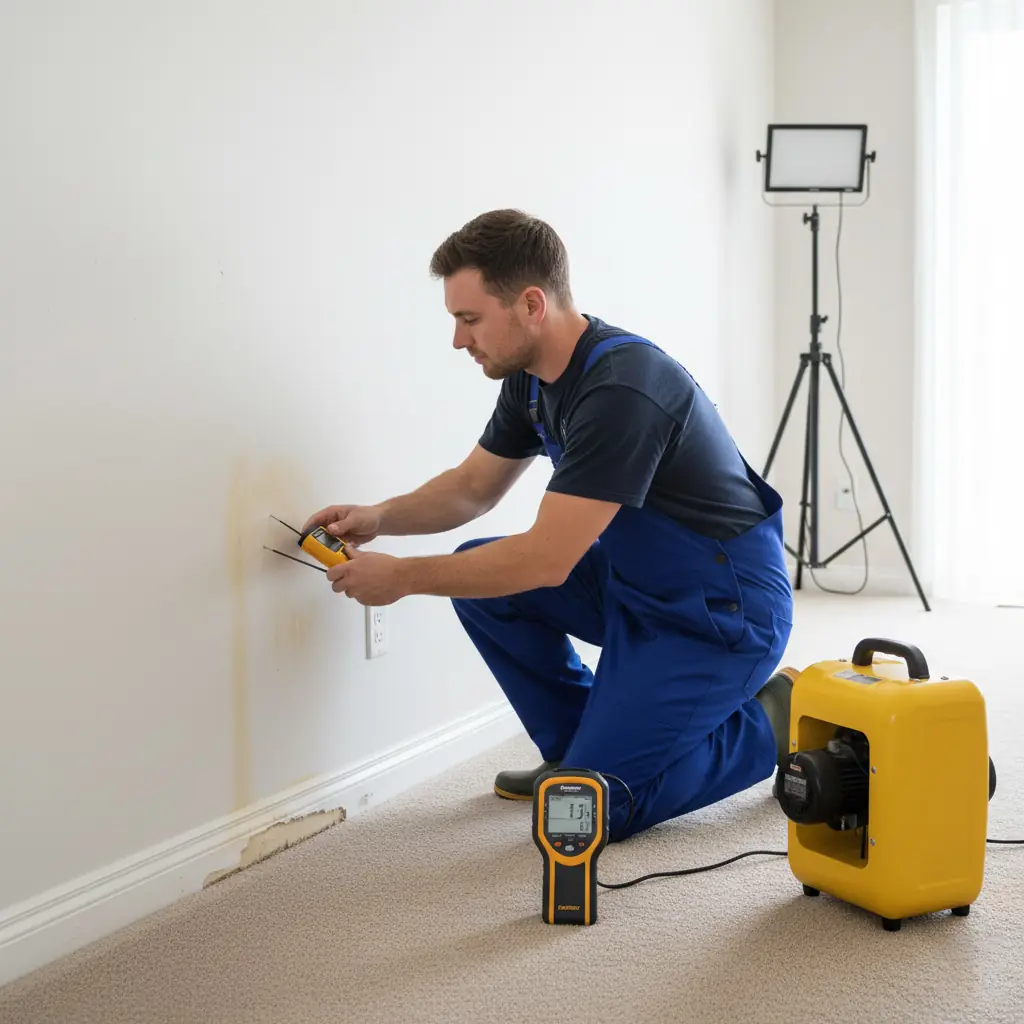
- Bubbling paint or yellowish stains creeping up walls from capillary action.
- Sagging ceilings with brown rings, signaling water pooling above.
Don't touch baseboards yet. They pop off easy when soaked, revealing worse underneath.
Hunting Hidden Water Intruders
Water loves to sneak behind drywall and into insulation. Poke gently with a screwdriver. If it sinks in like butter, you've got trouble.
- Check cabinets under sinks for damp wood or pooling water.
- Sniff for musty odors in HVAC vents or crawlspaces.
- Use a cheap moisture meter from the hardware store. Readings over 17% mean call pros now.
Skip the guesswork. Seattle's damp climate turns minor leaks into mold factories fast.
The Professional Flood Restoration Process Explained
Calling in pros isn't optional. It's your fastest ticket back to dry land. We hit the ground running the second you dial.
Step-by-Step Breakdown
Here's how we tackle it, no shortcuts.
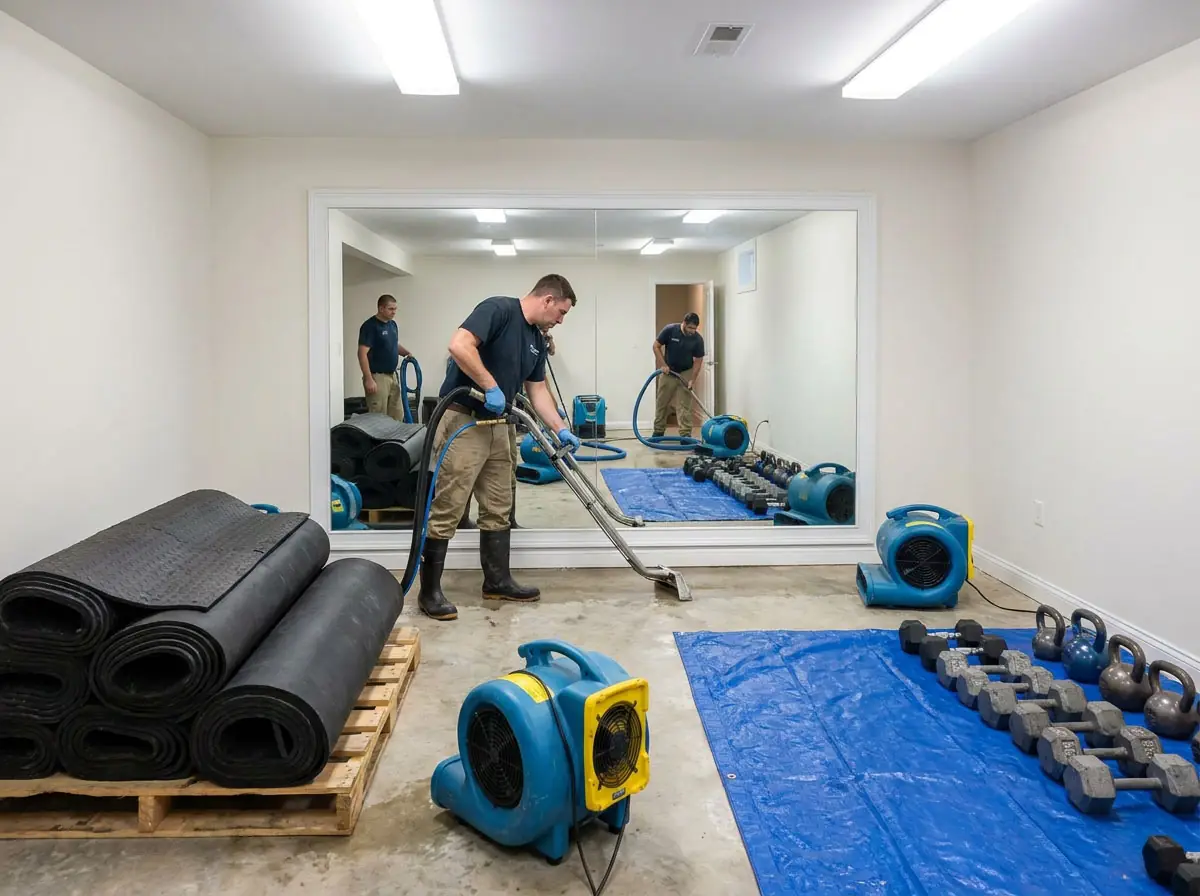
- Water Extraction: Truck-mounted pumps suck out standing water in hours, not days. No more pooling nightmares.
- Structural Drying: Industrial fans and dehumidifiers blast moisture from walls, floors, and hidden spots. We monitor with thermal cameras to nail every drop.
- Mold Inspection: Air quality tests spot sneaky growth before it spreads. Seattle's damp air loves this stuff, so we treat early.
Then comes the rebuild. Damaged drywall? Out it goes. Floors buckling? We source Seattle-tough materials for the fix.
Expect a full report at the end, plus tips to bulletproof your home against next time's deluge. Your place shines again, pronto.

Case Study: Reviving a Flooded Ballard Home After Record Rains
Picture this: November 2021. Record rains hammered Ballard, turning streets into rivers. Sarah's 1920s bungalow took a direct hit. Basement flooded six inches deep. Hardwood floors buckled. Walls soaked through.
She called us at 2 a.m. Crew arrived in 90 minutes. First job: Shut off power. Pumped out 1,500 gallons overnight. No time to waste. Mold waits for no one.
Step-by-Step Turnaround
- Day 1: Moisture meters everywhere. Pinpointed hidden water in crawlspace.
- Day 2-3: Tore out ruined drywall, insulation. Industrial fans and dehumidifiers kicked in 24/7.
- Day 4-7: Antimicrobial treatments killed bacteria. Repaired subfloors. Installed new LVP flooring.
Two weeks later? Sarah walked into a dry, fresh home. No musty smells. Insurance covered most costs after our detailed report. She hosted Thanksgiving dinner right there.
Key takeaway from Ballard: Act fast. Delays double repair bills. Pros like us spot issues amateurs miss.
Seattle-Specific Prevention Strategies for Homeowners
Seattle's endless drizzle turns into gushers fast. Homeowners here battle sloped lots, clay soil that holds water like a sponge, and century-old homes with zero flood defenses. Beat the odds with these battle-tested moves.
Fortify Your Gutters and Drains
- Clean gutters twice a year, minimum. Leaves clog 'em quick in fall rains.
- Extend downspouts at least 5 feet from your foundation. Direct water to storm drains.
- Install gutter guards to skip the hassle.
Pro tip: Check French drains yearly. Seattle's heavy clay clogs them, backing water right to your basement.
Upgrade Your Home's Defenses
- Grab a battery-backup sump pump. Power outages hit hard during storms here.
- Grade soil away from your foundation. Aim for a 6-inch drop over 10 feet.
- Seal cracks in your foundation with hydraulic cement. Water sneaks in easy on our shaky ground.
These fixes pay off big. One Seattle family slashed their flood risk by 80% after a sump pump install. Your turn.
Final Words
Floods hit Seattle hard and fast. Act now, or pay later with mold invasions and structural headaches. Your home deserves better than a slow surrender to water woes.
Grab control today. Call pros who know Seattle's wet tricks inside out. Skip the DIY disasters and dive straight into real recovery.
- Spot signs early. Every minute counts.
- Shut off water sources pronto.
- Trust Flood Damage Restoration experts for the heavy lifting.
One call flips the script from ruin to renewed. Your dry, safe home waits. Make it happen.
People Also Ask
How long does it take for flood damage to affect a Seattle home?
Flood damage can begin compromising a Seattle home within minutes, as water seeps into walls, floors, and foundations, leading to mold growth in as little as 24-48 hours. In Seattle's damp climate, humidity accelerates deterioration, making swift action essential to prevent structural issues and health hazards. Professional assessment within the first day is crucial to mitigate long-term costs.
What should I do immediately after a flood in my Seattle home?
First, ensure safety by turning off electricity and avoiding contaminated water, then contact a local Seattle flood restoration expert right away. Document the damage for insurance claims and avoid DIY cleanup to prevent spreading mold or bacteria. Our team arrives quickly to extract water and start drying processes tailored to Seattle's rainy conditions.
How much does flood damage restoration cost in Seattle, WA?
Costs in Seattle typically range from $1,500 to $10,000+, depending on the damage extent, affected areas, and water category. Factors like Seattle's frequent rains and older homes can increase expenses due to hidden moisture in crawl spaces. Get a free inspection from our Seattle specialists for an accurate, transparent quote.
Can homeowners in Seattle clean up flood damage themselves?
Minor cleanups might be feasible, but Seattle's floods often involve contaminated gray or black water, requiring professional equipment and EPA-certified methods to safely remove hazards. DIY efforts risk incomplete drying, leading to mold proliferation in our humid environment. Trust certified pros to restore your home properly and avoid health risks.
Why is Seattle prone to flooding, and how can I prevent it?
Seattle's geography, heavy seasonal rains, and aging infrastructure like combined sewer systems heighten flood risks, especially in low-lying areas like Ballard or Fremont. Install sump pumps, elevate appliances, and maintain gutters to divert water effectively. Regular inspections by local experts help identify vulnerabilities unique to Pacific Northwest homes.

Bob Bently is a fire, water, and mold cleaning specialist with over 11 years of experience serving residential and commercial buildings in Seattle, WA.
He focuses on effective restoration solutions tailored to the region's rainy climate and urban challenges.
With a strong local presence, Bob helps Seattle property owners recover quickly from water damage emergencies.
Need Water Damage?
Swift water damage restoration in Seattle, WA and nearby areas (98101, 98109, 98121, 98004, 98033), drying properties fast to minimize mold and structural loss.
Get Water Estimate