


⚡ TL;DR: Learn five key tips for mold remediation in Seattle after water damage, including stopping moisture sources, ventilating, inspecting hidden areas, cleaning safely, and preventing recurrence.
📋 What You’ll Learn
In this guide to mold remediation after water damage in Seattle, you'll uncover 5 vital tips to stop growth fast, inspect hidden risks, clean safely, and prevent recurrence in our wet climate.
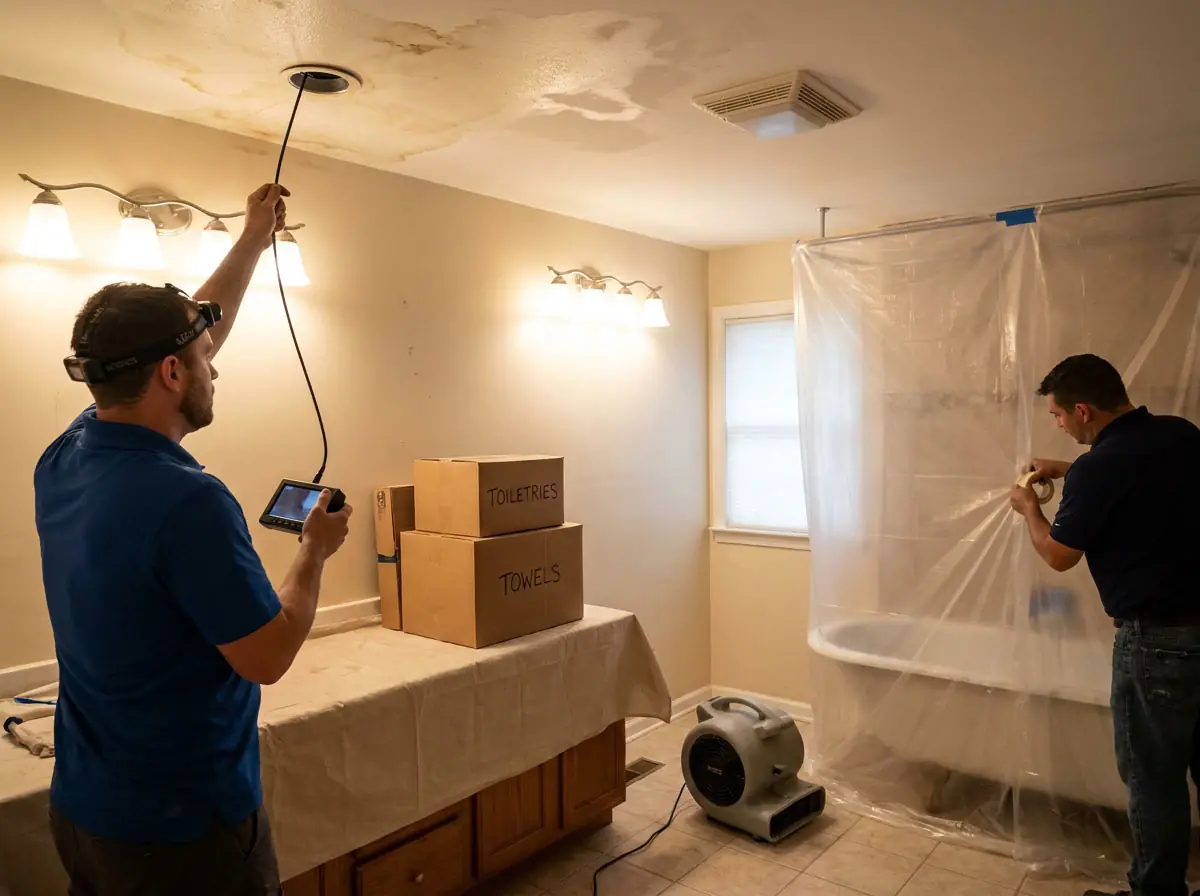
- Stop water sources and dry rapidly in Seattle's rainy climate to halt mold before it spreads, using urgent extraction and fans for quick recovery after floods or leaks.
- Ventilate and dehumidify effectively to slash humidity levels that fuel mold, deploying industrial tools suited for Seattle homes battling persistent dampness post-water intrusion.
- Inspect hidden areas like basements and crawlspaces thoroughly, spotting concealed mold growth early to avoid health hazards and structural damage in soggy Seattle properties.
- Clean and disinfect without spore spread applying containment and HEPA methods that safely remove mold during remediation, tailored for local water damage scenarios.
- Monitor long-term to prevent comeback with ongoing checks and moisture barriers, ensuring Seattle homes stay mold-free despite frequent rains and high humidity.
📖 Reading time: 7 min
✍️ Author expertise: Seattle water damage pro with 20 years remediating mold from local floods and leaks.
Ever stepped into your Seattle basement after a brutal rainstorm and caught that first whiff of something rotten?
That's mold crashing your party, turning a simple water spill into a health hazard and repair nightmare faster than you can say "black spots on the walls."
We've seen it wreck homes across the Emerald City, but you don't have to let it win yours. Let's dive into five no-nonsense tips to stop mold dead after water damage hits.
Tip 1: Stop the Water Source and Dry Fast in Seattle's Soggy Climate
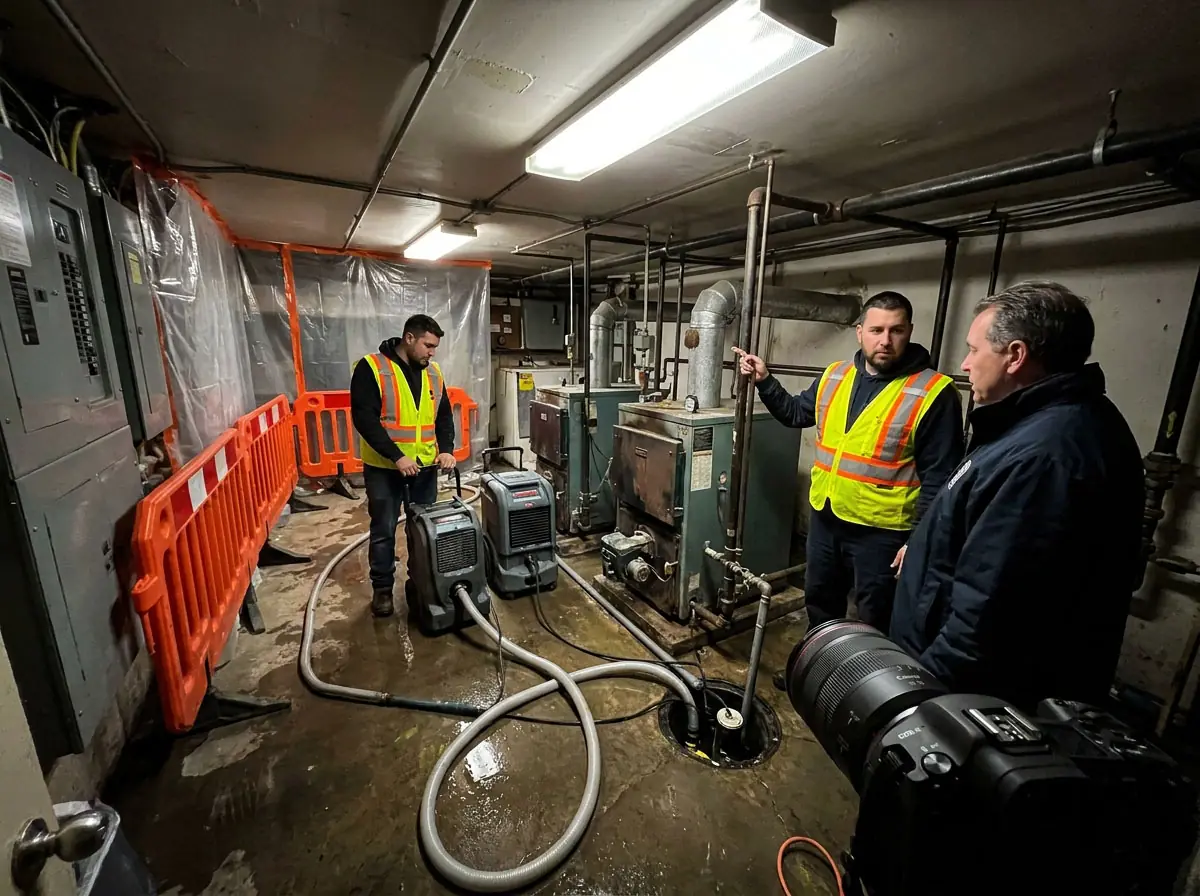
Seattle's endless drizzle turns small leaks into mold factories overnight. First move? Kill the water at its source. Shut off the main valve if pipes burst, or tarp that roof hole before the next downpour hits.
Drying speed is your best weapon here. Mold spores party in dampness, and our foggy air gives them a head start. Grab industrial fans, dehumidifiers, and open every window you can.
- Hit wet spots hard: Aim air movers directly at soaked carpets, walls, and floors.
- Empty standing water with pumps or buckets. No shortcuts.
- Check HVAC systems too. Wet ducts breed hidden nightmares.
Wait more than 48 hours? You're inviting black mold to the feast. In Seattle, pros like us dry homes in record time to dodge that bullet.
Tip 2: Ventilate and Dehumidify to Starve Mold Growth
Mold thrives on moisture. Cut off its food supply by getting air moving and sucking out the dampness. In Seattle's constant drizzle, this step hits harder than most places.
Crack windows wide. Set up box fans in doorways, blowing outward to yank wet air from your space.
Dehumidify Like a Pro
- Rent or buy a heavy-duty dehumidifier, crank it to 40% humidity or lower.
- Empty the tank every few hours, no slacking.
- Run fans alongside to circulate dry air everywhere.
Do this for at least 48-72 hours straight. Skip it, and mold parties on. Your nose will thank you later.
Tip 3: Inspect Hidden Spots Like Basements and Crawlspaces
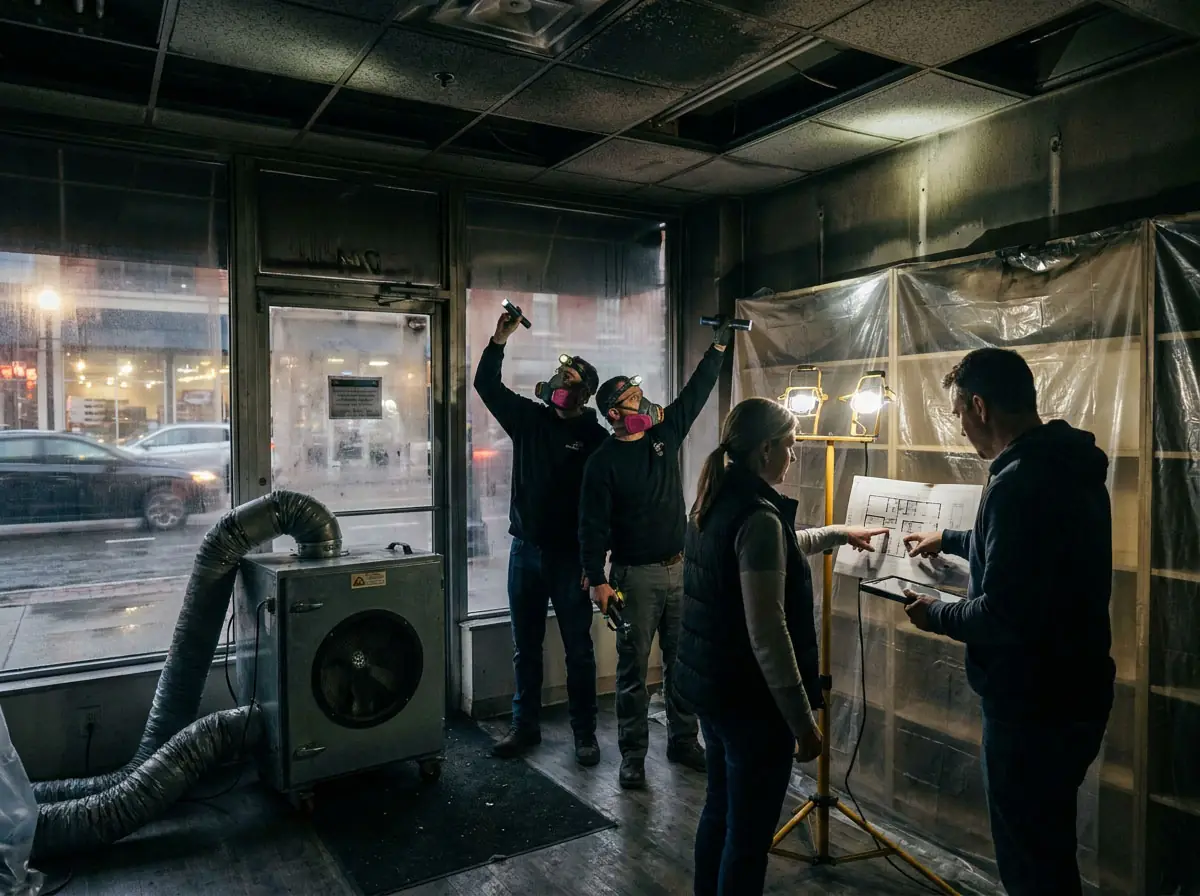
Mold doesn't announce itself with a fanfare. It sneaks into the shadows of your Seattle home, thriving in damp basements and musty crawlspaces where water damage hides.
One overlooked corner can turn your whole house into a spore factory. Skip this step, and you're fighting blind.
Grab a flashlight and mask. Check these trouble zones right away.
- Basement walls and floors: Peel back carpets or boxes for wet spots or discoloration.
- Crawlspaces: Crawl in if safe, sniff for that earthy stench, probe for soft wood.
- Behind appliances: Dryers, fridges, HVAC units love pulling in moisture unnoticed.
- Attic vents and pipes: Leaks drip down, pooling out of sight.
Spot fuzzy growth or a musty smell? Don't touch it. Call pros for mold remediation in Seattle before it spreads through your ducts.
Tip 4: Clean and Disinfect Without Spreading Spores
One wrong move here, and you're blasting mold spores all over your Seattle home like confetti at a bad party. Skip the regular vacuum or aggressive scrubbing. That just kicks up a toxic cloud you and your family breathe in.
Gear Up Right
- N95 mask or better to block those tiny invaders.
- Gloves, goggles, and disposable coveralls keep you clean.
- HEPA-filtered vacuum only. Regular ones? Mold party central.
Seal off the area with plastic sheeting and a fan blowing outward. This traps spores inside while you work.
Hit surfaces with EPA-approved mold killers like hydrogen peroxide or quaternary ammonium. Bleach? It works on non-porous stuff but skip it on drywall. Let it dwell 10 minutes, then wipe with damp cloths straight into sealed bags.
Porous items like carpet or insulation? Cut your losses and bag 'em for the dump. No salvaging when spores burrow deep. Pros handle the heavy lifting to avoid cross-contamination.
Tip 5: Monitor and Prevent Recurrence Long-Term
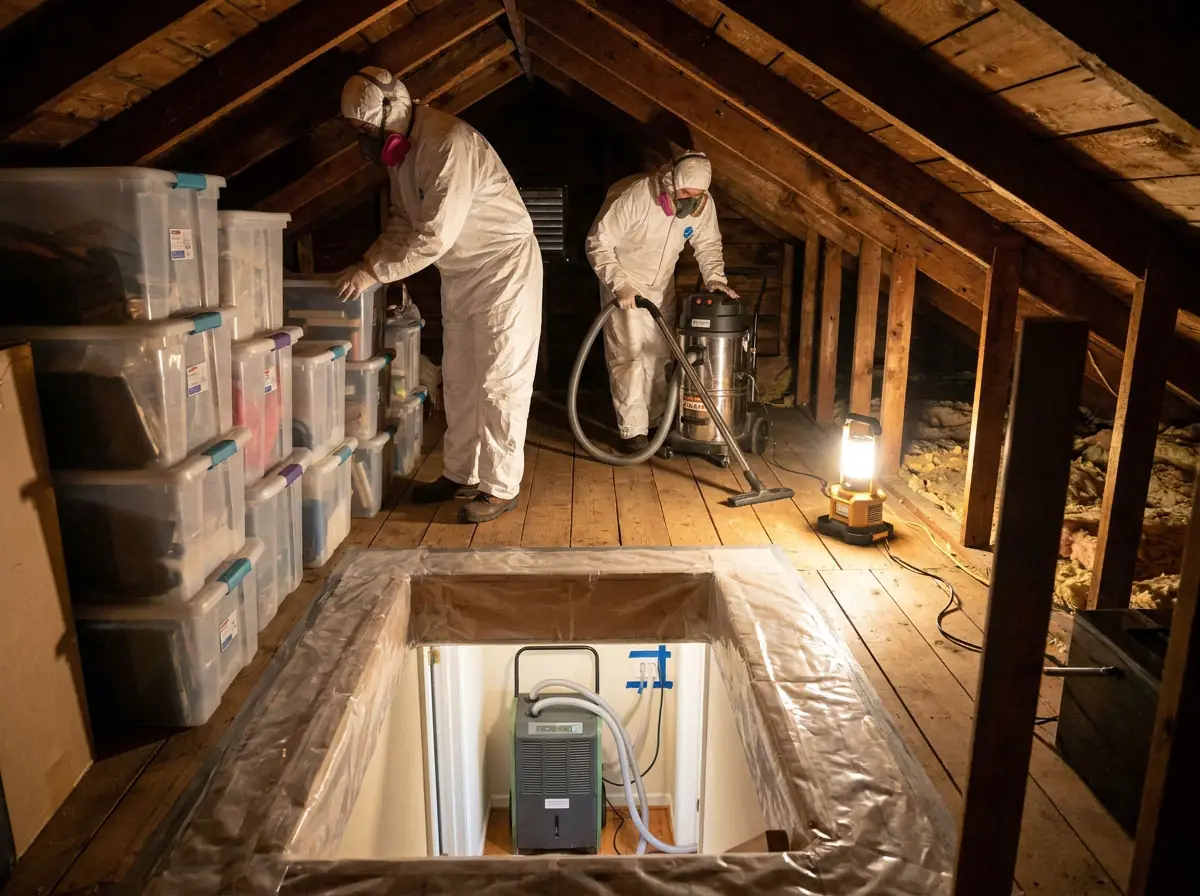
Mold loves Seattle's endless drizzle. It sneaks back if you slack off. Stay one step ahead with regular checks.
Grab a hygrometer today. Track humidity levels in basements and attics. Anything over 60%? Time to act fast.
Quick Prevention Plays
- Fix leaky roofs and pipes before they flood again.
- Run exhaust fans in bathrooms and kitchens daily.
- Seal cracks in foundations with caulk. Rain finds every gap.
- Schedule pro inspections twice a year. Our team spots trouble early.
One client ignored a small drip. Mold returned in months, costing thousands. Don't repeat that mistake. Make monitoring your new habit.
Case Study: Rescuing a Rain-Soaked Fremont Bungalow from Mold Disaster
Picture this: a cozy 1920s bungalow in Fremont, battered by Seattle's relentless downpour. Water poured through a cracked foundation after a storm, soaking walls and floors. The owners spotted black mold creeping up the basement stairs just days later.
We jumped in fast. First, we killed the water source - sealed the foundation crack and yanked out saturated drywall. Then came industrial fans and dehumidifiers to suck moisture from the air, starving any mold before it spread.
Hidden Heroes: Crawlspace Cleanup
- Inspected the dark crawlspace under the house - jackpot, mold city down there.
- HEPA-vacuumed spores without stirring them up.
- Applied EPA-approved disinfectants to every inch.
Two weeks later? No musty smells. Air quality tests came back clean. The family moved back in, bungalow saved from the wrecking ball.
Proof these tips work in real Seattle homes. One call to us, and your disaster flips to victory.
Final Words
Mold waits for no one in Seattle's endless drizzle. Hit these five tips hard and fast after water damage strikes. Your home stays dry, your family safe.
But if black spots spread or that musty smell lingers? Call in the pros right away. Skip the DIY headaches.
- We've tackled mold in Capitol Hill condos and Ballard basements.
- Our crew dries, remediates, and prevents comebacks.
- Check our Mold Remediation services for the full scoop.
Act today. Beat mold before it beats you.
People Also Ask
How soon does mold start growing after water damage in Seattle?
Mold can begin growing within 24-48 hours after water damage, especially in Seattle's humid climate where moisture lingers. High humidity and poor ventilation accelerate this process, turning minor leaks into major infestations quickly. Acting fast with drying and dehumidification is crucial to prevent spore proliferation.
Can I remove mold myself after water damage?
DIY mold removal is risky for small, surface-level issues but not recommended for extensive water damage due to spore spread and health hazards. In Seattle's damp environment, incomplete cleaning often leads to recurrence. Hire certified professionals for safe, thorough remediation using HEPA vacuums and antimicrobial treatments.
What are the first signs of mold after water damage in Seattle homes?
Look for musty odors, discolored walls or ceilings, and visible black or green spots within days of water exposure. Seattle's frequent rain exacerbates hidden growth in basements and attics. Early detection through inspection prevents structural damage and health issues like respiratory problems.
How much does mold remediation cost after water damage in Seattle?
Costs typically range from $500 to $6,000, depending on the affected area's size and damage extent in Seattle's variable climate. Factors like accessibility in crawlspaces and required containment add to expenses. Get a free inspection from local experts to assess and quote accurately without surprises.
How can I prevent mold recurrence after water damage remediation?
Install dehumidifiers, improve ventilation, and fix leaks promptly to combat Seattle's soggy weather. Regular inspections of vulnerable areas like basements ensure early detection. Partner with a local mold remediation service for ongoing monitoring and preventive treatments.

Bob Bently is a fire, water, and mold cleaning specialist with over 11 years of experience serving residential and commercial buildings in Seattle, WA. He focuses on effective restoration solutions tailored to the Pacific Northwest's unique climate challenges. Bob's local knowledge helps Seattle property owners recover quickly from water damage emergencies.
Need Water Damage?
Swift water damage restoration in Seattle, WA and nearby areas (98101, 98109, 98121, 98004, 98033), drying properties fast to minimize mold and structural loss.
Get Water Estimate