
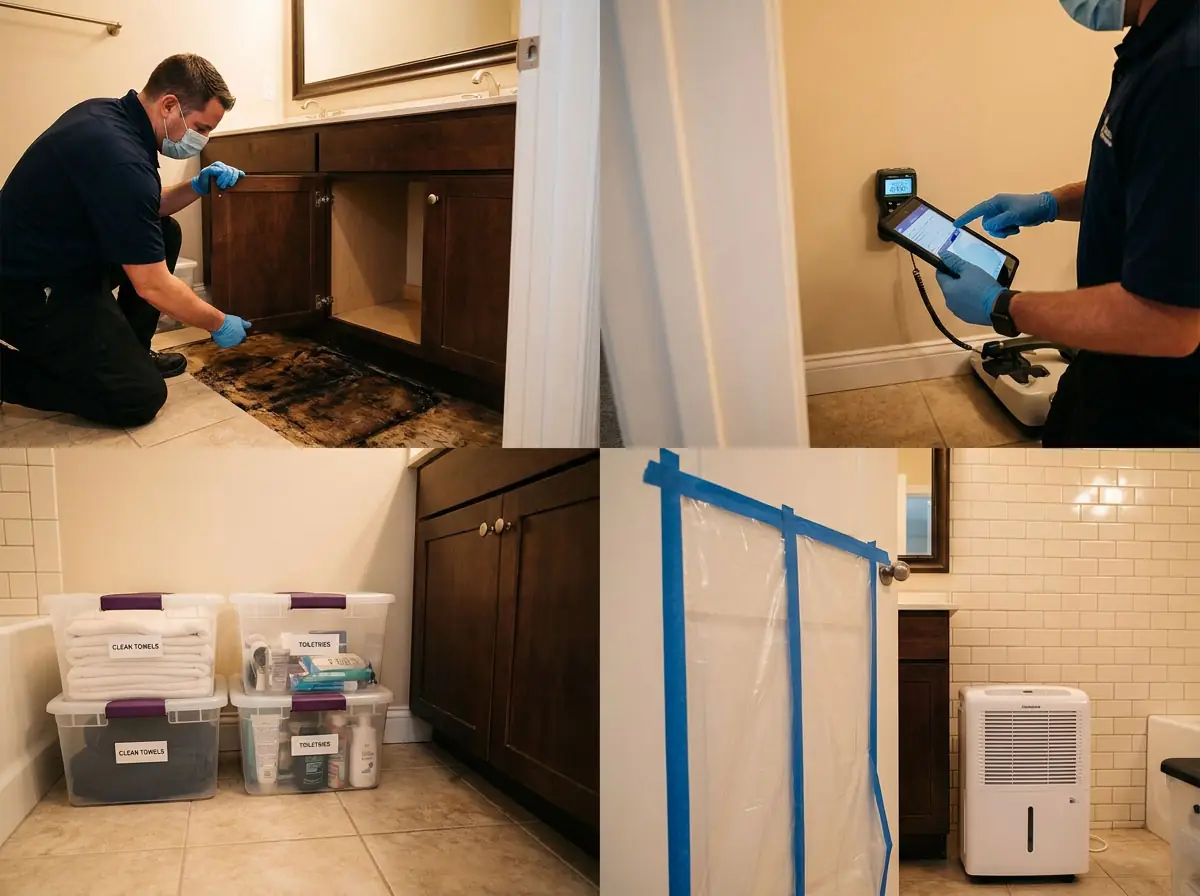


⚡ TL;DR: Learn safe soot removal methods for Seattle homes to prevent spreading residue, featuring tools, step-by-step guides, safety tips, and when to call professionals.
📋 What You’ll Learn
In this Seattle soot removal guide, you’ll master safe cleanup techniques that prevent spreading residue, tackle tricky challenges from damp weather, and learn when pros deliver the best results.
- Uncover why soot defies DIY in Seattle due to its oily particles clinging in humid air, causing spread, health hazards, and hidden damage that amateurs often worsen.
- Assemble must-have tools for safe removal like chemical sponges, HEPA vacuums, plastic sheeting, and sealants to capture soot without airborne redistribution in your home.
- Master step-by-step cleaning for key surfaces from walls and ceilings to floors, using dry brushing first then gentle cleaners for thorough, streak-free restoration.
- Apply pro tips for fabrics and electronics plus vital safety protocols in damp season, with a Capitol Hill case study showing real recovery success.
📖 Reading time: 7 min
✍️ Author expertise: Seattle water damage expert with 12 years of field soot cleanup experience.
Imagine scrubbing that black, greasy soot off your Seattle kitchen walls, only to watch it smear everywhere like a bad tattoo.
Your heart sinks as the mess spreads faster than Seattle rain on a windshield, turning a simple cleanup into a full-blown disaster.
We've seen it too many times: homeowners making things worse without the right know-how.
Discover the foolproof steps to erase soot safely from your home, no spreading required.
What Makes Soot So Tricky in Seattle Homes (And Why DIY Often Fails)
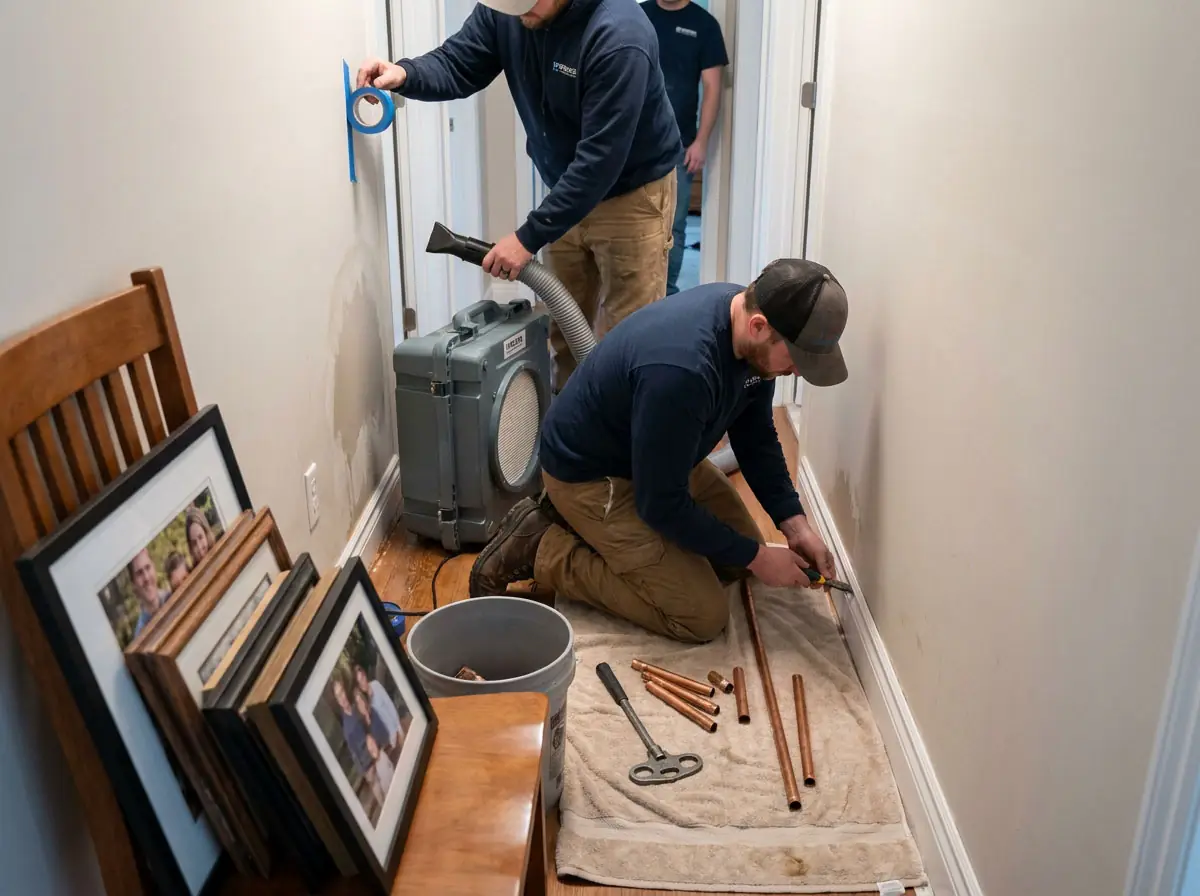
Soot isn't just dirt. It's microscopic particles from smoke, loaded with oils and chemicals that cling like glue to your walls and ceilings.
In Seattle's damp air, it grabs moisture fast. That turns it into a sticky paste that smears with the slightest wipe.
Why Your Home Setup Makes It Worse
Our rainy climate keeps humidity high year-round. Soot soaks it up, making removal a nightmare without drying it first.
- Porous surfaces like drywall suck it deep inside.
- Seattle's older homes in areas like Capitol Hill have textured walls that trap it forever.
- Grease fires from kitchen mishaps leave extra oily residue that water alone spreads.
DIY fails hard because most folks grab wet sponges or harsh cleaners. They push soot deeper or grind it in.
No containment means particles float into the air. You breathe them, and they settle elsewhere.
Skip the right tools? Your cleanup turns a small fire spot into a house-wide stain fest.
Essential Tools and Supplies for Safe, No-Spread Soot Removal
Soot sticks like glue. It turns powdery fast if you touch it wrong. Grab the right gear first, or kiss your walls goodbye.
Your Must-Have Kit
- Chemical sponges: These bad boys lift soot without water or chemicals. Dry-clean magic for walls and ceilings.
- HEPA vacuum with brush attachment: Sucks up fine particles. No regular shop vac – it blasts soot everywhere.
- Plastic sheeting and painter's tape: Seal off rooms. Block that greasy spread from your Seattle damp air.
Don't skip PPE. Gloves, N95 masks, goggles. Soot's loaded with toxins – breathe it, regret it. Add buckets with trisodium phosphate (TSP) solution for wet cleaning later stages.
Pro move: Microfiber cloths over paper towels. They trap residue. Test everything on a hidden spot first.
Step-by-Step Guide: Removing Soot from Walls, Ceilings, and Floors
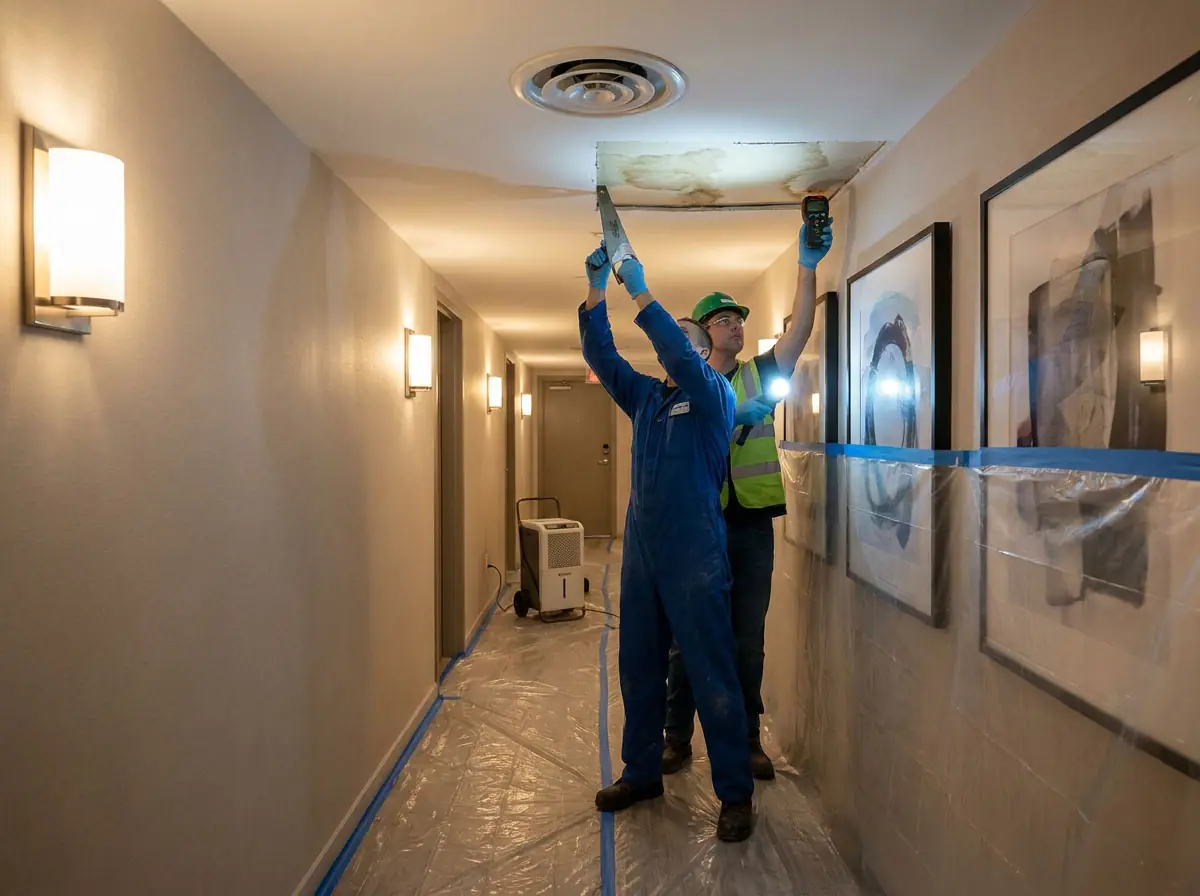
Grab your chemical soot sponges and HEPA vacuum first. These tools capture soot particles without kicking them back into the air. Skip water at the start, or you'll create a muddy nightmare.
Walls: The Easy Win
Start low and work up. Vacuum loose soot with short, gentle strokes.
- Glide the dry chemical sponge over the surface in straight lines. No rubbing, just light pressure.
- Switch sponges when they turn black. Rinse the wall with a mild detergent mix only after soot lifts.
- Dry immediately with fans to dodge Seattle's humidity trap.
Ceilings: Don't Let It Rain Down
Protect floors below with plastic sheeting taped tight. Use a ladder with a spotter for safety.
- HEPA vac attachments suck up the bulk from below.
- Employ extension poles on soot sponges for reach without climbing chaos.
- Wipe residue with a barely damp cloth, then dry fast.
Floors: Seal the Deal
Hit hard surfaces like tile or wood last. Vacuum thoroughly in overlapping passes.
Scrub with a stiff brush and trisodium phosphate solution. Rinse and dry to prevent warping in our wet climate.
Pro Tips for Tackling Soot on Delicate Surfaces Like Fabrics and Electronics
Soot clings to fabrics and electronics like a bad habit. Water? Forget it. That turns residue into a sticky nightmare.
Fabrics That Fight Back
Start with a soft brush to lift loose particles. Never rub. Let gravity do the work.
- Vacuum with a brush attachment on low suction. Hold it at an angle.
- Sprinkle cornstarch or baking soda to absorb grease. Wait 15 minutes, then vacuum again.
- Bag up curtains or upholstery for dry cleaning pros. They handle the hidden grime.
Electronics: No Liquids Allowed
Power down and unplug everything first. Dust sticks to circuits like glue. One wrong move fries your gear.
Grab compressed air in short bursts. Wipe screens with a microfiber cloth barely dampened with distilled water. For keyboards or vents, pros use specialized vacuums to suck out the danger without shock risk.
Safety First: Protecting Your Health During Seattle's Damp Cleanup Season
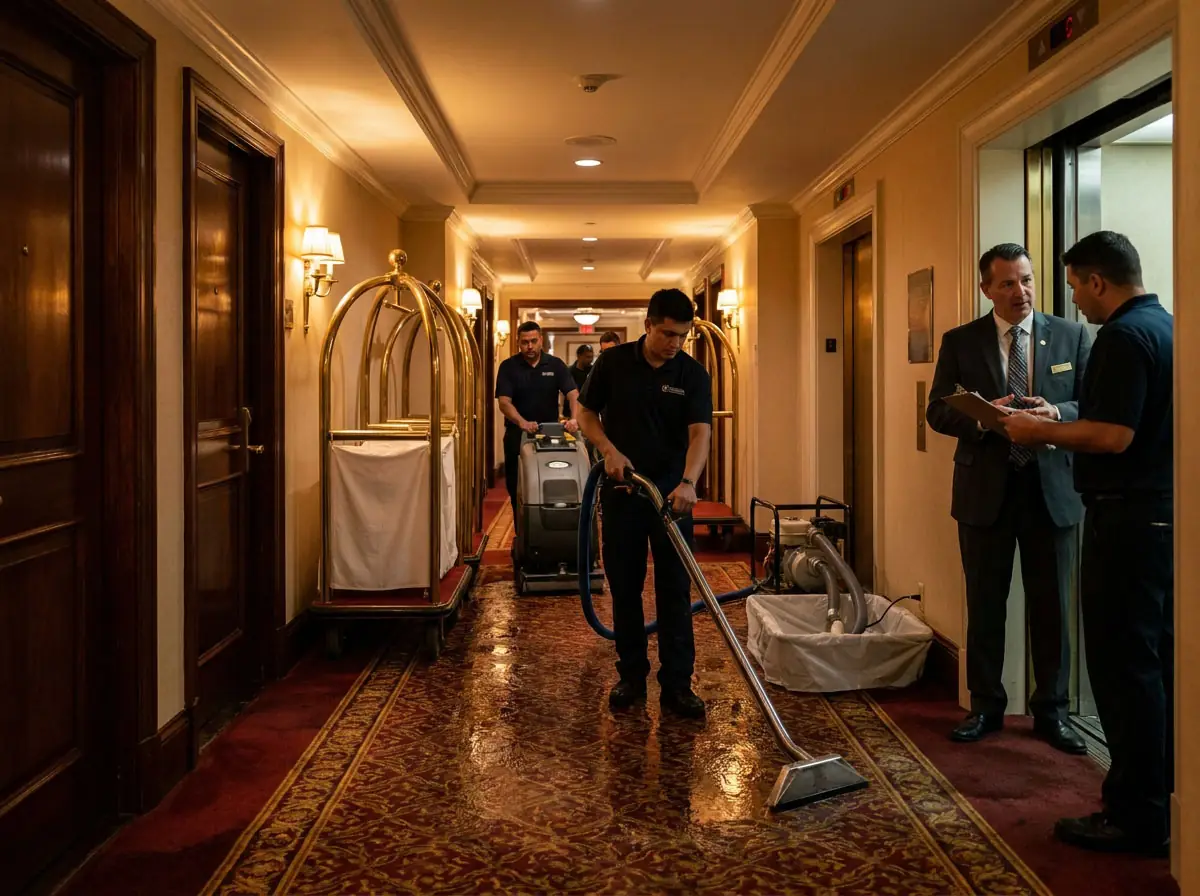
Soot isn't just ugly. It's packed with carcinogens and irritants that can wreck your lungs and skin on contact. In Seattle's soggy air, one wrong move mixes it with moisture, breeding mold that hits even harder.
Gear That Keeps You Breathing Easy
- N95 respirator or better: Traps tiny particles before they invade your airways.
- Nitrile gloves: Block skin absorption of oily toxins.
- Goggles: Shield eyes from gritty fallout.
- Disposable coveralls: No taking grime home on your clothes.
Skip the cheap stuff. It fails when soot dust kicks up.
Crack windows wide. Run exhaust fans. Tackle cleanup on drier days if you can. That damp Seattle mist turns soot slurry into a breathing hazard fast, so dry surfaces first with fans or dehumidifiers.
Work in short bursts. Take breaks outside. If anyone in the house has asthma or allergies, get them out entirely.
Case Study: Reviving a Capitol Hill Home After a Grease Fire Disaster
A Capitol Hill couple left a pan sizzling on the stove during a busy dinner rush. Flames shot up, black smoke billowed, coating everything in thick, greasy soot. By the time firefighters doused it, their cozy kitchen looked like a crime scene.
They grabbed sponges and bleach right away. Big mistake. Soot smeared across counters, walls turned streaky gray, and the stench dug deeper into cabinets. Panic set in as the mess spread like wildfire.
What We Did to Turn It Around
- First, sealed off the area with plastic sheeting to stop soot particles from drifting to bedrooms.
- Captured residue dry with specialized vacuums – no water to avoid pushing grime into porous surfaces.
- Applied chemical sponges on walls and ceilings, lifting soot without smearing. Walls gleamed white again in hours.
- Treated fabrics and upholstery with enzyme cleaners; electronics got compressed air blasts then pro wiping.
Two days later, the home smelled fresh. No health complaints from lingering particles. They hosted a barbecue that weekend – proof positive that quick pro action beats endless DIY scrubbing.
Final Words: When to Call Seattle Pros for Lasting Results
Soot cleanup hits a wall fast when the fire was big, or the stuff's caked deep into porous surfaces. You might think you've got it, but hidden residues keep stinking up the place or sparking health woes down the line.
Call in Seattle pros right away if smoke damage covers more than a few rooms, or if you've got valuables like antiques or HVAC systems involved. Don't gamble on permanent stains or mold from our wet climate sneaking in.
Dead Giveaways It's Pro Time
- Greasy residue won't budge after two tries.
- Strange odors linger post-cleanup.
- You're dealing with upstairs units or hard-to-reach spots.
- Anyone in the house has respiratory issues.
Our crew uses industrial-grade gear and EPA-approved methods to wipe soot clean for good. Check our Soot Removal page for the full lineup, or hit us up today. You deserve a home that smells like victory, not smoke.
People Also Ask
How do you remove soot from walls without spreading it?
Soot particles are microscopic and easily airborne, so start by sealing off the area with plastic sheeting and using a HEPA vacuum to capture residue without redistributing it. Apply a dry cleaning sponge in gentle, downward strokes to lift soot from walls, followed by a mild detergent solution if needed, always wiping in one direction. In Seattle's humid climate, professionals recommend this method to prevent soot from embedding deeper into porous surfaces.
Is it safe to clean soot myself after a fire in Seattle?
DIY soot removal can be risky due to toxic residues from smoke, which may cause respiratory issues, especially in damp Seattle homes where mold can follow. Wear an N95 mask, gloves, and eye protection, and avoid wet cleaning methods that spread soot. For extensive damage, call Seattle fire restoration experts to ensure safe, thorough cleanup without health hazards.
What is the best cleaner for soot removal on ceilings?
Use a specialized dry cleaning sponge or soot eraser for ceilings, as wet methods can cause soot to smear and drip. Gently dab and lift residue without rubbing, then follow with a vacuum equipped with a brush attachment. In Seattle's rainy season, pros use chemical sponges to avoid moisture that could lead to further damage like bubbling paint.
Can soot damage electronics if not removed properly?
Soot conducts electricity and corrodes circuits, potentially shorting out electronics even after a fire. Power off and unplug devices, then use compressed air and microfiber cloths to gently remove residue without liquids. Seattle restoration services often recommend professional cleaning for delicate items to prevent costly failures.
Why does Seattle's climate make soot removal more challenging?
High humidity in Seattle causes soot to mix with moisture, creating acidic residue that etches surfaces and promotes mold growth. Quick, dry removal methods are essential to avoid permanent stains on walls and fabrics. Local experts use dehumidifiers during cleanup to combat the damp conditions unique to the Pacific Northwest.

Bob Bently is a Fire/Water/Mold cleaning specialist with over 11 years of experience in residential and commercial buildings throughout Seattle, WA.
He focuses on water damage restoration, leveraging his expertise to address the unique challenges posed by the Pacific Northwest's wet climate.
Bob serves Seattle's local community, helping property owners protect and restore their spaces efficiently.
Need Water Damage?
Swift water damage restoration in Seattle, WA and nearby areas (98101, 98109, 98121, 98004, 98033), drying properties fast to minimize mold and structural loss.
Get Water Estimate