

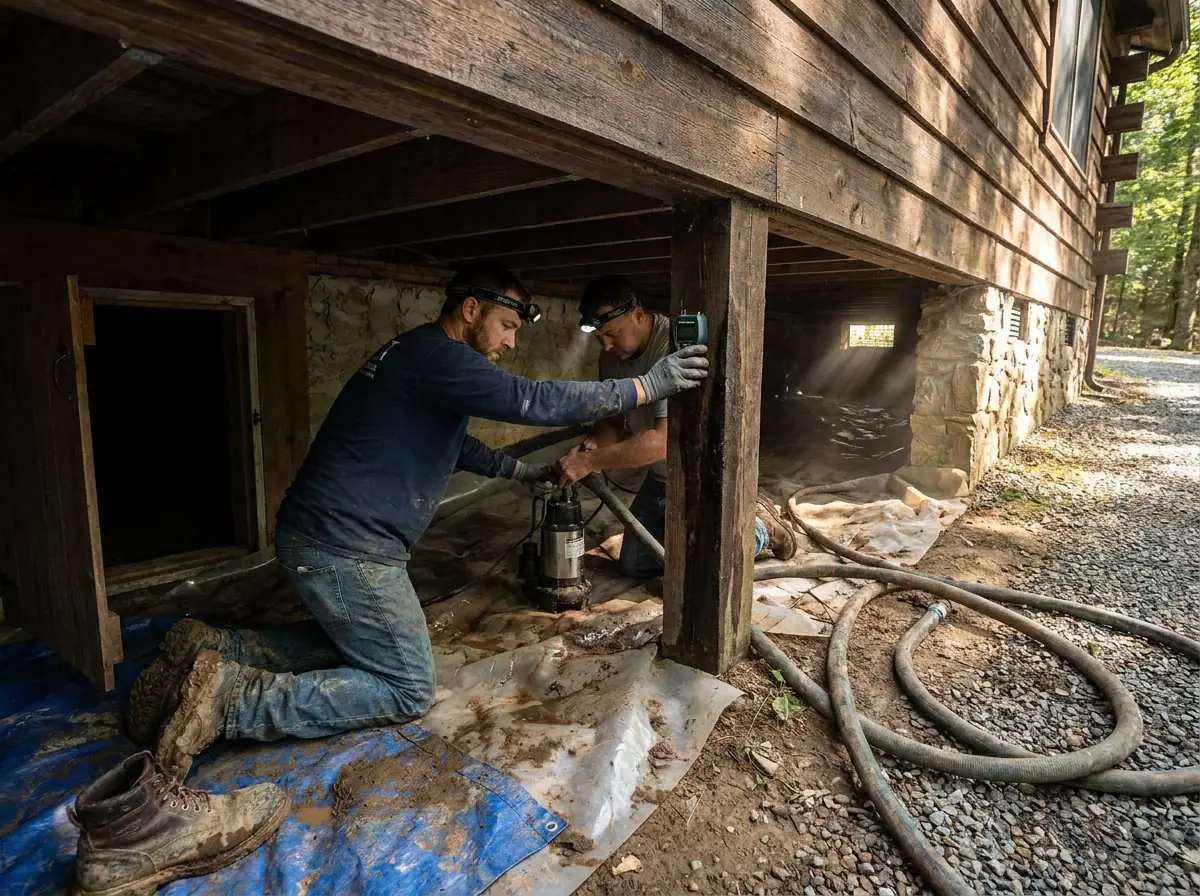


⚡ TL;DR: This guide teaches Seattle homeowners smoke odor removal basics, from science and first steps to professional techniques that tackle humid conditions for permanent results.
📋 What You’ll Learn
In this Seattle smoke odor removal guide, you’ll uncover why smells persist in local homes, the science behind damage, proven steps, pro techniques, and tips to beat rainy climate challenges for lasting freshness.
- Uncover why smoke odors linger in Seattle homes and learn why DIY fixes like scrubbing or masking sprays fail against embedded particles, soot, and HVAC-trapped residues.
- Grasp the science of smoke damage from tiny particles and soot to volatile compounds that infiltrate walls, fabrics, ducts, and furniture for long-term odor persistence.
- Master first steps for odor control including sealing areas, ventilating safely, assessing damage scope, and prepping for pros to halt spread and speed recovery.
- Discover pro tools for permanent removal like ozone machines, hydroxyl generators, thermal fogging, and deep carbon cleaning tailored to eliminate odors without return.
- Overcome Seattle’s humid challenges with strategies for rainy weather impacts, plus a Bellevue condo case study showing full restoration success in tough conditions.
📖 Reading time: 7 min
✍️ Author expertise: Seattle water damage pro with 15 years of hands-on smoke odor removal from local fire sites.
That stubborn smoke stench hits you like a freight train the second you open your Seattle door—weeks after the fire's out, it's still there, soaking into your couch, your clothes, your sanity.
Rainy days trap it worse, turning your home into a hazy nightmare no Febreze or fans can fix.
We've cracked the code on smoke odor removal in Seattle that kills it dead, permanently—keep reading to grab our battle-tested steps.
Why Smoke Odors Linger in Seattle Homes (And Why DIY Fixes Fail)
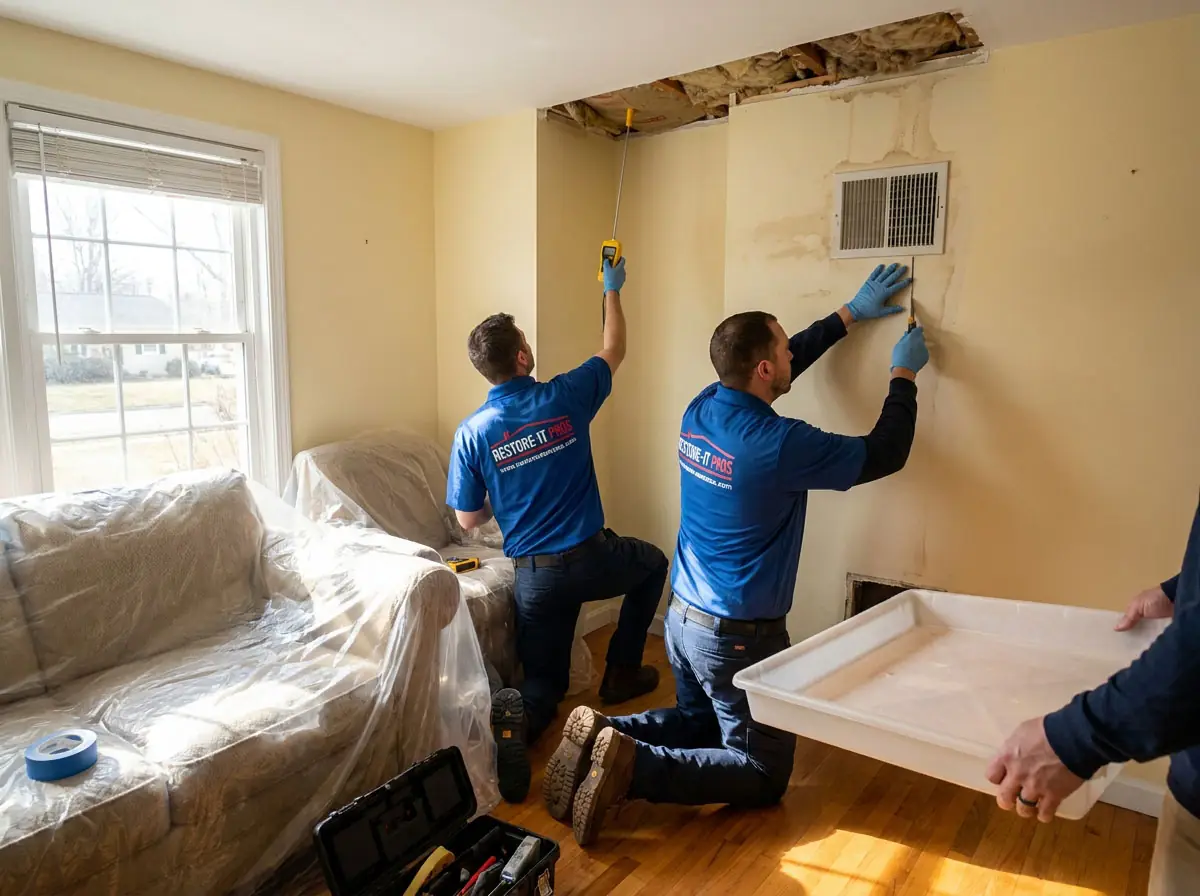
Smoke doesn't just vanish after a fire. Tiny particles called PM2.5 burrow deep into your porous stuff—think carpets, drywall, upholstery. They stick like glue, releasing that nasty smell for months.
Seattle's endless rain and high humidity crank up the problem. Moisture locks those particles in place, turning your home into a smoke trap. Fans? They just stir it around.
DIY Traps That Backfire
- Air fresheners mask the stench but never kill the source—odor bounces back stronger.
- Vinegar wipes or baking soda? They hit surfaces only, ignoring the hidden crud inside walls and vents.
- Ozone generators sound fancy, but they wreck fabrics and leave toxic leftovers if you botch it.
Bottom line: Home hacks waste your time and cash. Pros dig deeper for real results.
The Science of Smoke Damage: Particles, Soot, and Volatile Compounds
Smoke hits your home with tiny particles no bigger than 2.5 microns. These specks burrow into fabrics, drywall, and HVAC ducts. Your nose picks up their oily residue long after the flames die.
Why Particles Stick Around
- They're coated in tars and resins that bond to surfaces.
- Regular cleaning wipes the top layer, but misses the deep embed.
- In Seattle's damp air, they swell and trap odors tighter.
Soot piles on next. This carbon sludge from burning stuff clings to everything with electrostatic charge.
Volatile compounds are the real ghosts. These gases like benzene and formaldehyde evaporate slowly, seeping from hidden cracks over months.
DIY sprays mask them briefly. Pros hit them with oxidizers that break molecular bonds for good.

Essential First Steps for Smoke Odor Removal in Your Home
Hit the ground running. Open every window and door right away. Crank fans to suck that foul air out before it digs in deeper.
Grab trash bags next. Toss out anything porous soaked through like cushions, carpets, or curtains. These suckers trap smoke particles forever if you let them stay.
Quick Clean-Up Checklist
- Wipe hard surfaces with a vinegar-water mix. Skip harsh chemicals that push odors around.
- Vacuum with a HEPA filter only. Regular ones spread soot like confetti.
- Launder clothes and fabrics in hot water, twice if needed. Add baking soda for extra punch.
Stop there. DIY sprays just mask the stink, letting it creep back stronger. These moves buy time, but call pros to nuke it for good.
Professional Tools and Techniques for Permanent Elimination
DIY sprays and fans? They scratch the surface. Pros like us hit smoke odor at the molecular level with gear you won't find at Home Depot.
The Heavy Hitters: Our Go-To Tools
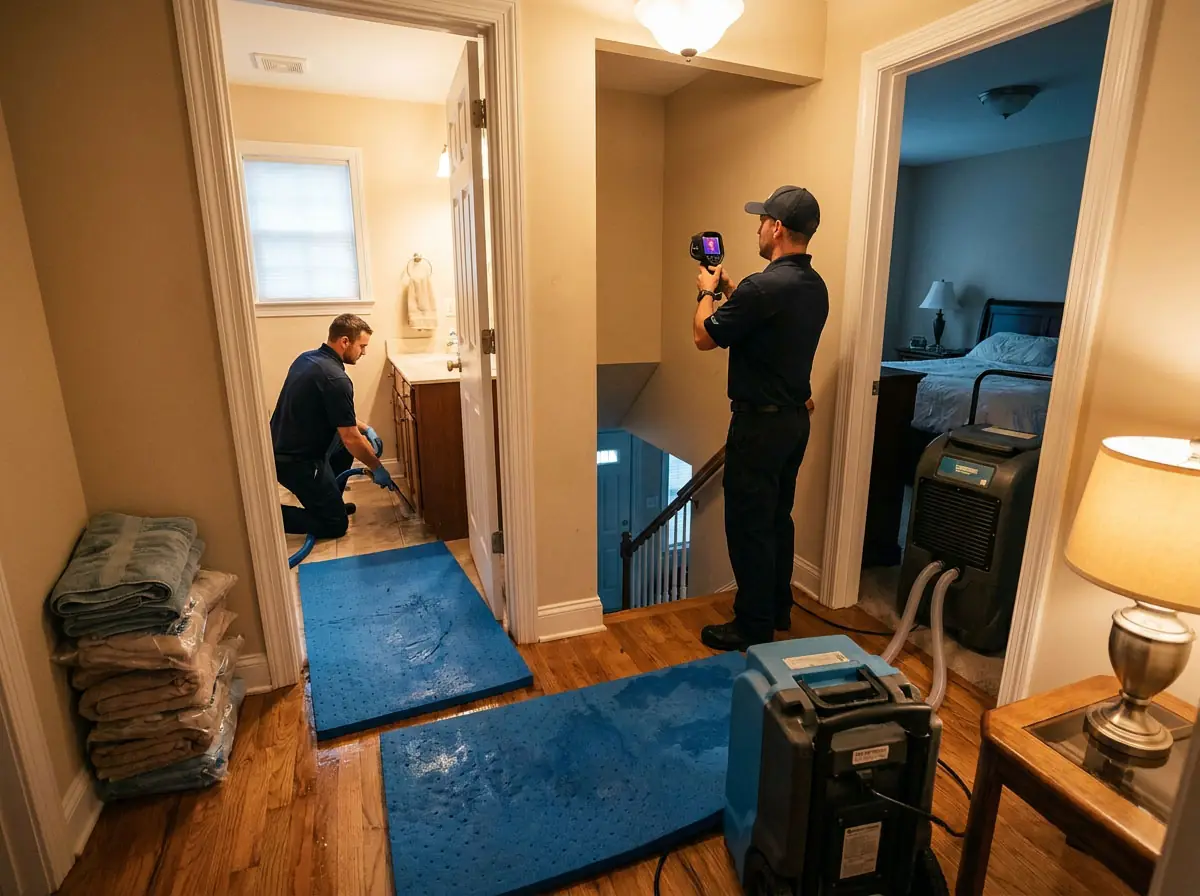
- Hydroxyl generators: These beasts produce OH radicals that hunt down volatile organic compounds (VOCs) hiding in fabrics and walls. No harmful byproducts, safe for Seattle pets and kids.
- HEPA air scrubbers with carbon filters: Suck up microscopic soot particles and trap odors like a black hole.
- Thermal foggers: Fine mist penetrates cracks, closets, even HVAC ducts, mimicking smoke to neutralize it from the inside out.
Soda blasting strips soot off beams and studs without water damage. Then we seal porous surfaces with odor-blocking primers. This combo locks out residue for good.
One pass isn't enough. We layer treatments: fog, scrub, seal, repeat. In rainy Seattle, we finish with dehumidifiers to prevent moisture from reviving trapped smells.
Seattle-Specific Challenges: Tackling Smoke Odor in Humid, Rainy Conditions
Seattle's endless drizzle and high humidity turn smoke odors into a beast that just won't quit. Moisture in the air glues soot particles to every surface, making them impossible to wipe away. Your home's poor ventilation during those gray weeks? It locks the stink in tight.
Why Rainy Weather Makes It Worse
- Smoke residues mix with damp air, creating sticky films on walls and fabrics.
- High humidity slows evaporation, so odors ferment instead of fading.
- Condensation in attics and basements breeds mold that amps up the nasty smell.
Fight back with dehumidifiers cranked to max right after the fire. Seal windows during cleanup to block rainy infiltration. Pros hit it harder: ozone generators paired with HEPA filtration cut through the wet cling like a hot knife.
Skip the fans on rainy days. They just spread the mess. Call in thermal fogging instead. It blasts odor-eaters into cracks where Seattle's moisture hides the smoke demons.
Case Study: Permanent Smoke Odor Removal in a Bellevue Condo Fire
A small kitchen grease fire in a Bellevue high-rise condo left the place reeking. The owner aired it out for days. Nothing worked. Smoke had baked into the walls, carpets, and HVAC system.
The Damage Hit Hard
Black soot coated everything. The rainy Seattle weather kept humidity high, locking odors in tight. DIY sprays just masked the smell temporarily.
We arrived fast. Tested air quality first. Found volatile organic compounds at 10x normal levels.
Our Step-by-Step Fix
- Ozone generators ran 48 hours to neutralize particles deep in fabrics.
- HEPA vacuums scrubbed soot from surfaces and ducts.
- Enzyme treatments broke down odor molecules on porous stuff like drywall.
- Finally, hydroxyl machines finished it off for good.
Six months later, the owner reports zero smoke smell. Even with windows open on muggy days. Air tests confirm it's clean.
Final Words: Reclaim Your Fresh Seattle Air Today.
Smoke odors do not stand a chance against the right attack plan. You've seen the science, the pitfalls of half-measures, and real results from pros who handle Seattle's wet weather daily. Your home deserves air that smells like clean rain, not charred regret.
Grab control now. Skip the endless fans and sprays. Call our team today for a no-obligation inspection that uncovers hidden smoke pockets.
- Fast response, even on rainy nights.
- Guaranteed permanent results or we keep working.
- Peace of mind with insurance billing handled.
Head over to our Smoke Odor Removal page for details and quotes. Breathe easy in Seattle again. Your fresh start waits.
People Also Ask
How do you permanently remove smoke odor from a house in Seattle?
Professional smoke odor removal in Seattle uses advanced techniques like ozone treatment, thermal fogging, and HEPA filtration to neutralize particles deep within walls, furniture, and HVAC systems. DIY methods often fail because they don't address microscopic soot and volatile organic compounds (VOCs) that linger. Contact a local expert for a thorough inspection and customized plan to ensure the smell is gone for good.
Why does smoke smell linger longer in Seattle homes?
Seattle's high humidity and frequent rain trap smoke particles and odors in porous materials like drywall and upholstery, making them harder to eliminate. The cool, damp climate slows evaporation and promotes mold growth alongside odors if not treated promptly. Professionals use dehumidifiers and specialized sealants tailored to our Pacific Northwest conditions for permanent results.
Can vinegar or baking soda remove smoke odor permanently?
Vinegar and baking soda can absorb some surface odors temporarily but fail against embedded smoke residues in Seattle's humid environment. They don't penetrate deep into materials or neutralize VOCs effectively, leading to odors returning quickly. For lasting removal, rely on pro-grade hydroxyl generators and antimicrobial treatments from certified Seattle restoration services.
How much does smoke odor removal cost in Seattle?
Costs for smoke odor removal in Seattle typically range from $1,500 to $5,000, depending on the damage extent, home size, and affected areas like HVAC systems. Factors like our rainy climate may increase complexity, requiring extra drying and sealing. Get a free estimate from a local specialist to understand your specific needs and avoid ongoing issues.
How long does it take to remove smoke smell after a fire in Seattle?
Professional smoke odor removal in Seattle can take 3-7 days, including assessment, cleaning, fogging, and air scrubbing for permanent elimination. Delays occur in humid conditions where materials hold moisture and odors longer. Quick action with experts ensures faster recovery and prevents secondary damage like mold.
Bob Bently is a fire, water, and mold cleaning specialist with over 11 years of experience serving residential and commercial buildings in Seattle, WA. He focuses on effective restoration solutions tailored to the Pacific Northwest's unique climate challenges. Based in Seattle, Bob helps local property owners address water damage and mold issues promptly.
Need Water Damage?
Swift water damage restoration in Seattle, WA and nearby areas (98101, 98109, 98121, 98004, 98033), drying properties fast to minimize mold and structural loss.
Get Water Estimate