


⚡ TL;DR: Learn effective Smoke Damage Restoration in Seattle, covering fire types, spread prevention, pro assessments, cleaning techniques, HVAC secrets, and a kitchen revival case study for fresh results.
📋 What You’ll Learn
In this guide to smoke damage restoration in Seattle, you’ll uncover the real causes of smoke spread, expert assessment steps, proven cleanup methods, and tips for lasting results in local homes.
- Identify key types of smoke damage from grease, protein, and synthetic fires, so you understand why each requires unique cleaning approaches tailored to Seattle’s damp climate.
- Grasp why smoke spreads rapidly in Seattle homes due to weather and construction, plus immediate steps pros take to contain and halt further contamination.
- Master the pro assessment process including what experts inspect first for hidden damage, ensuring thorough evaluation before restoration begins on your property.
- Explore effective restoration techniques that remove soot, neutralize odors, and revive surfaces, backed by field-tested methods for Seattle fire victims.
- Unlock HVAC cleaning secrets to eliminate smoke from air systems, featuring a real Seattle kitchen case study for practical, proven outcomes.
📖 Reading time: 7 min
✍️ Author expertise: Seattle water damage pro with 20+ years of hands-on smoke restoration experience.
Imagine the gut punch of coming home to your Seattle condo after a kitchen fire, only to choke on that thick, greasy smoke stench hanging in the air like a bad dream.
It's not just embarrassing for guests—it's a health hazard, with invisible soot particles burrowing into your lungs, fabrics, and HVAC system, turning your safe haven into a toxic trap.
Most DIY fixes flop hard, leaving you with lingering odors and skyrocketing repair bills, but real smoke damage restoration in Seattle flips the script using battle-tested tricks that actually erase the damage.
Discover exactly what works—and what wastes your time—right here.
Types of Smoke Damage: Grease, Protein, and Synthetic Fires Explained
Not all smoke hits the same. Each fire type leaves a unique mess that demands specific cleanup. Get this wrong, and you're stuck scrubbing forever.
Greasy Kitchen Nightmares
Picture a pan left too long on the stove. Grease fires spit out thick, oily soot that coats everything in a sticky film.
- Clings to cabinets, walls, and ceilings like glue.
- Resists water alone – needs solvents to break it down.
- Spreads via HVAC, turning your whole home greasy.
Protein Fires: The Stink Bombs
Burning meat or fish? Protein fires crank out a rotten, acrid odor from vaporized proteins embedding deep into surfaces.
Soap and water barely touch it. Pros use enzyme cleaners to devour the source.
Synthetic Fires: The Silent Corroder
Plastics, electronics, or furniture ignite into synthetic smoke. This creates acidic soot that etches metal and eats paint.
- Invisible damage to wiring and ducts.
- Health risk from toxic particles.
- Demands neutralization before any wiping.
Why Smoke Damage Spreads Fast in Seattle Homes—and How to Stop It
Smoke doesn't just hang around. It invades every crack and crevice in your Seattle home faster than you can say "fire department."
Our rainy climate turns soot into a sticky nightmare. Particles cling to walls, ceilings, and furniture like glue, seeping deeper with every humid gust.
Key Reasons It Races Through Your Place
- Porous surfaces like drywall and wood suck up oily residue, turning your walls into soot sponges.
- HVAC systems blast it everywhere. One whiff, and it's in every room, bedroom included.
- Seattle's older homes have tight layouts. Smoke slips under doors, through vents, no mercy.
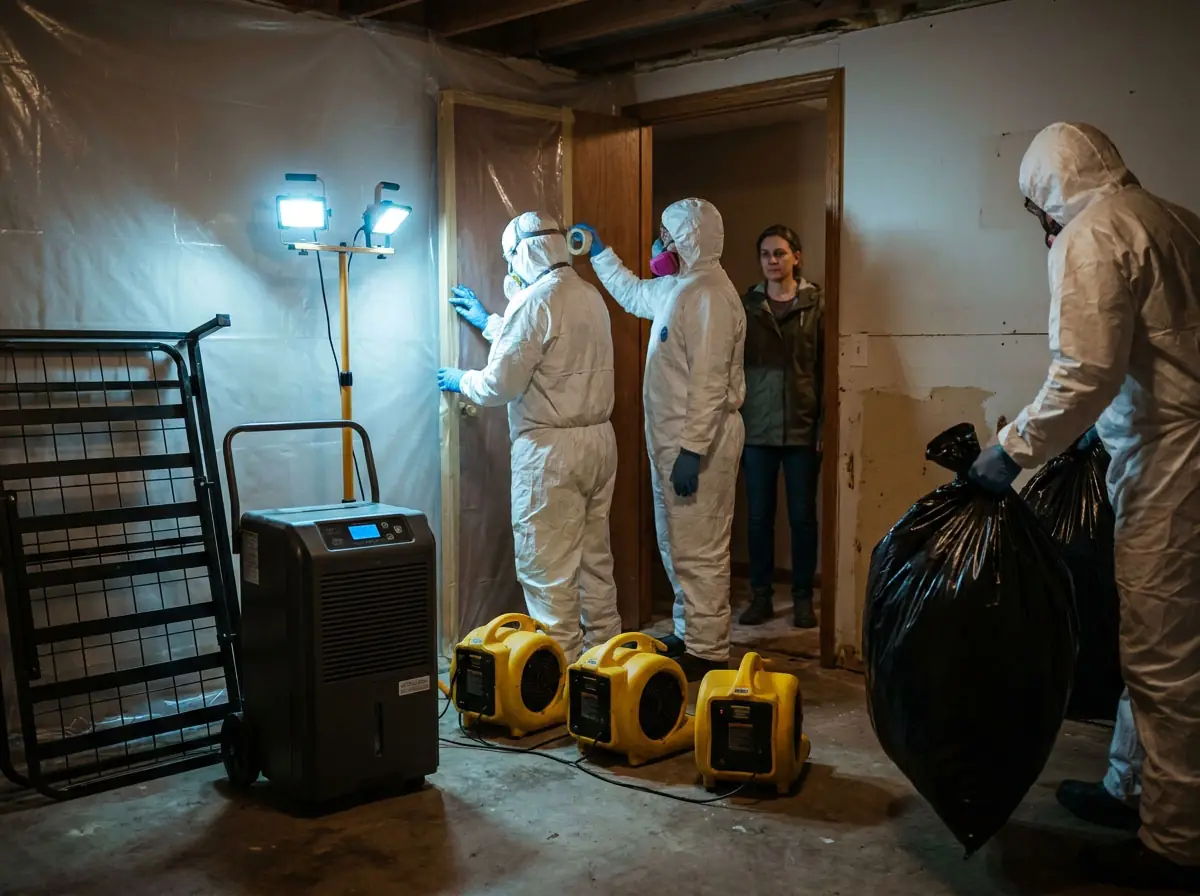
Stop the spread cold. First move: shut down your HVAC pronto. Kill the fan, seal vents with plastic sheeting.
Grab heavy trash bags and tape off doorways. Keep that mess contained before it owns your whole house.
Call pros now. We hit it with industrial fans and negative air machines that suck smoke right out, no second chances for residue.

Step-by-Step Assessment: What Pros Check First
Pros hit the ground running. They don't guess. First move? A full visual sweep to spot soot patterns and fire paths.
Smoke hides in cracks. That's why we use special lights and tools to reveal hidden damage on walls, ceilings, and floors. No shortcuts here—miss this, and odors creep back fast.
Key Checks in Every Seattle Smoke Damage Assessment
- HVAC inspection: Air ducts suck up smoke like a vacuum. We test airflow and pull samples to check contamination levels.
- Porous surfaces scan: Carpets, drapes, and furniture? They trap toxins. Moisture meters confirm if water from firefighting made it worse.
- Odor source hunt: Not all smoke smells the same. We pinpoint grease vs. synthetic residues with sniff tests and chemical detectors.
- Structural integrity: Walls and insulation often harbor soot. Thermal imaging shows hot spots where fire lingered.
This blueprint saves you thousands. Skip it, and you're scrubbing shadows. We document everything with photos and reports for insurance claims.
Proven Restoration Techniques That Erase Soot and Odors
Pros skip the guesswork. They hit smoke damage with targeted attacks that wipe out soot and stink for good. Forget spraying bleach everywhere, it just spreads the mess.
Soot Removal That Sticks
Dry sponge wiping grabs loose soot without smearing. Then comes chemical sponging for the greasy stuff from kitchen fires. Vacuuming with HEPA filters sucks up microscopic particles before they burrow deeper.
- Use a soda ash solution on porous surfaces like drywall, it neutralizes acids fast.
- For metals and glass, wet cleaning with trisodium phosphate blasts residue clean.
- Never rub, always blot, to avoid grinding particles in.
Odor Killers That Last
Ozone generators flood the space with O3 molecules that break down smoke molecules at the source. Seal the room, run it 24-48 hours, then air out. Pair it with thermal fogging, which carries deodorizers into cracks and crevices like magic smoke.
Sealants lock in any leftover odors behind walls. These tricks banish the smell, not mask it. Your Seattle home breathes fresh again.
HVAC Cleaning Secrets: Banishing Smoke from Your Air System
Smoke doesn't just cling to walls. It invades your HVAC system, coating ducts, filters, and coils with microscopic soot that recirculates for months. One uncleaned unit can turn your fresh Seattle air into a smoky nightmare every time the heat kicks on.
Start with a Full-System Inspection
Pros use high-powered cameras to snake through ducts and spot hidden buildup. They test airflow and sniff out odor pockets you can't see. Skip this, and you're just guessing at the problem.
- Check return vents for grease residue from kitchen fires.
- Inspect evaporator coils, where soot loves to hide and breed bacteria.
- Measure filter efficiency—clogged ones push smoke deeper into the system.
Next comes the heavy lifting: HEPA vacuuming sucks out 99.97% of particles without spreading them around. Chemical foggers then neutralize stubborn odors at the molecular level. In Seattle's damp climate, we finish with antimicrobial treatments to kill mold risks before they start.
Your furnace or AC blower? We disassemble and scrub it clean. Replace those filters with heavy-duty ones rated MERV 13 or higher. Boom—clean air flows again, no smoke ghosts haunting your home.
Case Study: Reviving a Seattle Kitchen Post-Fire
Picture this: A Capitol Hill family wakes up to smoke billowing from their 1920s kitchen after a forgotten stovetop grease fire. The damage? Thick soot coating cabinets, counters, and even seeping into the walls. Odors clung to everything, making meals impossible.
The Mess We Walked Into
Our team arrived fast. Soot from the greasy fire had bonded to every surface. Worse, smoke had invaded the HVAC, recirculating particles daily.
- Cabinets yellowed and sticky.
- Porous granite counters absorbed odors deep.
- Ducts loaded with residue, risking family health.
How We Turned It Around
We hit it with targeted dry ice blasting first. It lifted soot without water damage. Then, ozone generators neutralized odors at the source.
HVAC got a full scrub: Brushes pulled out hidden buildup. Sealants locked in fresh air. Total time? Under 48 hours.
Result: Kitchen sparkled like new. Family cooked their first odor-free dinner that night. No health complaints since. Proof pros deliver when stakes are high.
Final Words: Choose Pros for Lasting Smoke-Free Results
Amateurs chase symptoms. Pros kill the problem dead.
That greasy soot from your Seattle kitchen fire? It hides in walls, ducts, and carpets. One missed spot, and the stink creeps back in weeks.
Skip the heartbreak. Hire a crew trained for this exact fight.
- They spot damage DIYers miss, like microscopic particles in your HVAC.
- Use industrial-grade cleaners that zap odors at the source.
- Guarantee results, or they fix it free. No games.
Ready to breathe easy again? Dive into our full guide on Smoke Damage Restoration and call the pros who deliver.
Your home deserves it. Act now.
People Also Ask
How long does smoke damage restoration take in Seattle?
Smoke damage restoration in Seattle typically takes 3-7 days, depending on the fire's severity, home size, and damage type like grease or synthetic soot. Professionals start with assessment and containment, followed by cleaning and deodorization, ensuring minimal disruption. For faster results, contact local experts immediately to prevent further spread.
Can you clean smoke damage from your home yourself?
DIY smoke damage cleaning is not recommended, as improper methods can spread soot and odors deeper into HVAC systems and porous materials. Seattle's humid climate worsens residue penetration, requiring specialized tools and EPA-approved cleaners pros use. Hiring certified restorers ensures safe, thorough removal without health risks.
What is the cost of smoke damage restoration in Seattle?
Costs for smoke damage restoration in Seattle range from $2,000 to $10,000+, based on affected areas, soot type, and contents cleaning needs. Insurance often covers most expenses after deductible, with free estimates from local pros helping budget accurately. Factors like HVAC cleaning add to totals but prevent long-term issues.
How do you remove smoke smell from a house after a fire?
Removing smoke odor involves ozone treatment, hydroxyl generators, and thermal fogging to neutralize particles at a molecular level, especially effective in Seattle homes. Pros seal areas, clean ducts, and use sealants on studs to lock in residues. Persistent smells signal incomplete restoration, so trust IICRC-certified teams for lasting results.
Why does smoke damage spread quickly in Seattle homes?
Seattle's cool, damp climate allows smoke particles to cling to surfaces and infiltrate walls, HVAC, and furnishings rapidly. Pressurized smoke from fires pushes residue into hidden areas, amplifying damage if not contained fast. Immediate professional intervention with negative air machines stops spread and protects air quality.

Bob Bently is a fire, water, and mold cleaning specialist with over 11 years of experience serving residential and commercial buildings in Seattle, WA. He focuses on effective restoration tailored to the local Pacific Northwest climate and challenges. His expertise helps Seattle property owners address water damage promptly.
Need Water Damage?
Swift water damage restoration in Seattle, WA and nearby areas (98101, 98109, 98121, 98004, 98033), drying properties fast to minimize mold and structural loss.
Get Water Estimate