

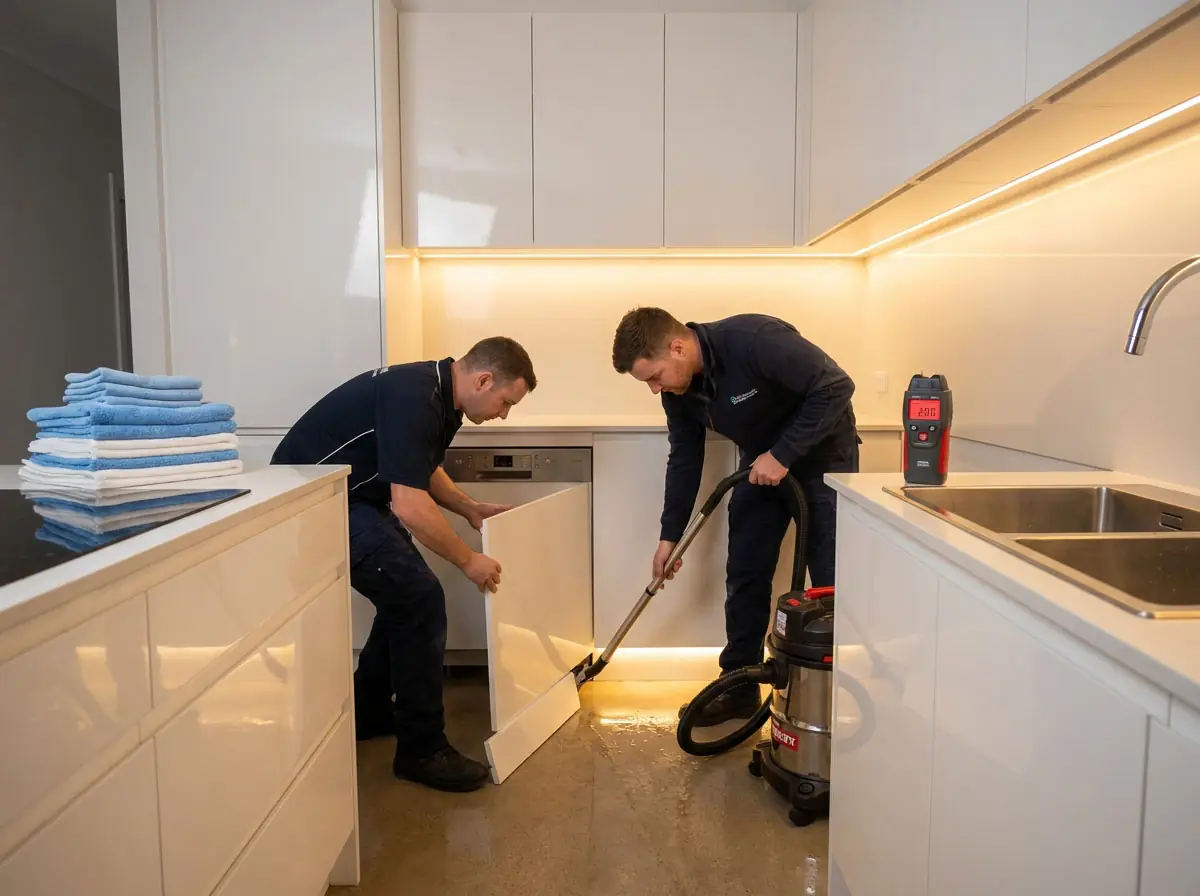


⚡ TL;DR: Discover why painting alone seals in smoke damage contaminants and odors in Seattle homes, and explore professional Smoke Damage Repair steps for lasting restoration.
📋 What You’ll Learn
In this Seattle smoke damage repair guide, you’ll discover why paint alone traps odors and contaminants, the science of soot damage, pro restoration steps, and real local fire recovery insights.
- Uncover the science of smoke damage including acidic soot, lingering odors, and hidden contaminants that penetrate walls, HVAC systems, and surfaces beyond surface cleaning.
- Understand why paint never works as it seals in toxins and smells instead of removing them, leading to recurring issues, health risks, and property devaluation.
- Master essential repair steps from initial assessment and soot removal to structural cleaning, odor neutralization, and verification for complete Seattle fire restoration.
- Explore advanced techniques and pitfalls like ozone treatment, fogging, and avoiding DIY mistakes that pros use to revive homes after stubborn kitchen fires.
📖 Reading time: 7 min
✍️ Author expertise: Seattle water and smoke damage pro with 15+ years of field restoration experience.
You finally get the green light from the fire department. Your Seattle home looks patched up with a fresh coat of paint, but that stubborn smoke smell hits you like a freight train the second you step inside.
It's not just embarrassing when friends wrinkle their noses. That odor clings to everything—clothes, curtains, even your kids' toys—because paint seals in the soot, it doesn't erase it.
In this post, we'll break down exactly why smoke damage repair in Seattle demands more than a quick makeover, and how to make your space truly breathable again.
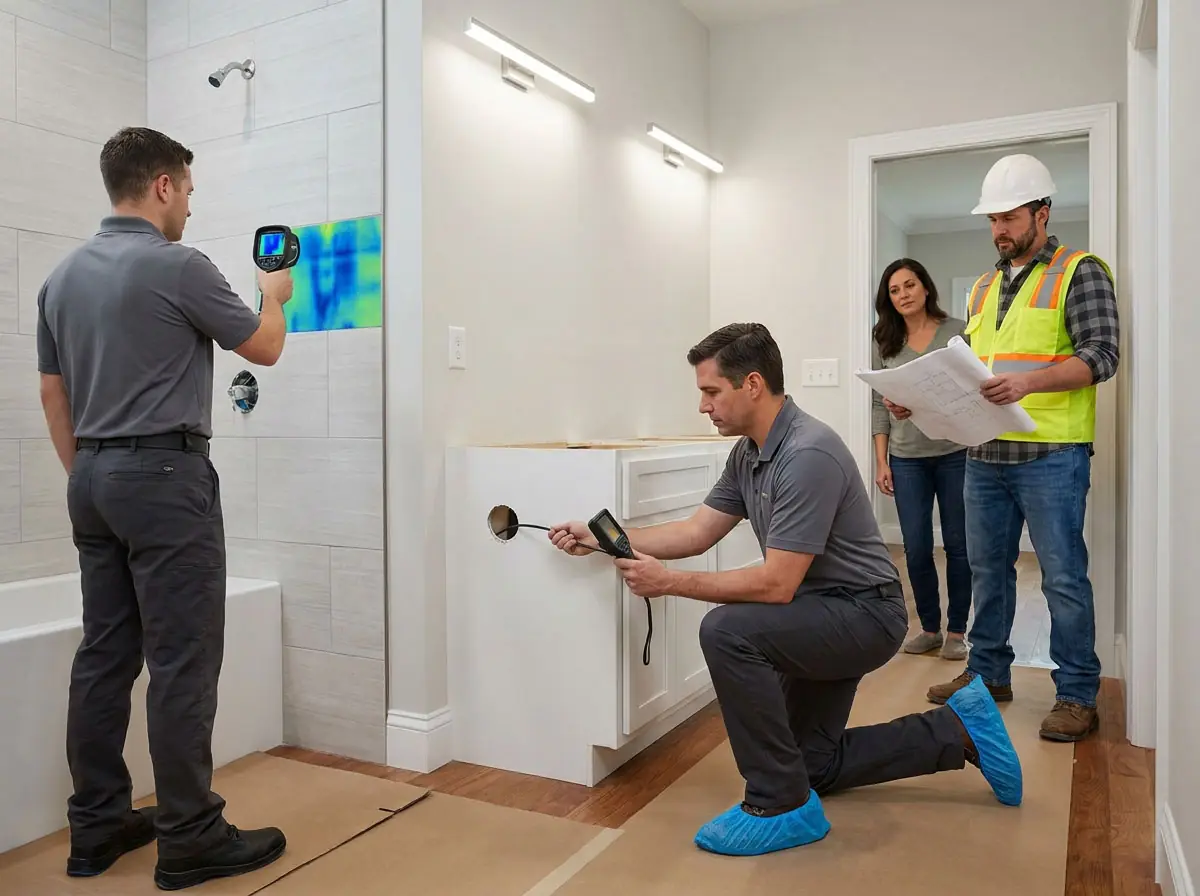
The Science Behind Smoke Damage: Soot, Acids, and Persistent Odors
Smoke from a fire isn't just black gunk. It's a cocktail of tiny particles called soot that sticks like glue to every surface in your Seattle home.
These particles carry oils and resins. They burrow into porous materials like drywall, wood, and fabrics. Wipe them away? They smear and spread.
Soot's Nasty Partners: Corrosive Acids
Smoke pumps out acids too. Think hydrochloric and sulfuric varieties from burning plastics and fabrics.
These eat at metals, etch glass, and weaken structural beams. Left alone, they keep corroding long after the fire's out.
- Yellowing walls from acid attack.
- Rusted fixtures in kitchens and bathrooms.
- Brittle carpets that crumble underfoot.
Then come the odors. Smoke molecules are oily and microscopic. They bond chemically to everything, refusing to fade.
No amount of airing out works. They hide in HVAC ducts, furniture stuffing, even behind baseboards.
Why Paint Fails: Sealing in Contaminants Instead of Removing Them
Picture this: you slap on that fresh paint, thinking you've buried the problem. But soot particles from smoke are microscopic invaders. They burrow into walls, ceilings, and ducts long before the fire trucks leave.
Paint acts like a cheap lid on a boiling pot. It traps acids and oily residues underneath, letting them off-gas for months. That lingering stench? It's those contaminants breaking free, mocking your DIY fix.
The Real Damage Paint Locks In
- Corrosive acids eat at drywall and studs over time.
- Soot stains bleed through, turning pristine white yellow in weeks.
- Health risks spike: irritated eyes, coughs, even respiratory issues for your family.
Skip the paint trap. True smoke damage repair in Seattle starts with removal, not cover-up. Professionals scrub deep, neutralizing threats at the source.

Essential Steps in Professional Smoke Damage Repair
Pros in Seattle know smoke damage runs deep. They start with a full inspection to map out every hidden pocket of soot and odor. Skip this, and you're just guessing.
Step-by-Step Breakdown
- Air Scrubbing: Pull contaminants from the air with industrial HEPA filters and ozone generators. This clears the fog before you touch surfaces.
- Soot Removal: Dry sponge wiping for walls, then chemical cleaners for greasy residues. No residue left to etch into materials.
- Deep Cleaning: Wash everything from HVAC ducts to fabrics. Seal off clean areas to stop cross-contamination.
- Odor Neutralization: Inject sealants into walls and use thermal fogging to kill smells at the source.
Each step builds on the last. Rush it, and odors bounce back stronger. Seattle teams follow IICRC standards to guarantee results that last.
Advanced Techniques for Odor Elimination and Surface Restoration
Blasting Odors at the Source
Pros skip the cheap air fresheners. They hit smoke odors head-on with hydroxyl generators. These machines pump out OH radicals that chew through smoke particles in the air and on surfaces, breaking them down at a molecular level.
Ozone generators follow up in sealed spaces. Think of it as nature's scrubber. High concentrations of O3 oxidize leftover contaminants, but only certified techs handle this right to avoid health risks.
- Thermal fogging: Fine mist of deodorizers penetrates cracks and fabrics like smoke did.
- HEPA air scrubbing: Traps microscopic soot while filtering 99.97% of particles.
- Enzyme treatments: For organic smoke residues, these eat bacteria fueling the stink.
Restoring Surfaces Without Compromise
Wood cabinets? Dry ice blasting strips soot without water damage. The frozen CO2 pellets sublimate on impact, lifting grime clean.
For drywall and ceilings, we soda blast first. Baking soda's gentle abrasion removes acids and tar, prepping for sealants that actually block future odors.
Seattle's damp climate makes this crucial. Skip it, and moisture reactivates trapped smoke. Final coat? Epoxy or shellac barriers that laugh at lingering smells.
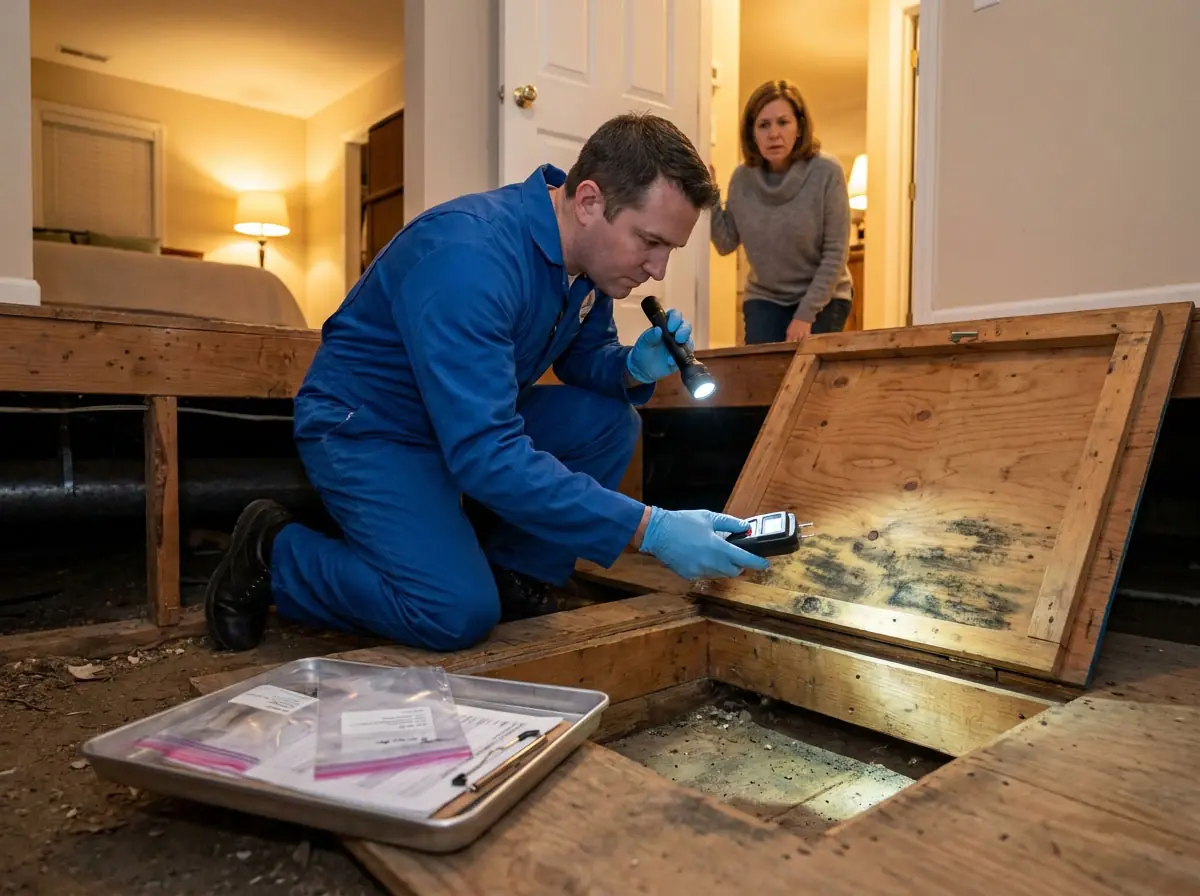
Case Study: Reviving a Seattle Townhome After a Stubborn Kitchen Fire
A Capitol Hill townhome. Grease fire on the stove. Flames licked cabinets and filled the open kitchen-living area with thick, black smoke before firefighters doused it.
The owners, a young family, wiped surfaces and slapped on paint. Two weeks later, the smoke stench lingered in HVAC ducts and porous drywall. Friends avoided visits. They called us in desperation.
Our Inspection Revealed the Hidden Mess
- Soot particles embedded in walls, like microscopic tar bombs.
- Acidic residue corroding metal fixtures.
- Odors trapped in insulation and furniture fabrics.
Standard wipe-downs missed 70% of contaminants. Paint just locked them in tighter.
The Fix: Step-by-Step Restoration
We started with HEPA air scrubbing to capture airborne particles. Then, dry ice blasting stripped soot without water damage.
Ozone generators neutralized odors at the molecular level over 48 hours. Sealants on studs prevented re-contamination.
Final air tests? Zero detectable smoke markers. The family moved back smell-free, hosting barbecues again by summer.
DIY Pitfalls vs. Hiring Seattle Smoke Damage Pros
Grab a bucket, some TSP cleaner, and a mask. You scrub walls and hope the smell fades. But soot particles burrow deep into porous surfaces like drywall and HVAC ducts.
DIY often backfires hard. Here's why homeowners in Seattle regret going solo:
- Health risks skyrocket: Inhaling residue causes respiratory issues, especially for kids and asthmatics.
- Odors return stronger: Without specialized tools, you just spread contaminants around.
- Insurance headaches: Botched jobs void claims and cost thousands in rework.
Pros Deliver What DIY Can't
Seattle smoke damage experts bring industrial-grade gear. Think ozone generators, hydroxyl tech, and thermal foggers that hunt odors at the molecular level. They test air quality before and after, proving the job's done right.
Your investment pays off fast. No lingering smells means you reclaim your home sooner. Plus, certified pros handle permits and insurance paperwork seamlessly.
Final Words
Smoke damage in your Seattle home isn't a "set it and forget it" problem. That lingering stench? It's a sign contaminants lurk beneath the surface, ready to resurface. Skip the paintbrush heroics and call in experts who get results.
Professionals tackle the root cause with proven methods, restoring air quality and property value fast. No more second-guessing or wasted weekends on half-measures. Your family deserves fresh, safe air—nothing less.
- Spot persistent odors? Act now before they spread.
- Need a free assessment? Hit up our Smoke Damage Repair team today.
- One call turns chaos into calm.
People Also Ask
Can you paint over smoke damage?
Painting over smoke damage might temporarily mask the appearance, but it seals in soot, acids, and odors, causing them to resurface later. In Seattle's humid climate, this can lead to faster deterioration and health risks from trapped contaminants. Professional smoke damage repair removes residues first for a lasting fix.
Why does smoke smell come back after painting?
Smoke odors persist because paint acts as a sealant, trapping microscopic soot particles and volatile organic compounds within walls and surfaces. Over time, especially in Seattle homes with varying humidity, these contaminants off-gas, bringing the smell back stronger. True restoration involves deep cleaning and odor neutralization, not just covering up.
How do you properly clean smoke damage from walls?
Start with dry sponging to remove loose soot, followed by chemical cleaners to break down acids and residues without spreading them. In Seattle, pros use HEPA vacuums and ozone treatments tailored to local fire types like kitchen grease fires. Avoid DIY wiping, as it smears contaminants deeper.
Does smoke damage go away on its own?
Smoke damage never fully resolves without intervention; soot etches surfaces, acids corrode materials, and odors embed in porous items like drywall. Seattle's damp weather exacerbates this, promoting mold alongside lingering smells. Hiring certified smoke damage experts ensures complete removal and prevents long-term issues.
How much does smoke damage repair cost in Seattle?
Costs vary from $2,000 to $10,000+ based on damage extent, home size, and fire source, with Seattle rates influenced by urban access and IICRC-certified labor. Free inspections from local pros like our team help pinpoint needs without surprises. Investing upfront saves thousands in future repairs compared to ineffective painting.
Bob Bently is a Fire/Water/Mold cleaning specialist with over 11 years of experience serving residential and commercial buildings in Seattle, WA. He focuses on water damage restoration, fire cleanup, and mold remediation tailored to the Pacific Northwest's climate challenges. Bob helps Seattle-area properties recover efficiently from disasters.
Need Water Damage?
Swift water damage restoration in Seattle, WA and nearby areas (98101, 98109, 98121, 98004, 98033), drying properties fast to minimize mold and structural loss.
Get Water Estimate