


⚡ TL;DR: This Seattle guide delivers a room-by-room checklist for smoke damage cleanup, from kitchens and living rooms to hidden areas like HVAC, with tips for effective restoration.
📋 What You’ll Learn
In this Seattle smoke damage cleanup guide, you’ll master room-by-room checklists for kitchens, living rooms, bedrooms, bathrooms, and hidden areas, plus a real case study and pro tips for lasting results.
- Conquer kitchen smoke residue from stovetops to cabinets with step-by-step techniques that remove grease, odors, and stains safely in Seattle homes.
- Revive living room essentials by restoring sofas, curtains, and walls using effective methods to eliminate smoke damage without replacement costs.
- Freshen bedroom fabrics and closets through targeted deodorization strategies that banish lingering smoke smells and restore air quality quickly.
- Clear bathroom tiles and fixtures plus HVAC, attics, basements, and garages to prevent hidden smoke spread in utility spaces.
- Gain insights from a Seattle case study showcasing full home recovery and when professional help ensures complete, long-term restoration success.
📖 Reading time: 8 min
✍️ Author expertise: Seattle water damage pro with 15 years of hands-on smoke restoration from local fire recoveries.
You step into your Seattle home after that kitchen fire alarm finally quiets down, only to get hit by a wall of acrid smoke that clings to everything like a bad memory.
Clothes in the bedroom reek, cabinets in the bathroom feel greasy, and don't get me started on the living room couch—it's a full-on invasion.
But here's the good news: you don't have to fumble through this mess alone. Our room-by-room checklist for smoke damage cleanup in Seattle turns chaos into control, step by straightforward step.
Let's dive in and reclaim your space, starting with the kitchen.
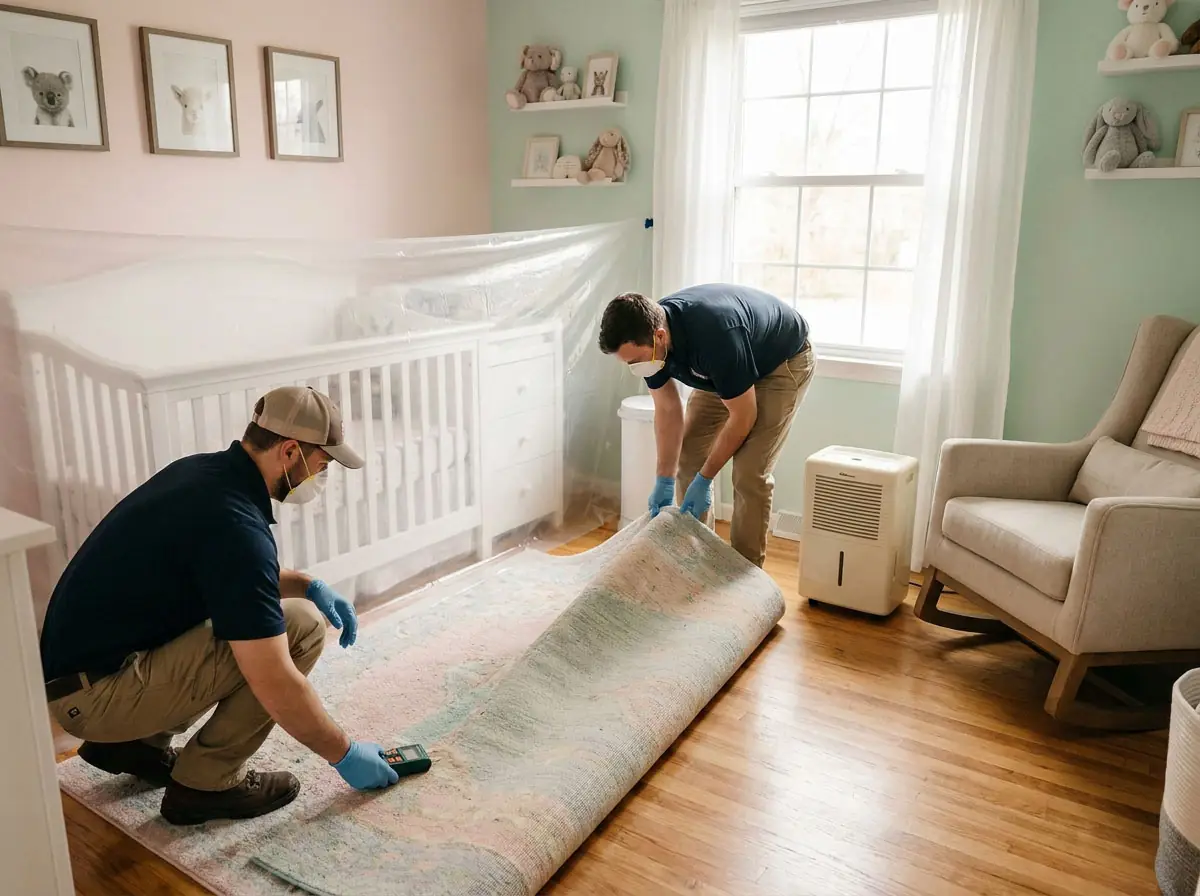
Kitchen Smoke Damage Cleanup Checklist: From Stovetop to Cabinets
Your kitchen took the hardest hit. Grease and soot baked onto every surface during that fire. Hit it fast before the smell sets in for good.
Stovetop and Appliances First
Power down everything. Unplug appliances and shut off gas lines if safe.
- Wipe stovetop with a degreaser like TSP substitute. Scrub hard—smoke bonds to oil.
- Clean oven interiors with baking soda paste. Let it sit 30 minutes, then scrape.
- For fridge and microwave: empty, wipe seals and vents with vinegar solution.
Cabinets, Counters, and Floors
Smoke hides inside cabinets. Pull everything out and attack from top to bottom.
- Dust cabinets with a dry cloth first. Then wash with dish soap and hot water.
- Granite counters? Use stone-safe cleaner. Avoid bleach—it etches.
- Floors get mopped last: mix ammonia and water, rinse twice. Dry completely to stop mold.
Pro tip: Wear gloves and a mask. That soot irritates skin and lungs.
Living Room Restoration: Saving Sofas, Curtains, and Walls
Your living room takes the brunt of smoke damage in Seattle homes. That favorite couch? It's soaked in odor. Walls and curtains? Greasy residue everywhere. Hit it fast with these steps to stop the stink from settling in.
Rescue the Sofa First
Ventilate the room wide open. Fans pulling air out, windows cracked. Sprinkle baking soda thick on the cushions overnight—it sucks up smoke smell like a champ.
- Vacuum thoroughly the next morning, no mercy on crevices.
- Wipe frames with a vinegar-water mix (1:1 ratio) for grease cutoff.
- Steam clean upholstery only if the tag says okay; otherwise, call pros to avoid shrinkage.
Curtains and Walls: Quick Wins
Curtains come down now. Toss in the washer with enzyme detergent if machine-safe, or hang outside for a good Seattle rain rinse. Dry them straight, no bunching.
Walls get a sugar soap scrub—cuts through soot without wrecking paint. Test a spot first. For heavy buildup, prime with TSP cleaner, then repaint seals it all.
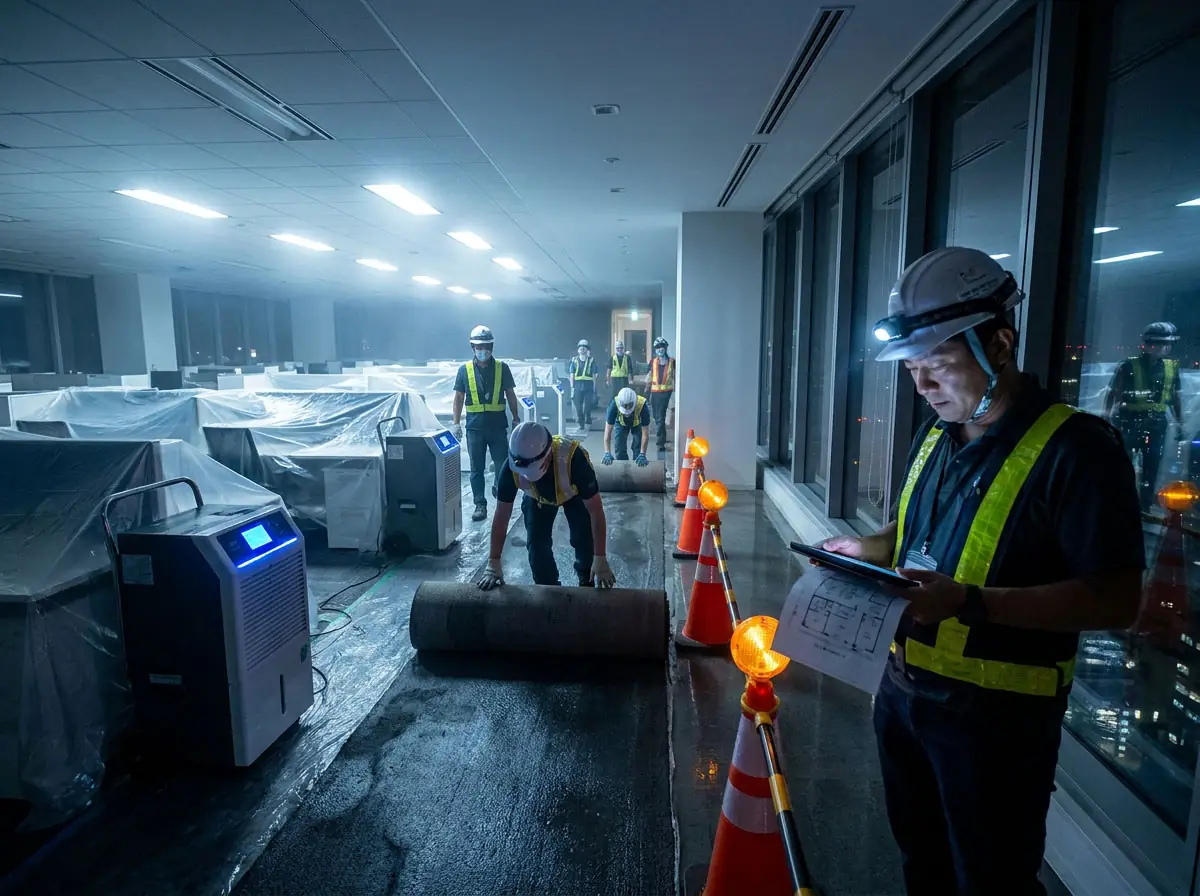
Bedroom Deodorization Guide: Freshening Fabrics and Closets
Your bedroom should be a retreat, not a smoke trap. That lingering stench hits hardest on pillows, sheets, and clothes stuffed in closets. Hit it hard and fast to sleep easy again.
Start with the Bed: Vacuum, Wipe, Air Out
- Vacuum every inch of the mattress and box spring using a HEPA filter attachment. Smoke particles hide deep.
- Sprinkle baking soda liberally, let it sit for hours, then vacuum again. It sucks up odors like a champ.
- Wash all bedding in hot water with an enzyme cleaner. For dry-clean-only items, bag them and call pros right away.
Air out the room by opening windows on a dry Seattle day. Fans pointed outward pull the stink away.
Closets and Clothing: Sort, Clean, Store Smart
Clothes act like sponges for smoke. Don't just mask it, kill the smell at the source.
- Remove everything. Shake out items outdoors and inspect for greasy residue.
- Wash washables with vinegar in the rinse cycle. Hang dry in fresh air.
- For delicates, use a garment steamer with ozone treatment or professional dry cleaning. Seal non-washables in bins with activated charcoal packets until serviced.
Wipe closet shelves with a vinegar-water mix. Stuff closets with coffee grounds or charcoal bags overnight to absorb leftovers.
Bathroom Smoke Damage Residue Removal: Tiles, Fixtures, and More
Bathrooms trap smoke like a sponge. That greasy film on tiles and mirrors? It sneaks into grout lines and behind fixtures. Hit it fast to stop the stink from settling in.
Tiles and Grout First
Start with tiles and grout. Smoke residue builds up quick in those tiny cracks.
- Wipe surfaces with a mix of dish soap and warm water. Use a soft sponge, no abrasives.
- For grout, scrub with a stiff brush dipped in baking soda paste. Rinse well.
- Test TSP substitute on a small spot first. It cuts grease like magic.
Fixtures and Mirrors
Fixtures get the worst of it. Sinks, faucets, and showers turn yellow if you wait.
- Glass cleaner tackles mirrors. Spray, let sit five minutes, wipe with microfiber.
- Metal fixtures? Vinegar soak loosens tar. Polish dry to shine.
- Shower curtains or liners: Toss if bad, wash others in hot water with vinegar.
Don't forget the exhaust fan. Pull it out, vacuum vents, wipe blades. Fresh air flow kills lingering odors.
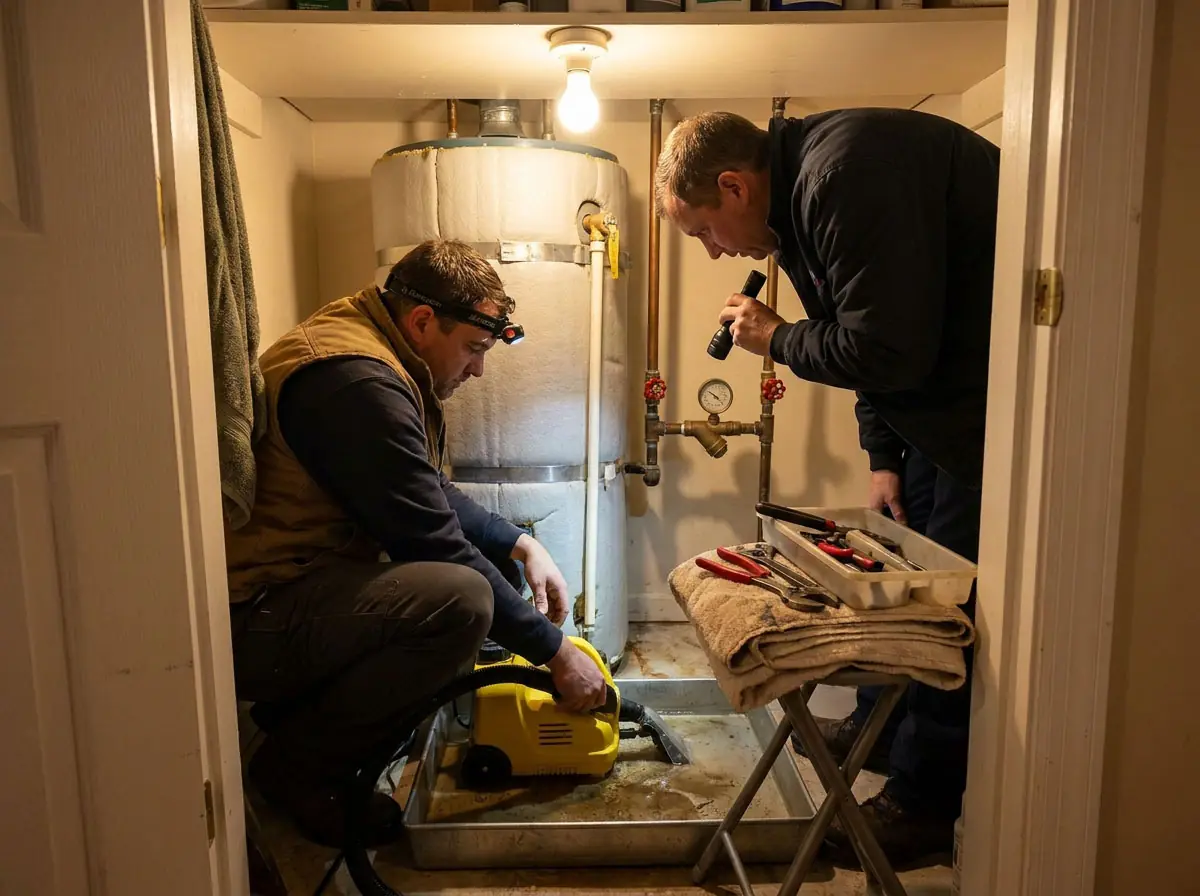
Utility and Hidden Areas: HVAC, Attic, Basement, and Garage
Smoke sneaks into the spots you can't see right away. Think HVAC ducts pushing that stench through every vent. Hit these utility zones fast, or the smell bounces back no matter what you do in the main rooms.
HVAC System First
Shut off the system immediately. Smoke particles clog filters and coat coils, turning your air handler into a smoke factory.
- Replace the furnace filter with a high-MERV rated one designed for smoke damage cleanup in Seattle.
- Inspect ducts for soot buildup; tape seams if needed, but call pros for deep cleaning.
- Run fans on high with windows open to flush residue before restarting.
Attic, Basement, Garage Deep Dive
These hidden haunts trap smoke like a sponge. Crawl spaces and garages often get overlooked, letting odors seep back into living areas.
- Vacuum insulation and joists with a HEPA-filtered vac—don't spread soot around.
- Wipe down rafters, pipes, and wiring with TSP cleaner; wear a respirator.
- Seal cracks in walls and floors to block future invasions.
One missed corner here, and your whole house stays smoky. Test air quality after cleanup to confirm it's clear.
Case Study: Reviving a Seattle Family's Home Post-Fire Smoke
Picture this: the Patels, a busy Seattle family of four, woke up to a grease fire in their kitchen last winter. Smoke poured through vents, coating every room in that stubborn, oily residue. They called us at 2 a.m., desperate to salvage their cozy Capitol Hill home before the stench set in for good.
The Mess They Faced
- Kitchen cabinets slick with grease, dishes yellowed beyond washing.
- Living room sofa and curtains holding smoke like a sponge, triggering headaches.
- Bedroom closets reeking so bad, clothes were tossed into trash bags overnight.
- HVAC ducts spreading the smell upstairs to the attic, a hidden nightmare.
We hit the ground running that same night. Air scrubbers roared to life first, pulling particulates from the air while our crew tackled surfaces with specialized cleaners. No shortcuts—every fabric got treated, every crevice scrubbed.
Turning the Tide
- Bathroom tiles came clean with ozone treatment, fixtures gleaming again.
- Garage tools wiped down, basement boxes unsealed and deodorized.
- Full HVAC flush killed lingering odors at the source.
By day three, the Patels walked back in and hugged us. Their home smelled fresh, like rain on Puget Sound. Total cost? Far less than replacing everything—and they slept soundly that night.
Final Thoughts: Professional Help for Lasting Results
You've got the checklist. You've got the steps. But let's cut to the chase: smoke damage fights back hard if you skip the pros.
DIY might scrub the surface. It won't touch the hidden soot baked into your walls or the odor locked in your HVAC. That's where we shine in Seattle.
Why Call Experts Now?
- Specialized gear blasts residue from spots you can't reach.
- Odor-neutralizing tech kills smells at the source, not just masks them.
- Insurance paperwork? We handle it, so you focus on living.
One call to our team turns that smoky nightmare into fresh air. Check our Smoke Damage Cleanup services and get your free assessment today. Your home deserves the heavy hitters.
People Also Ask
How do you clean smoke damage from kitchen cabinets?
Start by wiping surfaces with a mixture of white vinegar and water to break down residue, then use a trisodium phosphate (TSP) solution for tougher soot. Rinse thoroughly and dry completely to prevent further damage. For Seattle homes, professional services ensure cabinets are fully restored without lingering odors.
What is the best way to remove smoke smell from living room furniture?
Sprinkle baking soda liberally on sofas and carpets, let it sit for 24 hours, then vacuum thoroughly. For curtains and upholstery, use an ozone generator or enzyme-based cleaners designed for smoke. In humid Seattle climates, pros recommend sealing porous surfaces to lock out odors permanently.
Can you clean smoke damage from bedroom fabrics yourself?
Wash removable fabrics like bedding in hot water with vinegar and baking soda, but dry clean non-washables professionally. Air out closets with activated charcoal absorbers and fans. Seattle restoration experts advise testing for hidden soot in HVAC vents to avoid recontamination.
How do you remove smoke residue from bathroom tiles and fixtures?
Scrub tiles with a baking soda paste or TSP cleaner, focusing on grout lines where residue hides. Clean fixtures with glass cleaner and microfiber cloths to avoid streaks. Local Seattle teams use specialized equipment for complete removal, especially in moisture-prone bathrooms.
Should you hire professionals for attic and basement smoke cleanup in Seattle?
Yes, due to hard-to-reach areas and risks like mold in damp Seattle basements. Pros use HEPA vacuums, air scrubbers, and thermal imaging to detect hidden damage. DIY attempts often miss insulation contamination, leading to ongoing health issues.

Bob Bently is a fire, water, and mold cleaning specialist with over 11 years of experience serving residential and commercial buildings in Seattle, WA. He focuses on effective restoration solutions tailored to the Pacific Northwest's unique climate challenges. Bob's local expertise helps Seattle property owners recover quickly from water damage emergencies.
Need Water Damage?
Swift water damage restoration in Seattle, WA and nearby areas (98101, 98109, 98121, 98004, 98033), drying properties fast to minimize mold and structural loss.
Get Water Estimate