


⚡ TL;DR: This hour-by-hour action plan guides Seattle homeowners through emergency flood cleanup, from safety assessments and water removal to salvaging belongings, mold prevention, and professional drying.
📋 What You’ll Learn
In this hour-by-hour Seattle flood cleanup guide, you’ll gain a practical action plan to ensure safety, stop damage, remove water, salvage items, and restore your home fast.
- Master Hour 1 safety protocols by assessing hazards, cutting power, and evacuating risks to protect lives and set up smart flood response in Seattle properties.
- Seal flood sources in Hour 2 using barriers, valves, and tarps to halt water inflow, shield dry zones, and limit widespread structural harm effectively.
- Execute Hour 3 water extraction with pumps, vacuums, and strategic wiping to swiftly clear standing water, safeguarding floors, walls, and foundations from deepening damage.
- Salvage items and block mold in Hour 4 by prioritizing valuables, air-drying goods, and applying preventives to rescue belongings and curb health-threatening growth.
- Apply Hours 5-8 drying tactics via fans, dehumidifiers, and moisture checks for complete restoration, averting warps, rot, and costly repairs in wet Seattle basements.
📖 Reading time: 7 min
✍️ Author expertise: Seattle water damage pro with 15+ years of field flood recovery in Puget Sound homes.
It's 2 a.m. in Seattle, and the skies unleash a biblical downpour that turns your basement into a swimming pool. Your heart pounds as you slosh through knee-deep water, phone in hand, desperately searching for help while the clock ticks against you.
One wrong move, and that flood turns into a mold factory, structural nightmare, or worse—thousands in damages you can't afford. But here's the truth: most homeowners panic and make it worse.
I've seen it a hundred times restoring Seattle homes after these deluges. Grab this hour-by-hour action plan, and you'll fight back like a pro, minimizing damage and getting dry fast.
Hour 1: Prioritize Safety and Initial Assessment
First things first. Your safety comes before everything. Turn off the main power if water reaches outlets or appliances. One spark in standing water equals disaster.
Grab a flashlight. No flipping light switches. Assess the damage fast: how deep is the water? Where's it coming from? Note hazards like exposed wires or buckling floors.
Quick Safety Checklist
- Wear rubber boots and gloves. No bare feet.
- Evacuate kids and pets immediately.
- Call 911 if you smell gas or see sparks.
- Snap photos for insurance. Phone's your best tool right now.
Don't touch the water yet. Yell for help if you're alone. Pros like us in Seattle arrive in under an hour, but these steps buy you time.
Hour 2: Stop the Source and Protect Your Home
Water's still pouring in. Your first job? Shut it off. Find the main water valve or shut off whatever pipe burst—usually in the basement, garage, or outside near the meter.
Can't locate it? Seattle homes often have valves in utility closets or crawl spaces. Turn clockwise to stop the flow. No guessing—grab a flashlight and wrench if needed.
Quick Barriers to Save Your Stuff
- Tarp windows and doors against more rain sneaking in from our relentless Pacific Northwest storms.
- Stuff towels or rags into door gaps downstairs. Plastic sheeting over vents blocks humid air.
- Move furniture up on blocks or to higher floors. Every inch counts.
Act now, or that knee-deep mess climbs to your walls. Pros arrive faster when you've contained the chaos—no spreading to upstairs.
One Seattle client skipped this and lost his entire first floor. Don't repeat that mistake.

Hour 3: Emergency Water Removal Techniques
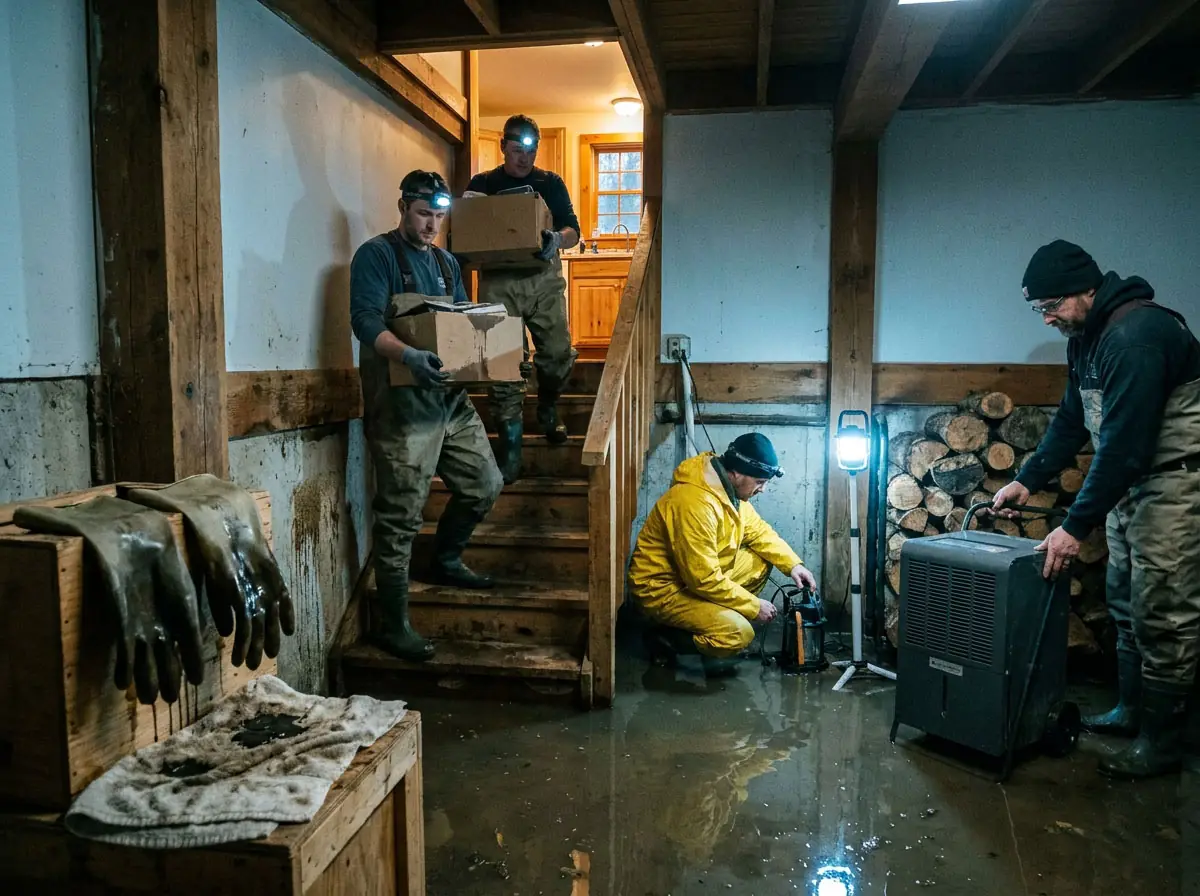
Water's rising fast. You need to suck it out now, before it soaks into walls and floors. Grab every tool you got.
Quick DIY Extraction Methods
- Wet-dry shop vac: Best bet for shallow water. Empty it outside every few minutes. Keep going until it's bone dry.
- Buckets and mops: Old school, but works in tight spots. Bail like your life depends on it. Dump far from the house.
- Sump pump rental: If water's deep, hit the hardware store. Plug it in safely, let it run into the storm drain.
Skip the household vacuum. It'll fry. Focus on the lowest areas first. Speed beats perfection here.
Pro tip from Seattle floods: Cut holes in drywall if water's trapped behind. Let it drain into the open. This saves hours later.
Track your progress. Mark water lines on the wall. You'll see the win as levels drop.
Hour 4: Salvage Belongings and Prevent Mold
Time to rescue what matters. Start with irreplaceable stuff like family photos, heirlooms, and important papers. Skip the couch for now; focus on high-value items first.
Prioritize Like a Pro
- Photos and documents: Gently rinse off mud, pat dry with towels, then lay flat between fans.
- Electronics: Unplug immediately, wipe exteriors, and prop up to drain.
- Clothes and fabrics: Hang outside if possible; Seattle's cool air helps here.
Act fast. Wet items stacked together breed mold overnight. Spread everything out now.
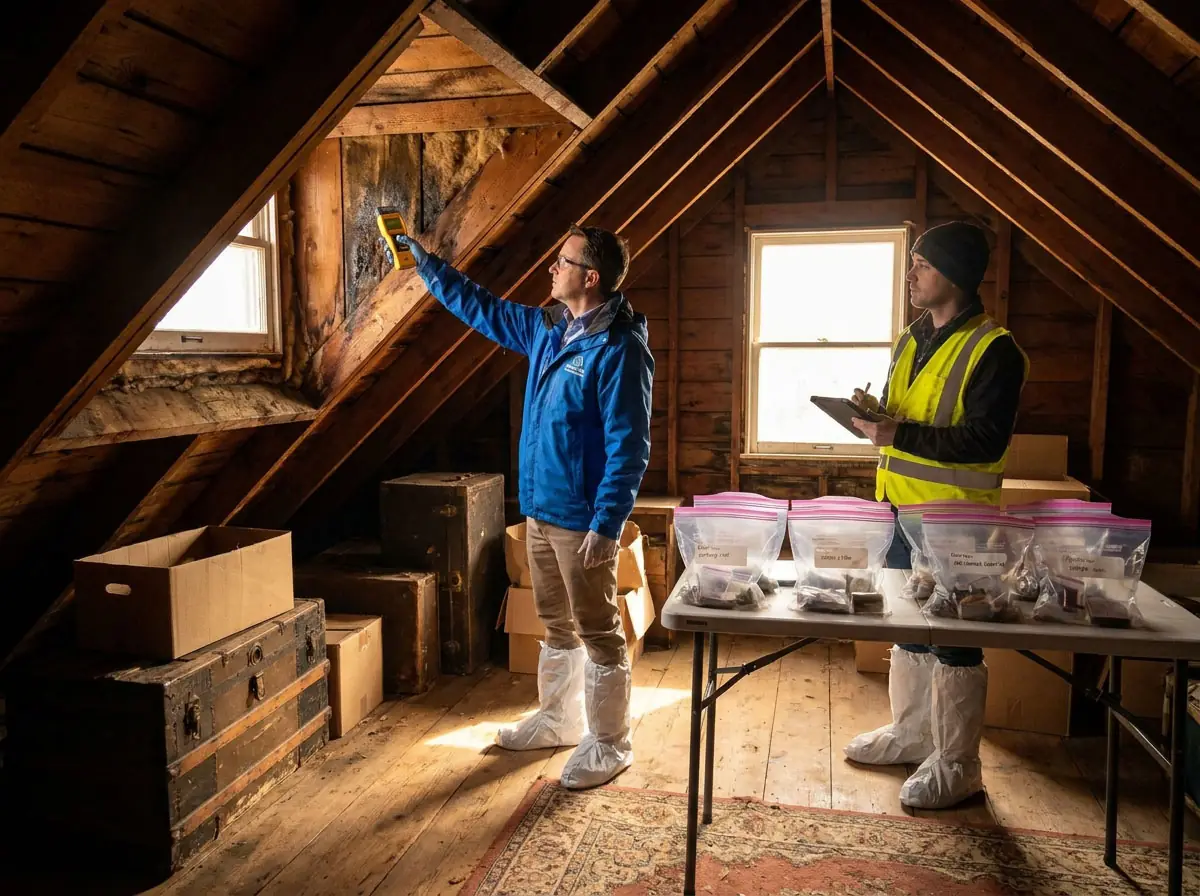
Mold loves standing water and humidity. Hit it hard with fans and dehumidifiers pointed at walls and floors. Open windows if the rain's stopped; fresh air circulation is your best friend.
Pro tip: Spray salvageable surfaces with a 1:10 bleach-water mix. But don't soak wood or drywall. If you're in over your head, call our Seattle team—we swoop in with industrial extractors to stop mold dead.

Hours 5-8: Professional Drying and Ventilation Strategies
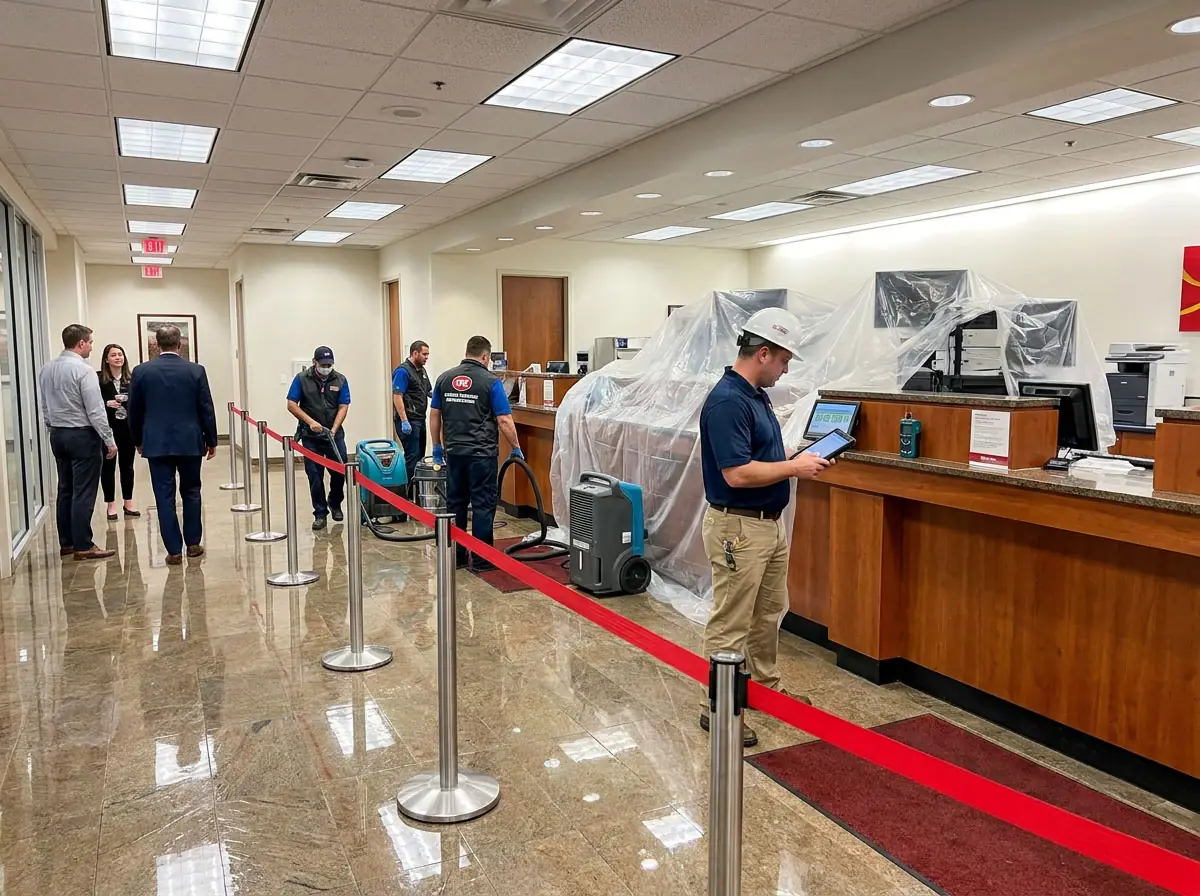
Water's gone, but damp walls and soggy carpets scream mold risk if you slack now. Call in pros with truck-mounted dehumidifiers and air movers—these beasts pull moisture faster than your box fans ever could. In Seattle's soggy air, DIY drying drags on for weeks.
Key Gear That Gets the Job Done
- High-capacity dehumidifiers: Suck 100+ pints of water daily from the air.
- Commercial air movers: Blast 5,000 CFM to circulate dry air deep into walls.
- Negative air machines: Scrub contaminants while drying.
Position fans low, angled up, for max evaporation. Pros monitor humidity with meters—aim under 50% RH to starve mold spores.
Open windows only if outdoor air's drier than inside—rare in Seattle. Seal off wet zones with plastic sheeting to focus drying power. Skip this, and you're brewing black mold by breakfast.
Case Study: Saving a Capitol Hill Basement from Total Loss
Picture this: Sarah in Capitol Hill wakes up at midnight to water gushing from a burst pipe in her 1920s basement. Knee-deep floodwaters threaten her irreplaceable family heirlooms and a $50,000 remodel. She grabs her phone, follows our hour-by-hour plan, and calls our Seattle crew by hour 2.
What Went Right, Step by Step
- Hour 1: Shut off the main water valve fast. No more inflow. Safety check kept her out of harm's way.
- Hour 3: Truck-mounted extractors sucked out 1,200 gallons. Belongings elevated on blocks.
- Hours 5-8: Industrial fans and dehumidifiers kicked in. Moisture levels dropped from 100% to under 15%.
By dawn, structural beams were dry. No mold took hold. Sarah saved over $40,000 in repairs, back in her home within 72 hours. Proof this plan works when you act quick in Seattle's wet chaos.
Final Words
Floods hit hard and fast in Seattle. You've got the hour-by-hour plan to fight back. But remember: pros finish the job right.
Skip the DIY trap after hour four. Call a certified team before mold takes root or walls buckle. Your home deserves that edge.
- 24/7 response – we're there when rain pounds Queen Anne or Capitol Hill.
- Industrial gear dries hidden spots amateurs miss.
- Insurance hassle? We handle the paperwork.
Dive deeper into proven tactics at our Emergency Flood Cleanup page. Act now. Dry tomorrow starts today.
People Also Ask
How do I prioritize safety in the first hour of a Seattle flood?
In Hour 1, turn off electricity at the breaker to avoid shocks, evacuate if water levels are rising, and assess damage from a safe distance. Avoid walking through floodwater due to hidden hazards like live wires or sewage. Call Seattle water damage professionals immediately for expert guidance tailored to local conditions.
What’s the fastest way to stop flood water damage in Seattle homes?
By Hour 2, identify and stop the water source, such as shutting off main valves for bursts or rerouting rainwater during Seattle's heavy storms. Use tarps or sandbags for exterior protection against ongoing rain. Professional teams arrive equipped with industrial pumps to prevent further intrusion.
Can I handle emergency water removal myself after a Seattle flood?
DIY water removal with wet vacs works for minor spills, but for floods, pros use high-powered extractors by Hour 3 to remove gallons efficiently. Attempting alone risks incomplete extraction and mold growth in Seattle's humid climate. Contact certified restorers to ensure thorough drying and compliance with local codes.
How do I prevent mold during the first few hours of flood cleanup in Seattle?
From Hour 4, salvage wet belongings by rinsing and drying them promptly, then set up fans for air circulation. Remove standing water completely to halt mold spores thriving in Seattle's damp environment. Experts apply antimicrobial treatments during Hours 5-8 to safeguard your property long-term.
How long does a full emergency flood cleanup take in Seattle?
An hour-by-hour plan covers initial response in 1-4 hours, with professional drying spanning 5-8 hours or more based on damage extent. Seattle's frequent rains demand swift action to avoid delays. Most homes are stabilized within 24-48 hours by experienced local teams, preventing costly structural issues.

Bob Bently is a fire, water, and mold cleaning specialist with over 11 years of experience serving residential and commercial buildings in Seattle, WA. His expertise focuses on water damage restoration suited to the region's rainy climate. Bob helps local property owners address emergencies effectively.
Need Water Damage?
Swift water damage restoration in Seattle, WA and nearby areas (98101, 98109, 98121, 98004, 98033), drying properties fast to minimize mold and structural loss.
Get Water Estimate