


⚡ TL;DR: Learn how professional mold inspections in Seattle use moisture meters, thermal imaging, HVAC checks, and hidden area exams to uncover mold issues homeowners often miss.
📋 What You’ll Learn
In this Seattle mold inspection guide, you'll uncover pro-level checks that reveal hidden dangers homeowners miss, from moisture traps to spore hotspots in damp Pacific Northwest homes.
- Master moisture meter probing to detect invisible dampness behind walls and floors, stopping mold before it spreads in Seattle's humid climate.
- Harness thermal imaging power for spotting concealed hotspots where temperature shifts signal hidden moisture fueling unseen mold growth.
- Dive into HVAC duct scans exposing airborne spore traps that circulate mold throughout homes, overlooked by basic visual inspections.
- Grasp air and surface sampling techniques quantifying toxic spore levels pros use to confirm risks DIY methods can't identify.
- Explore crawl spaces and attics as Seattle's prime damp zones hiding mold colonies, with field-tested inspection tips.
📖 Reading time: 7 min
✍️ Author expertise: Seattle water damage specialist with 15 years of hands-on mold inspections in local homes.
Ever wake up to that faint, musty stench creeping from your Seattle basement after another downpour? You spot the fuzzy patches on the wall, grab some bleach, and call it a day. But here's the kicker: those visible signs are just the tip of a toxic iceberg.
Pros in mold inspection Seattle know the real threats hide behind drywall, inside HVAC ducts, and under your floors – spots your naked eye skips entirely.
They use tools and tricks to sniff out dangers that could wreck your health and home value before you even notice.
Keep reading to uncover the seven critical checks the experts make that DIYers blow past every time.
Moisture Meters: Probing Beyond Visible Damage
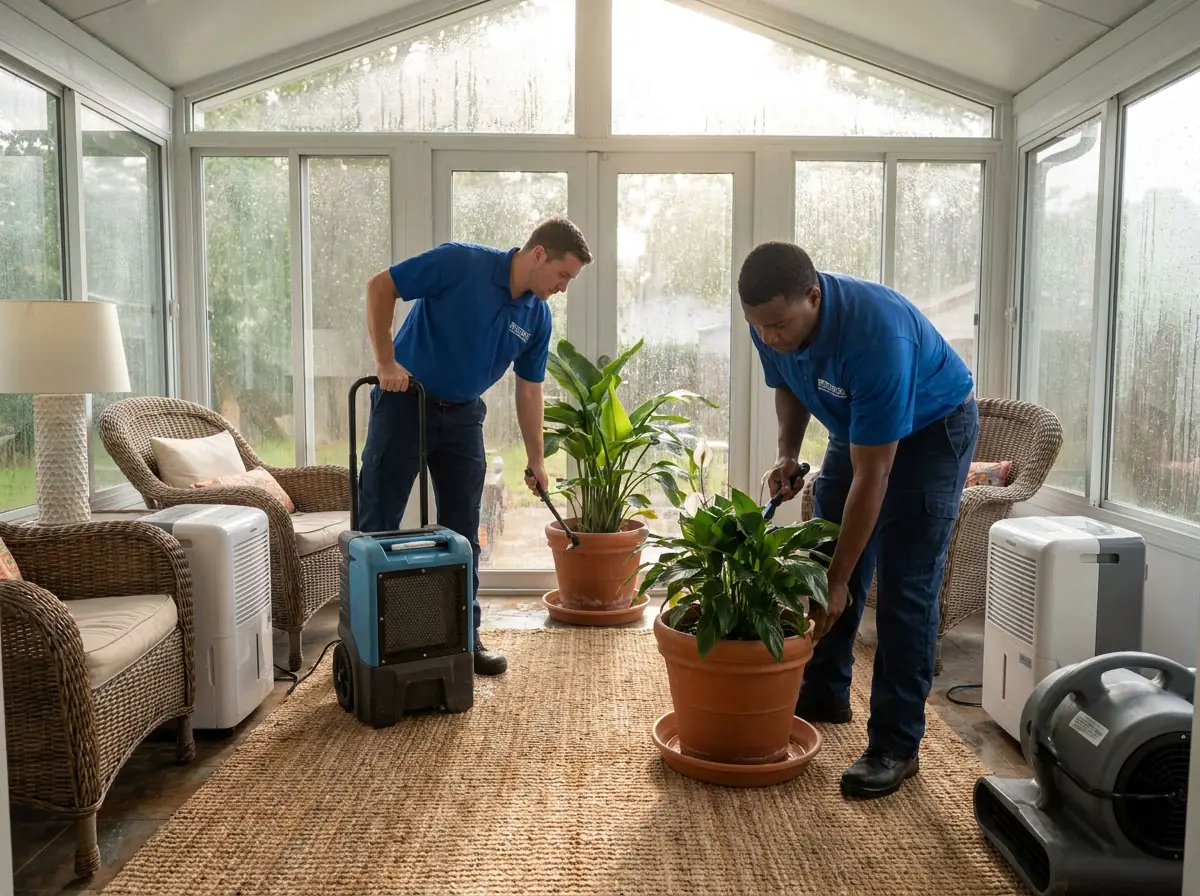
Your eyes catch the water stain on the ceiling. But that meter? It digs deeper. Pros jam pins into walls or glide non-invasive sensors over surfaces to read exact moisture levels hidden inside.
Why does this matter in rainy Seattle? Drywall might look fine, but hold 20% moisture and boom - mold colony incoming. These tools flag risks before spores explode.
Here's what moisture meters reveal that you skip:
- Wall cavities saturated from leaky pipes.
- Floors trapping groundwater after floods.
- Behind cabinets where condensation builds silently.
DYI bleach won't touch this. One reading over 16% screams "call the pros now."
Thermal Imaging: Spotting Hidden Hotspots
Grab a thermal imaging camera, and suddenly walls talk. These gadgets pick up heat differences you can't see with the naked eye. In damp Seattle homes, they light up cold, moist spots screaming "mold factory ahead."
Moisture traps heat differently than dry materials. A pro scans your walls and ceilings. Boom – hidden leaks behind siding or under flooring glow like neon signs.
Key Hotspots Thermal Imaging Nails
- Behind drywall: Water wicking up from slab foundations after heavy rains.
- Under carpets: Slow-drying floods from burst pipes.
- Around windows: Condensation buildup in our foggy winters.
DIY folks miss these entirely. Pros catch them early, before black mold turns your home into a health hazard. One scan saves thousands in demo and rebuild costs.
HVAC Duct Deep Dive: Airborne Mold Traps
Your HVAC system pumps air through every room in your Seattle home. But inside those ducts? A perfect storm for mold growth. Dampness from condensation mixes with dust and skin flakes, feeding spores you never see.
Why Ducts Turn Deadly
Seattle's rainy weather keeps humidity high. HVAC units pull in moist air, creating wet spots inside ducts. Mold takes root, then blasts spores out every time the fan kicks on.
- Hidden colonies thrive in bends and joints.
- Airflow spreads particles to bedrooms and living areas.
- One untreated duct can contaminate your whole house.
Pros grab a borescope camera to snake through ducts. They check for black streaks, slimy buildup, or musty odors you can't smell from the vents. Air sampling pulls samples right from the system, counting spores invisible to the eye.
Skip this check, and you're breathing mold 24/7. Call in experts before your furnace becomes a spore factory.
Air and Surface Sampling: Spore Counts That Matter
Your eyes catch the black spots on the shower tile. But pros grab actual numbers on mold spore levels floating in your air or sticking to hidden surfaces. This testing reveals the invisible invasion your bleach spray ignores.
Air Sampling: Breathing in the Truth
Technicians pump air through specialized cassettes in key rooms like your living room or bedroom. They count spores per cubic meter, spotting types like Aspergillus or Stachybotrys that trigger allergies or worse.
- Outdoor baseline: Compares your home to Seattle's rainy normal.
- Inside vs. outside: High indoor counts scream hidden growth.
- Viable vs. total spores: Live ones mean active colonies breeding fast.
Surface swabs or tape lifts grab samples from walls, vents, or furniture you wiped down. Lab analysis flags toxic strains lurking where you least expect, guiding targeted fixes that save your lungs and wallet.

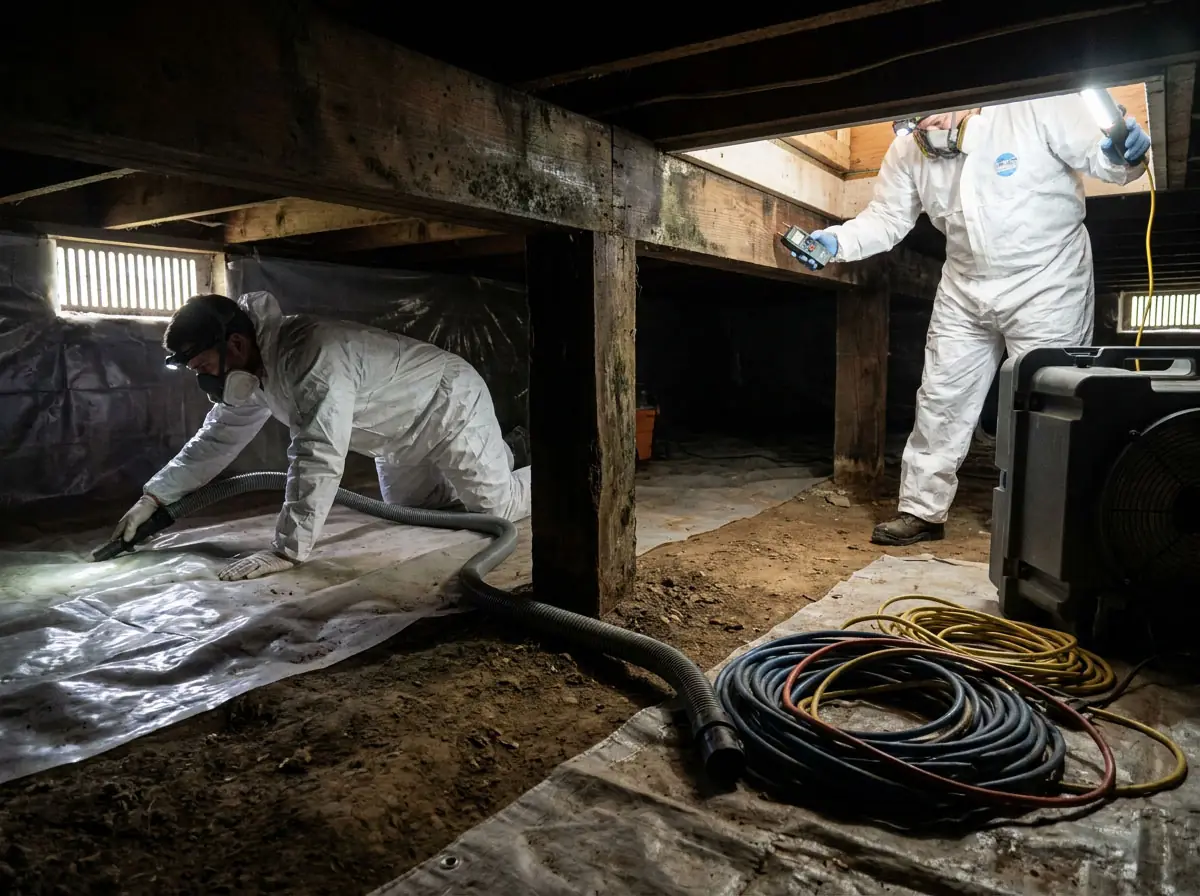
Crawl Spaces and Attics: Seattle's Damp Danger Zones
Seattle's relentless rain turns crawl spaces and attics into secret mold factories. Poor ventilation traps humidity from our foggy winters. You might never venture down there, but pros crawl in with lights and meters to expose the rot.
Here's what they hunt for:
- Vapor barriers torn or missing, letting ground moisture rise like a sponge.
- Wood rot from leaky roofs or pipes, feeding black mold colonies.
- Insulation soaked through, dropping spores into your living areas.
One quick attic peek revealed stachybotrys – the toxic stuff – behind sagging soffits in a Queen Anne home. Skip these spots at your peril. Pros seal them up before health bills skyrocket.
Case Study: Unearthing Toxic Mold in a Ballard Bungalow
Picture this: A young family in a cozy Ballard bungalow calls us after heavy Seattle rains. They noticed water stains on the ceiling and a weird earthy smell. Quick wipe-down and fans? That was their fix.
Our team arrives for a full mold inspection Seattle sweep. Moisture meters ping high behind the drywall. Thermal imaging lights up a hidden hotspot in the wall cavity.
Deep Dive Revelations
- HVAC ducts? Loaded with airborne spores.
- Air sampling clocks spore counts at 5,000 per cubic meter – way over safe levels.
- Surface swabs confirm Stachybotrys, the infamous toxic black mold.
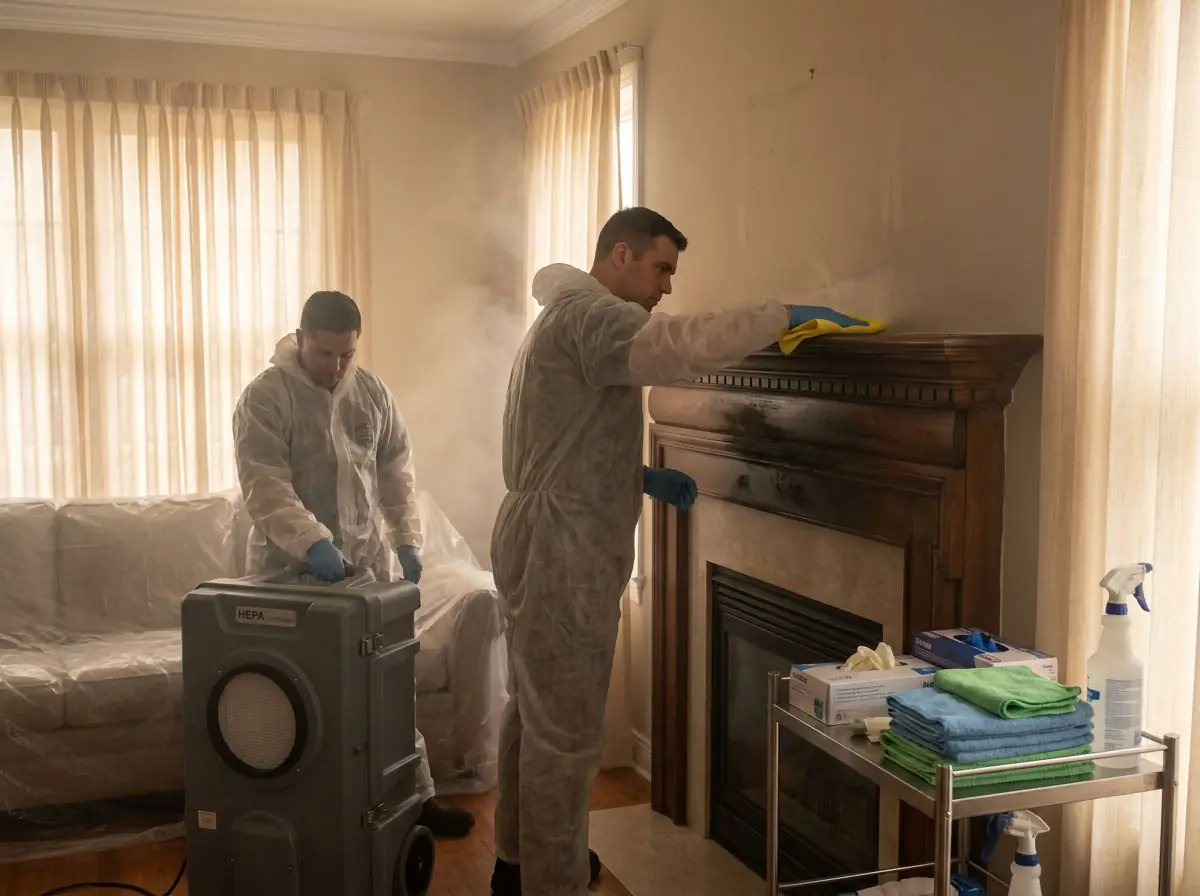
Crawl space check seals the deal. Damp insulation breeding ground. We gutted the affected areas, treated with HEPA vacs, and restored safe air quality.
Family dodged health hits like allergies and worse. Home value? Preserved. Lesson here: Skip DIY. Call pros before that bungalow turns bungalow of horrors.
Final Thoughts
Spotting mold isn't a game of hide-and-seek you win with a flashlight and bleach. Pros catch what lurks out of sight, saving you from health hits and repair bills that skyrocket.
Skip the guesswork. Book a mold inspection in Seattle today and breathe easy knowing your home's secrets are exposed.
- Hidden moisture? Detected.
- Toxic spores? Counted.
- Future headaches? Prevented.
Your family's health and home deserve the full pro treatment. Don't wait for the musty smell to turn into a nightmare.
People Also Ask
How much does a mold inspection cost in Seattle?
Professional mold inspections in Seattle typically range from $300 to $800, depending on the home size and testing scope. Factors like thermal imaging or air sampling can increase costs but provide comprehensive results you can't get from DIY kits. For accurate pricing, contact local experts who offer free initial assessments tailored to Seattle's damp climate.
Can I do a mold inspection myself in Seattle?
DIY mold tests are available but often miss hidden moisture sources and accurate spore counts that pros detect with specialized tools. In Seattle's humid environment, self-inspections overlook HVAC systems and crawl spaces prone to mold growth. Hiring certified inspectors ensures reliable detection and avoids health risks from toxic black mold.
How long does a professional mold inspection take in Seattle?
A standard mold inspection in Seattle lasts 2-4 hours for most homes, including visual checks, moisture readings, and sampling. Larger properties or those with attics and crawl spaces may require up to a full day for thorough thermal imaging and HVAC analysis. Results are usually available within 24-48 hours after lab processing.
What happens after a mold inspection finds issues in Seattle homes?
If mold is detected, pros provide a detailed report with remediation recommendations, often including removal plans compliant with Washington state regulations. Seattle's wet weather accelerates growth, so immediate action like dehumidification and repairs prevents recurrence. Certified companies handle safe cleanup to protect your family's health.
Why is mold inspection crucial in Seattle's climate?
Seattle's frequent rain and high humidity create ideal conditions for hidden mold in walls, ducts, and attics that homeowners miss. Professional inspections use tools like moisture meters and thermal cameras to uncover issues before they spread airborne spores. Early detection saves on costly repairs and safeguards against respiratory health problems common in the Pacific Northwest.

Bob Bently is a fire/water/mold cleaning specialist with over 11 years of experience serving residential and commercial buildings in Seattle, WA. He focuses on restoration after water damage, fire, and mold remediation tailored to the local climate. His expertise helps Seattle property owners address these challenges effectively.
Need Water Damage?
Swift water damage restoration in Seattle, WA and nearby areas (98101, 98109, 98121, 98004, 98033), drying properties fast to minimize mold and structural loss.
Get Water Estimate