


⚡ TL;DR: Discover how to spot, assess, and repair or replace water-damaged hardwood floors in Seattle homes, with steps suited to our moisture-prone climate.
📋 What You’ll Learn
In this guide to hardwood floor water damage in Seattle, you'll discover how to spot issues early, respond effectively, assess repair options, and decide whether to save or replace your floors in our damp climate.
- Spot early signs of water damage like cupping, buckling, and discoloration on Seattle hardwood floors caused by leaks, floods, or high humidity in rainy weather.
- Master immediate response steps to minimize harm from spills or bursts, including water extraction, drying techniques, and when to avoid walking on affected areas.
- Evaluate DIY vs. professional inspection to determine if warped floors can be salvaged or need full replacement based on damage depth and wood type.
- Explore repair techniques for Seattle homes from sanding and refinishing to moisture barriers, plus real case studies of successful rescues in local bungalows.
📖 Reading time: 7 min
✍️ Author expertise: Seattle water damage pro with 15 years restoring hardwood floors from real field experience.
You step into your Seattle home after dodging another downpour, only to spot dark stains creeping across your gleaming hardwood floors from a rogue pipe burst.
Your stomach drops. That investment in beauty and warmth now looks like a swollen, warped mess staring back at you.
Here's the million-dollar question every homeowner dreads: can you salvage those floors, or is replacement the only road forward?
Keep reading to uncover the telltale signs, smart inspection steps, and pro tips tailored for Seattle's wet climate that could save you thousands.
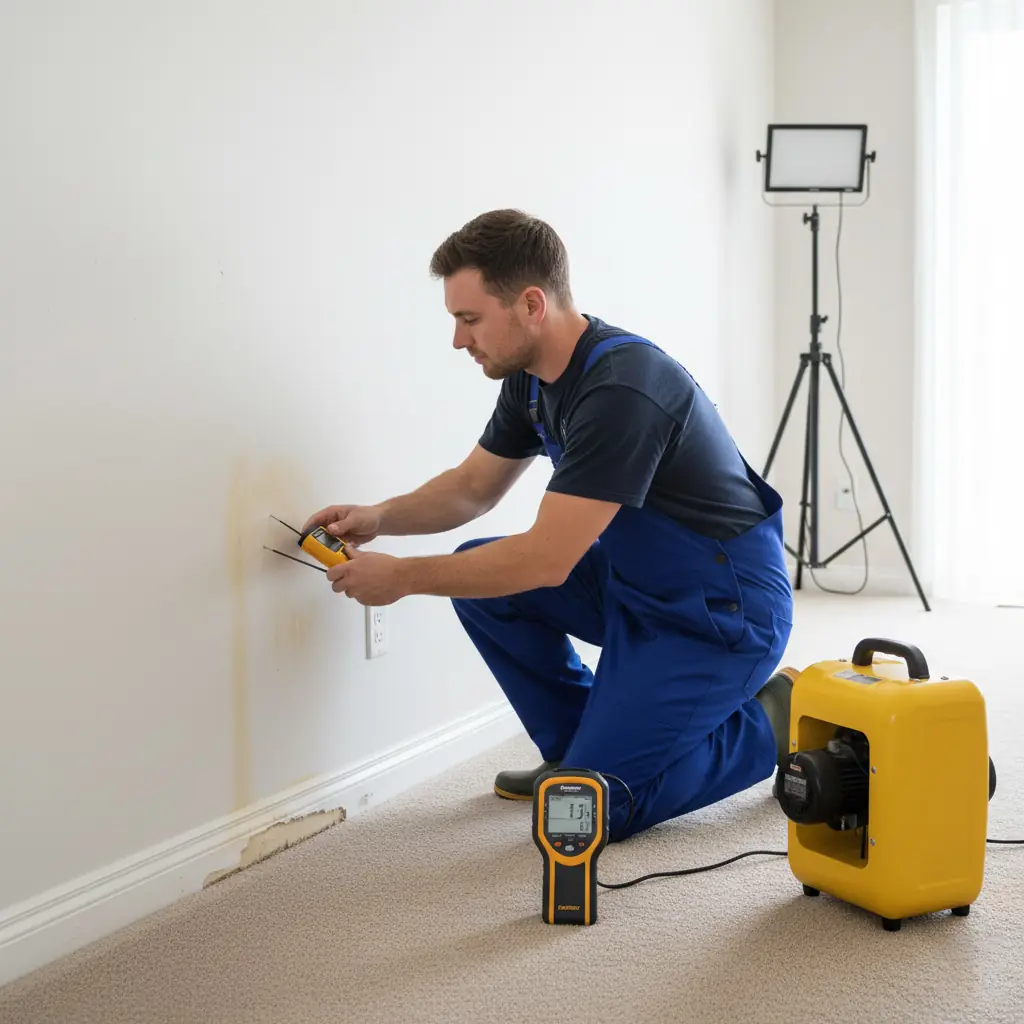
Spotting the Signs: How Water Damage Affects Hardwood Floors in Seattle Homes
Water hits hardwood like a freight train. Those prized oak or maple planks start showing trouble fast. Look for dark spots or discoloration first - that's moisture soaking in from below.
Cupping comes next. Edges lift up, middle sinks down, like the floor's trying to escape. In Seattle's endless rain, this hits harder with poor ventilation or hidden leaks.
Red Flags You Can't Ignore
- Warping or buckling: Boards push up or twist out of shape. Severe cases mean they're fighting each other.
- Soft spots: Press down and it gives - wood fibers breaking apart inside.
- Musty smells: That dank odor signals mold lurking underneath. Act quick or it spreads.
- Gaps widening: Between boards? Humidity swings make them shrink then swell unevenly.
Ignore these at your peril. What starts as a stain turns into a full floor failure. Seattle's damp air keeps the damage marching if you wait.
First Response: Essential Steps to Minimize Damage from Leaks and Floods
Time is your enemy here. The second you spot water pooling under your hardwood floors in Seattle, shut off the main water valve. Every minute counts before swelling sets in.
Quick Action Checklist
- Wipe up standing water with towels right away. Skip the vacuum unless it's a wet-dry model.
- Prop up furniture and rugs to block more moisture spread.
- Run fans or a dehumidifier to push air across the surface. Open windows if it's dry outside.
Avoid walking on the wet area. Your footsteps grind grit into the wood and speed up warping. Call a local water damage pro in Seattle now for infrared scanning to find hidden moisture pockets.
Patience kills floors. These steps buy you time, but pros with industrial gear spot issues DIY misses. Act fast, and you might dodge a full refinish.

DIY vs. Pro Inspection: Assessing If Your Floors Can Be Saved
Grab a flashlight and get down on your knees. That first DIY peek tells you plenty about your hardwood's fate.
Look for cupping where edges lift like a bad perm. Feel for soft spots or a spongy give underfoot.
Quick DIY Inspection Checklist
- Peel back area rugs to hunt hidden swelling.
- Press a corner of a plank; if it creaks loose or won't snap back, damage runs deep.
- Sniff for musty odors signaling mold below the surface.
DIY works for minor spots, like a small leak caught fast. But skip it if water sat over 48 hours or you see black streaks.
Hand It to the Pros When...
- Warping spans multiple rooms.
- You spot delamination - layers peeling apart.
- Subfloor feels mushy, hinting at rot.
Pros wield moisture meters that read exact levels. They drill tiny test holes invisible after repair, spotting issues your eyes miss.
One wrong call, and you pour cash into doomed boards. Better safe with Seattle's endless rain testing every seam.
Key Factors: When to Repair vs. Fully Replace Warped Hardwood
Deciding between repair and replace boils down to a few brutal truths. How long did the water sit? A quick leak might mean salvation. But days of soaking? That's often game over.
Repair Makes Sense If...
- Warping is mild - cups under 1/8 inch deep.
- No mold or rot in the subfloor.
- Engineered hardwood, not solid slabs prone to splitting.
- Caught within 48 hours - pros can often dry and flatten it.
These cases scream "save it." I've seen floors bounce back looking brand new, slashing costs by 70%.
Replace Without Hesitation When...
- Deep buckling or gaps wider than a quarter.
- Black mold spots or that musty stench.
- Water hit from below, like a slab leak.
- Finish delaminates, exposing raw wood to Seattle's endless damp.
Dragging your feet here? You're just pouring money into a lost cause. New floors beat endless callbacks every time.
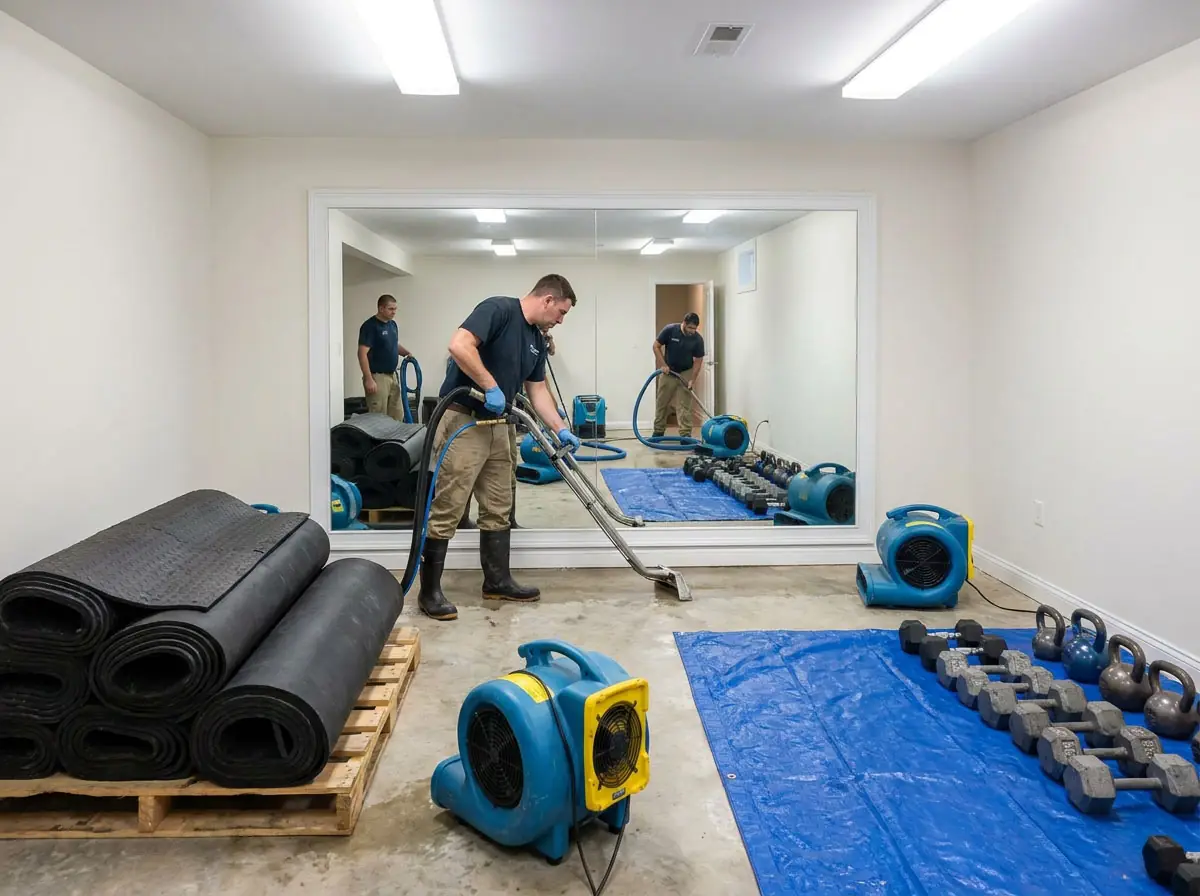
Proven Repair Techniques for Seattle's Moisture-Prone Climate
Caught it quick? Good. In Seattle's endless drizzle, rapid drying is your first line of defense before warp sets in deep.
Step-by-Step Drying That Works
- Remove standing water with wet vacs and fans right away. Skip the steam cleaners; they push moisture deeper.
- Run industrial dehumidifiers 24/7. Aim for under 12% moisture content before any sanding.
- Monitor with moisture meters. Pros hit every board to dodge hidden cupping.
Once dry, sanding smooths the buckling. We belt-sand high spots, then screen the whole floor for evenness. No shortcuts here; uneven floors crack under foot traffic fast.
Refinishing seals it all. Water-based polyurethanes flex with our humidity swings, unlike brittle oil finishes that yellow and fail. One coat penetrates, two more protect. Your floors bounce back tougher than before.
Case Study: Rescuing Water-Damaged Hardwood in a Capitol Hill Bungalow
Picture this: A cozy 1920s bungalow in Capitol Hill. Rain hammered the roof during a brutal Seattle storm. A second-floor leak from old pipes soaked the oak hardwood below for 48 hours straight.
By the time owners called us, floors cupped badly. Boards had lifted a full inch in spots. Cupboards warped against baseboards. Total nightmare.
The Rescue Plan
We hit the ground running. First, we pulled up the worst sections for drying. Fans and dehumidifiers ran 24/7. No shortcuts.
- Day 1: Extracted water, assessed moisture levels with meters.
- Day 3: Sanded high spots after subfloors dried to 12% moisture.
- Day 7: Refinished with water-resistant polyurethane tuned for Seattle humidity.
Owners held their breath. But eight weeks later? Floors flat as new. Cost: Half of full replacement. They saved their vintage charm and their wallet.
Final Words: Protect Your Investment and Next Steps for Seattle Homeowners
Your hardwood floors deserve better than sitting ducks in Seattle's endless rain. Act fast on leaks. Prevention beats repair every time.
Here are quick wins to shield your floors:
- Install plumb bobs under sinks for early leak alerts.
- Seal gaps around pipes with silicone caulk.
- Use area rugs in high-traffic spots, lift them during mops.
- Run dehumidifiers in basements year-round.
Spot damage? Skip the guesswork. Grab your phone and call water damage pros now. Check our Hardwood Floor Water Damage page for Seattle-specific fixes that save floors and sanity.
One call could turn disaster into a dry win. Don't wait for the next storm.
People Also Ask
Can water-damaged hardwood floors in Seattle be saved or do they need replacement?
In many cases, hardwood floors affected by water damage can be saved if addressed quickly, especially minor leaks common in Seattle's rainy climate. Professional assessment determines if drying, sanding, and refinishing suffice or if cupping and warping necessitate full replacement. Early intervention by experts maximizes salvage chances and prevents mold growth.
How do I know if my hardwood floors can be repaired after water damage?
Inspect for superficial cupping, minor discoloration, or buckling that responds to controlled drying; these often indicate repairability. Deep saturation causing delamination or mold beneath the surface typically requires replacement. Consult Seattle water damage pros for moisture readings and structural checks to decide accurately.
How long does it take to dry water-damaged hardwood floors in Seattle?
Drying time varies from 3-7 days for surface water to several weeks for subfloor saturation, influenced by Seattle's humid conditions. Industrial fans and dehumidifiers speed the process under professional supervision. Rushing drying risks further warping, so monitor with moisture meters.
What causes hardwood floor water damage in Seattle homes?
Common culprits include roof leaks, burst pipes, and appliance failures, exacerbated by Seattle's frequent rains infiltrating poor seals. High humidity and flooding from nearby Puget Sound storms accelerate moisture intrusion. Proactive maintenance like sealing gaps prevents most issues.
How much does it cost to repair vs. replace water-damaged hardwood in Seattle?
Repair costs range from $3-$7 per square foot for drying and refinishing, while replacement averages $8-$15 per square foot including new materials. Factors like damage extent and floor type influence totals in Seattle's market. Get multiple quotes from local specialists for the best value.

Bob Bently is a fire, water, and mold cleaning specialist with over 11 years of experience serving residential and commercial buildings in Seattle, WA. His expertise includes water damage restoration and mold remediation tailored to the Pacific Northwest's challenging climate. Bob focuses on delivering thorough cleaning solutions for Seattle property owners.
Need Water Damage?
Swift water damage restoration in Seattle, WA and nearby areas (98101, 98109, 98121, 98004, 98033), drying properties fast to minimize mold and structural loss.
Get Water Estimate