


⚡ TL;DR: This guide explains fire damage restoration in Seattle homes, from assessing damage and ensuring safety to cleaning smoke and soot, structural repairs, and rebuilding, with a Capitol Hill case study.
📋 What You’ll Learn
In this Seattle fire damage restoration guide, you’ll learn how to assess damage, secure your home, master the restoration process, handle complex residues, and rebuild resiliently after a blaze.
- Assess fire damage effectively by spotting hidden structural issues, smoke penetration, and water damage unique to Seattle homes for accurate restoration planning.
- Prioritize post-fire safety through securing properties, removing hazards, and coordinating pros to protect families and prevent secondary disasters immediately.
- Navigate the restoration process step-by-step from initial cleanup and drying to full reconstruction, optimized for Seattle's wet climate challenges.
- Combat smoke, soot, and water with specialized techniques to erase odors, clean surfaces, and stop mold growth from firefighting efforts.
- Rebuild stronger and smarter via structural repairs, quality upgrades, and lessons from a Capitol Hill case study for lasting home resilience.
📖 Reading time: 8 min
✍️ Author expertise: Seattle water damage pro with 15+ years hands-on fire restoration experience.
A blaze rips through your Seattle home in the dead of night, leaving behind a charred mess of twisted metal, soot-covered walls, and that acrid smoke smell clinging to everything you own.
You stare at the wreckage, heart pounding, wondering if you'll ever feel safe under that roof again. Rushing into cleanup without a plan? That's a recipe for bigger headaches, mold outbreaks, and skyrocketing repair bills.
Fire damage restoration in Seattle demands a smart, proven approach to salvage what's left and rebuild stronger than before. Keep reading to uncover the exact steps that turn disaster into recovery.

Assessing Fire Damage: What to Look For in Your Seattle Home
First things first: stay out until pros declare it safe. Seattle's frequent rains can turn fire scenes into slippery hazards fast. One wrong step, and you're dealing with injuries on top of the blaze.
Spot the Obvious Wreckage
Walk the perimeter if possible. Check for warped doors, cracked foundations, or sagging roofs. In older Seattle neighborhoods like Capitol Hill, wood frames hide weakness behind char.
- Buckled walls or floors signaling structural shifts.
- Collapsed ceilings from heat or water weight.
- Melted siding or windows that scream heat exposure.
Hunt Hidden Threats
Smoke sneaks into walls, attics, even HVAC systems. Soot eats at metals and stains everything porous. Water from sprinklers or hoses soaks insulation, breeding mold in our damp climate.
Peek for yellowed outlets, blistered paint, or that stubborn smoke odor. Test for power issues. Miss these, and small fixes balloon into total gut jobs.
Prioritizing Safety: Securing Your Property Post-Fire
Your home just survived a fire. The last thing you want is another disaster waiting to strike.
Rush in blind, and you risk collapse, shocks, or toxic fumes. Pros in fire damage restoration Seattle handle this first, every time.
Shut Down the Big Risks Right Now
- Power off: Flip the main breaker or call Puget Sound Energy. Live wires hide in wet, sooty walls.
- Gas lines: Close valves. One leak, and boom—your nightmare restarts.
- Water supply: Shut it down. Seattle's drizzle turns puddles into slip hazards fast.
Board up doors and windows next. Keeps out looters and the endless PNW rain that breeds mold overnight.
Grab your phone. Call a certified crew before touching anything. They spot hidden dangers you miss—like weakened beams ready to buckle.

The Step-by-Step Fire Damage Restoration Process
Once safety's locked down, we roll up our sleeves for the heavy lifting. This isn't guesswork. It's a battle-tested sequence that gets your Seattle home back on its feet fast.
Step 1: Full Damage Assessment
Our crew hits the ground running with thermal imaging and moisture meters. We map every hidden hotspot. No stone left unturned, from warped beams to lurking water pockets.
- Document everything for insurance claims.
- Prioritize high-risk areas like electrical systems.
- Create a custom restoration blueprint.
Step 2: Debris Removal and Initial Cleanup
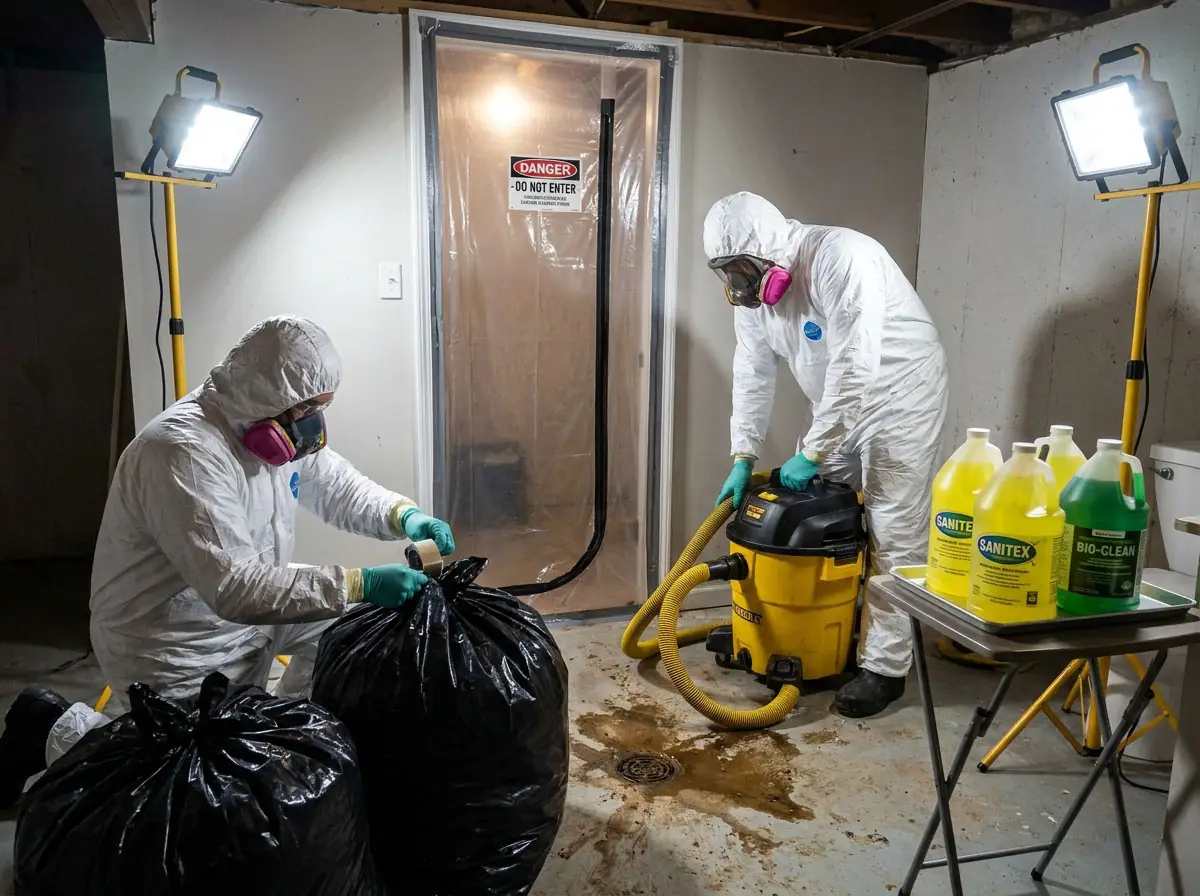
Boarded-up windows? Charred furniture? Gone in hours. We haul out the wreckage using industrial vacuums and air scrubbers to trap soot particles mid-flight.
Next up: aggressive smoke neutralization. Seal off the site. Fog the air with hospital-grade cleaners. Watch that stubborn stench vanish for good.
Step 3: Drying and Structural Stabilization
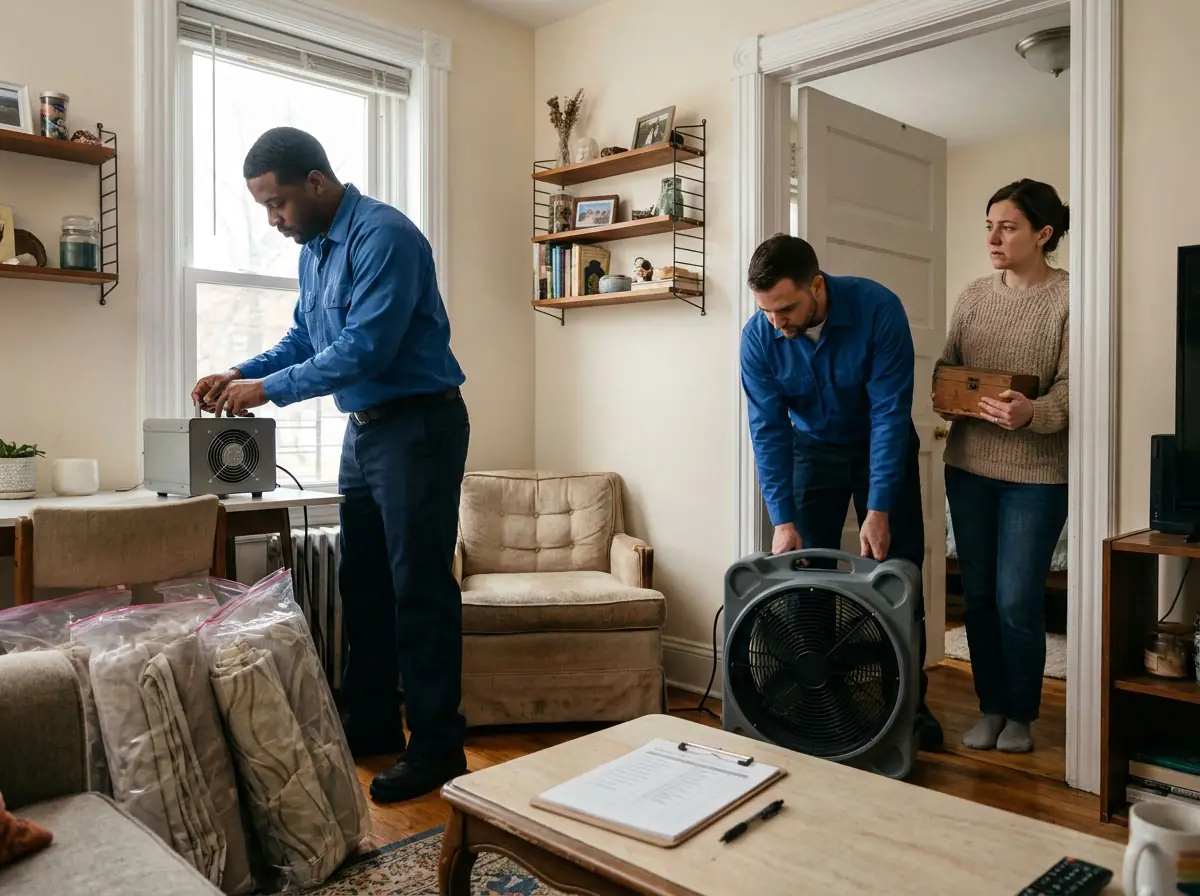
Fire sprinklers or hoses leave a soggy mess. We deploy dehumidifiers and axial fans to yank out moisture before mold crashes the party.
Reinforce sagging roofs or walls with temporary bracing. Test load-bearing elements. Only then do we green-light full reconstruction.
Handling Smoke, Soot, and Water Damage from Suppression Efforts
Smoke and soot don't just blacken surfaces. They burrow deep into fabrics, drywall, and HVAC systems, turning acidic and corrosive over time. Left unchecked, they eat away at your home's structure.
Tackling Smoke and Soot Like Pros
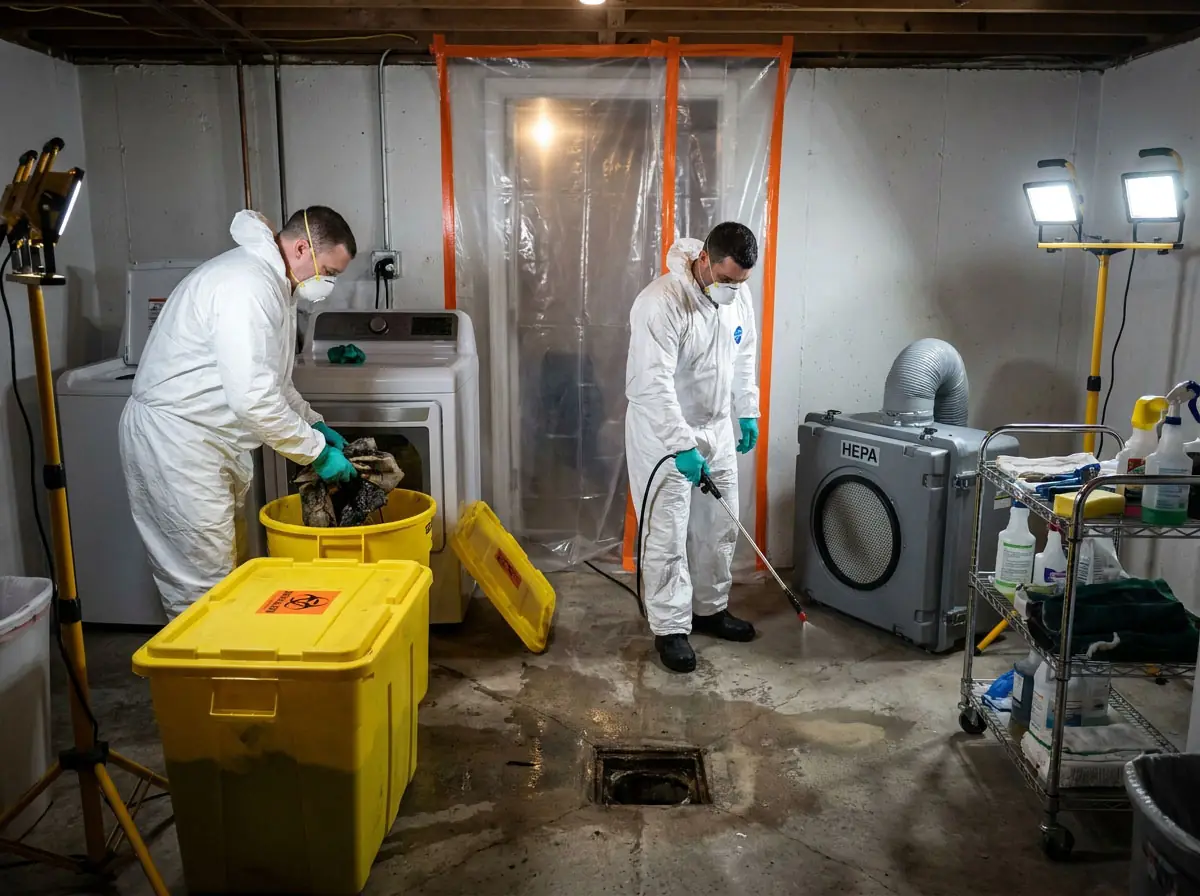
First, we seal off the area to stop soot from spreading. Then, specialized vacuums with HEPA filters suck up the bulk.
- Apply dry cleaning sponges for walls and ceilings - they lift soot without smearing.
- Scrub hard surfaces with degreasing agents tailored for fire residue.
- Run air scrubbers 24/7 to trap microscopic particles and neutralize odors.
For that stubborn smoke smell? Thermal fogging blasts odor counteractants into every crevice, mimicking smoke to bond and eliminate it.
Water Woes from Firefighting Hoses
Fire suppression saves lives but floods your floors. Standing water breeds mold in Seattle's damp climate faster than you think.
We extract water with powerful truck-mounted pumps right away. Industrial dehumidifiers and air movers dry out hidden spots like crawlspaces and attics.
Monitor moisture levels with thermal imaging. Treat any salvageable items to prevent rot - your family photos and furniture deserve a fighting chance.
Rebuilding Stronger: Structural Repairs and Reconstruction
Once the smoke clears and soot's gone, the real work kicks in. Your home's bones—beams, foundation, roof—might look okay on the surface. But hidden cracks or weakened spots can turn a solid rebuild into a nightmare down the road.
Start with a pro inspection. We scan every inch using thermal imaging and structural engineers to spot issues no one else catches. In Seattle's wet climate, fire-weakened wood invites rot fast if ignored.
Key Rebuild Steps That Last
- Reinforce framing: Swap charred studs with fire-rated lumber or steel for extra toughness.
- Upgrade insulation: Go for non-combustible materials that block heat and cut energy bills.
- Roof overhaul: New underlayment and shingles built to handle our rainy winters and occasional wildfires.
Reconstruction isn't just patching holes. It's designing for the future—smarter electrical, better ventilation, all up to Seattle's strict codes. Your home comes back tougher, safer, ready for whatever hits next.
Case Study: Reviving a Capitol Hill Residence After a Devastating Blaze
Picture this: A cozy 1920s bungalow in Capitol Hill. Kitchen grease fire sparks at 2 a.m. Flames gut the first floor before firefighters douse it.
Homeowners return to blackened walls, warped floors, and that stubborn smoke stench everywhere. Insurance adjuster calls it a total loss. They call us instead.
Day 1: Damage Dive
- Soot coats every surface, hiding structural cracks.
- Suppression water soaks insulation, breeding mold risk.
- Hidden fire pockets smolder in walls.
We tarp it tight. Air movers kick in. No shortcuts.
Week 2: Gut and Rebuild
Strip out charred studs. Test air for toxins. Then reinforce with fire-rated drywall.
New wiring, plumbing, HVAC. Floors leveled. Kitchen reborn bigger, smarter.
Three months later? Family back home. Zero smoke smell. Property value up 15%.
They host their first dinner party there last weekend. Proof positive: Right moves beat giving up every time.
Final Words
Fire hits hard in Seattle's rainy climate. One wrong move, and you're battling mold on top of soot. Call pros right away to dodge that nightmare.
We've pulled homes back from the brink time and again. Your story doesn't end in ashes. It restarts with the right crew handling every detail.
- Spot damage fast: Check hidden spots like attics and crawlspaces.
- Prioritize safety: Shut off utilities before stepping inside.
- Trust experts: Dive into our Fire Damage Restoration services for a no-BS recovery plan.
Act now. That charred frame? It'll stand taller tomorrow.
People Also Ask
How long does fire damage restoration take in Seattle?
Fire damage restoration in Seattle typically takes 3-7 days for initial mitigation, but full reconstruction can extend to several weeks depending on the damage extent and home size. Factors like smoke residue removal and structural repairs influence timelines. Our Seattle team prioritizes swift action to minimize disruption and restore your property efficiently.
What is the cost of fire damage restoration in Seattle?
Average costs for fire damage restoration in Seattle range from $3,000 to $20,000+, varying by damage severity, square footage, and needed repairs. Insurance often covers most expenses after your deductible. Contact our local experts for a free assessment to get an accurate quote tailored to your situation.
Does homeowners insurance cover fire damage restoration in Seattle?
Yes, most standard homeowners insurance policies in Washington state cover fire damage restoration, including smoke, soot, and water damage from firefighting efforts. Coverage limits apply, so review your policy for specifics like dwelling and personal property protection. Our Seattle restoration pros assist with claims to ensure you maximize your benefits.
What should I do immediately after a fire in my Seattle home?
Prioritize safety by evacuating and contacting the Seattle Fire Department if not already done, then secure the property from further damage. Avoid entering until cleared by authorities and call a professional fire restoration service right away. We provide 24/7 emergency response in Seattle to board up, tarps, and begin mitigation promptly.
Can fire-damaged homes in Seattle be rebuilt stronger?
Absolutely, fire damage restoration in Seattle often includes upgrades like fire-resistant materials and improved structural integrity for enhanced resilience. Our process involves thorough assessments and modern rebuilding techniques compliant with local codes. Rebuild with confidence knowing your home will exceed pre-fire standards.

Bob Bently is a Fire/Water/Mold cleaning specialist with over 11 years of experience in residential and commercial buildings throughout Seattle, WA. He focuses on water damage restoration and mold remediation suited to the region's wet climate. As a local expert, Bob provides reliable services to Seattle homeowners and businesses.
Need Water Damage?
Swift water damage restoration in Seattle, WA and nearby areas (98101, 98109, 98121, 98004, 98033), drying properties fast to minimize mold and structural loss.
Get Water Estimate