

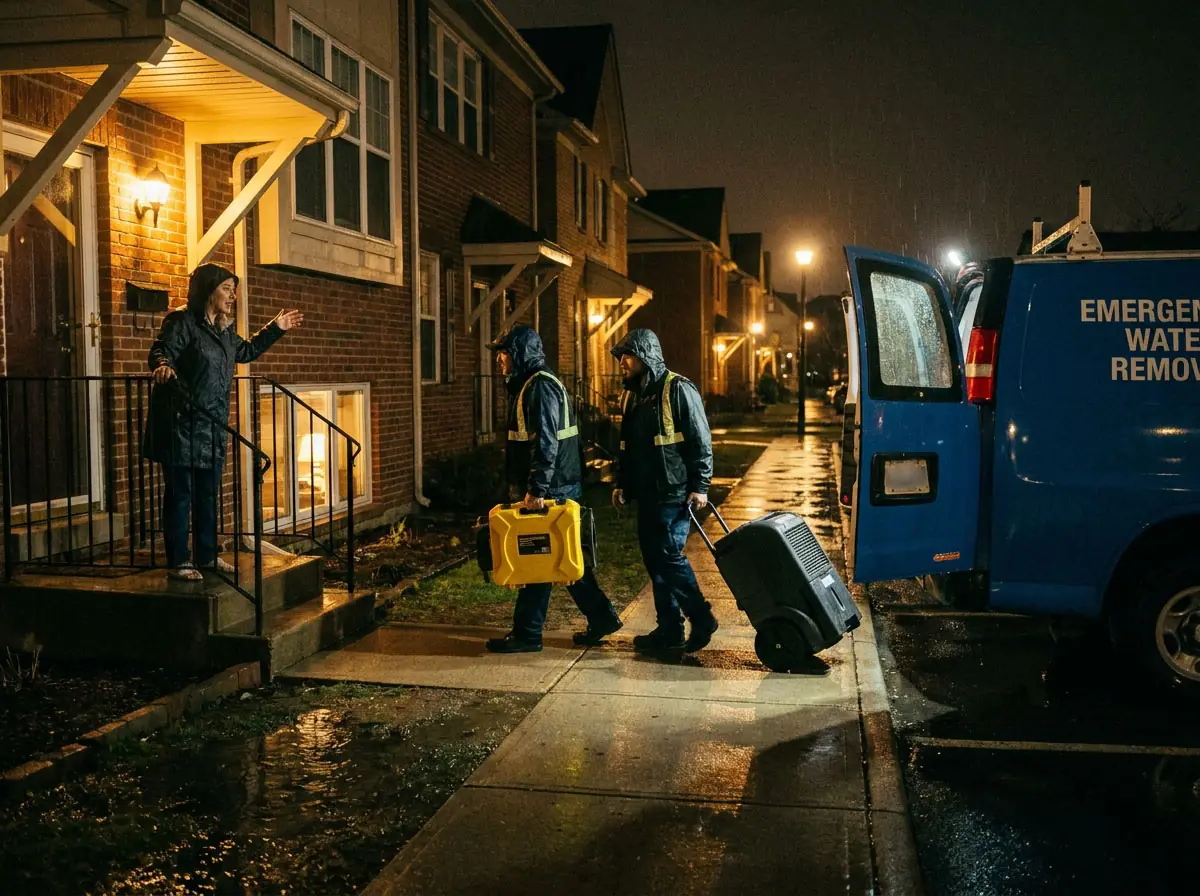


⚡ TL;DR: This guide outlines essential steps for emergency water damage restoration in Seattle homes, from safety checks and water extraction to drying techniques that combat our damp climate.
📋 What You’ll Learn
In this essential guide to emergency water damage response for Seattle homes, you'll learn proven steps to act fast, stop damage spread, document for insurance, and prevent mold in our wet climate.
- Master safety first in Seattle storms by evacuating, powering down, and assessing risks to protect your family and home from electrical hazards during sudden floods.
- Stop water at the source quickly through shutting off supplies, containing spreads, and using barriers to limit damage in pipes bursts or roof leaks common here.
- Document damage for insurance success with photos, videos, notes, and initial assessments that speed claims and help professionals evaluate Seattle-specific restoration needs.
- Extract and dry water effectively employing pumps, fans, dehumidifiers tailored for damp Seattle homes to halt mold growth and salvage structures swiftly.
- Avoid pitfalls via real case study from a Fremont bungalow rescue, revealing lessons on timing, tools, and local climate challenges for better outcomes.
📖 Reading time: 7 min
✍️ Author expertise: Seattle water damage pro with 20+ years of field experience restoring homes from storms and bursts.
It's 2 a.m. in Seattle, and your kitchen's underwater from a burst pipe fueled by that relentless Pacific Northwest rain. The water's rising fast, soaking cabinets, warping floors, and threatening your home's foundation if you don't act in the next hour. One wrong move, and mold sets in, turning a fixable mess into a six-figure nightmare.
Seattle homes take a beating from leaks, floods, and storms year-round, but most folks freeze up when disaster hits.
That's why you need a dead-simple emergency water damage response plan tailored for our soggy city. Keep reading to grab the step-by-step playbook that saves your house, your sanity, and your wallet.
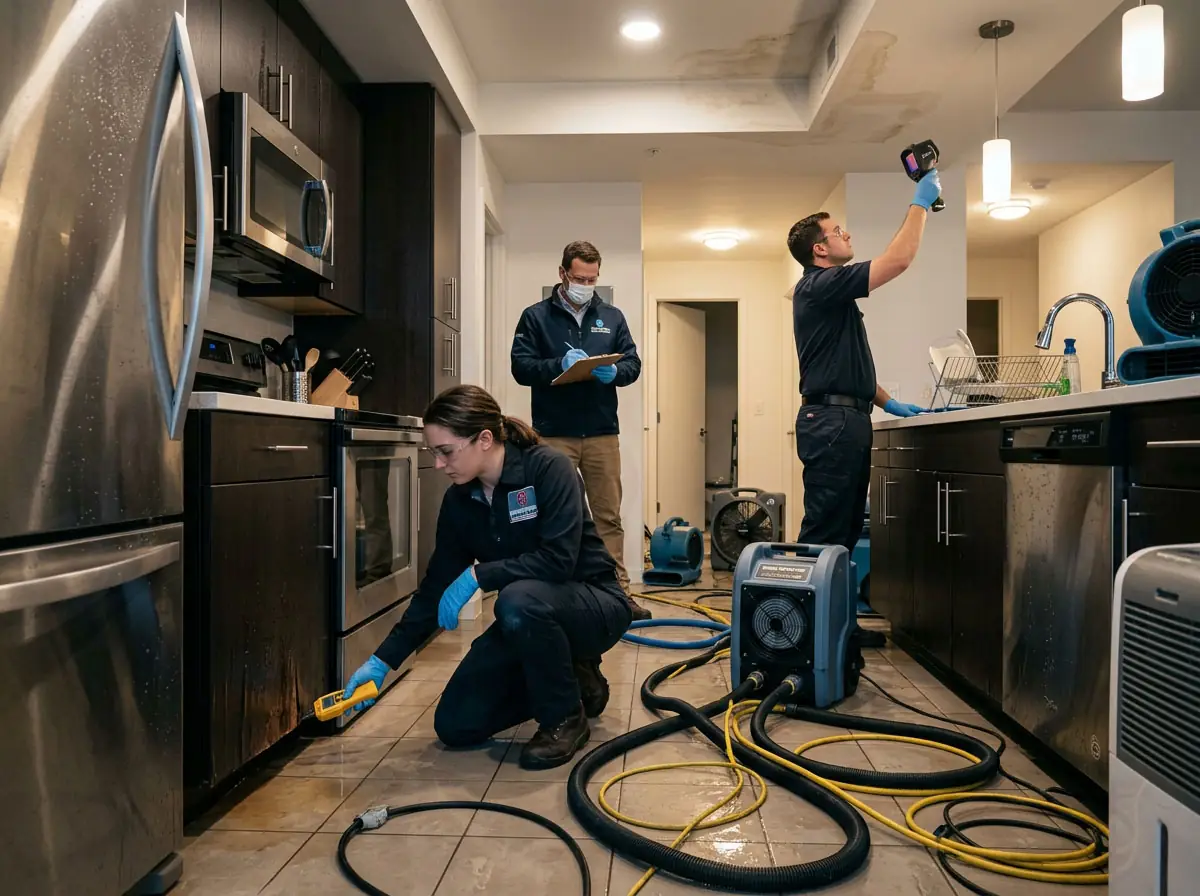
Step 1: Safety First – Evacuate, Power Down, and Assess Risks in Seattle Storms
Your life comes before your laminate floors. When water floods in during a Seattle downpour, get everyone out now. No heroics.
Standing water plus electricity equals deadly shocks. Flip the main breaker or call Puget Sound Energy to cut power at the meter. Skip the light switches; they spark.
Quick Risk Check for Seattle Homes
- Slippery floors? Grab shoes with grip before you slip and crack your skull.
- Gas smell? Open windows, exit, call 911. Leaks mix ugly with floods.
- Storm surge outside? Stay put if safer, but watch for rising creeks like those in Queen Anne.
Seattle's winter winds whip trees into power lines, so downed wires mean extra danger. Assess from a safe spot. Phone a pro like us only after you're clear.
Step 2: Stop the Source – Shut Off Water and Contain the Spread
Water's gushing. Your first job? Kill the flow right now. Every second counts before it hits electrical outlets or spreads to walls.
Find and Shut Off the Main Valve
- Basement or garage: Look for a big red or blue valve near the water line entry.
- Slab homes: Check outside near the water meter, often under a black plastic cover.
- No luck? Call Seattle Public Utilities at 206-684-3000 for your shutoff spot.
Twist it clockwise until tight. No water pressure means you nailed it. Test a faucet to confirm.
Now contain the mess. Grab every towel, bucket, and trash bag in sight. Block doors with them to trap water in one room.
Seattle's old pipes burst easy in freezes. Stuff rags into cracks. Lay down plastic sheeting if you have it. This buys time before pros arrive.

Step 3: Document Damage – Photos, Insurance, and Initial Assessment
Water's still sloshing around your Seattle floors. Grab your phone now. Snap photos and videos from every angle before you touch a thing.
Photos Beat "He Said, She Said" Every Time
Insurance adjusters love proof. Shoot wide shots of the whole mess, close-ups of warped hardwood, and saturated drywall. Timestamp everything.
- Top-down views of standing water.
- Damage to cabinets and appliances.
- Any hidden spots like under sinks or behind walls if safe.
Upload to cloud storage fast. Water wrecks phones too.
Call your insurance agent next. Spill the details: when, how much, what burst. They'll guide your claim and might send a pro.
Skip the panic. Jot a quick list of affected items. This initial assessment keeps you sharp for pros arriving soon.
Step 4: Extract Water Fast – Tools and Techniques for Seattle Homes
Water sits around too long in your Seattle home? It wrecks floors, soaks walls, and invites mold faster than you can say "damp basement." Grab your gear and suck that water out now - every minute counts.
DIY Extraction Tools That Work
- Wet/dry shop vac: The hero for carpets and hard floors. Rent one from Home Depot if you don't own it - empties gallons in minutes.
- Bucket brigade with towels: Mop up small floods. Wring into buckets, repeat like your house depends on it (it does).
- Submersible pump: For deep standing water in basements. Plug in outside, run a hose to the storm drain.
Pro technique: Start high, go low. Suck water from countertops first, then floors. In Seattle's old craftsman homes, watch for squeaky subfloors - lift rugs to hit the source.
Skip the fans yet. They spread moisture if water's still pooling. Get it bone-dry first, or you're just stirring up trouble.
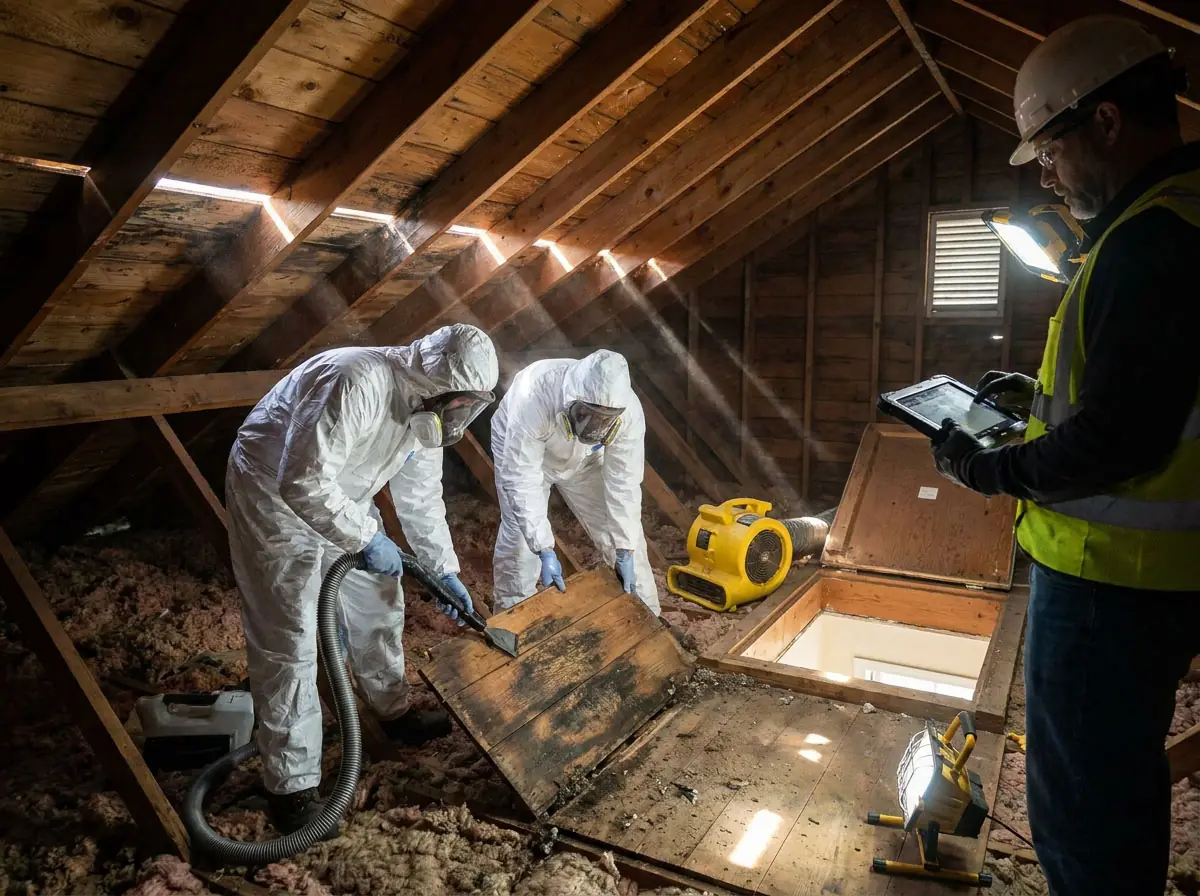
Step 5: Dry and Dehumidify – Prevent Mold in Our Damp Climate
Water out? Good. Now hit the drying phase hard. Seattle's constant drizzle means your home stays prime mold territory if you slack here.
Grab industrial fans and point them everywhere. Set up high-velocity air movers to blast moisture off walls, floors, and hidden spots like under cabinets.
- Position fans to create cross-breezes. Never stack them.
- Run them 24/7 until surfaces feel bone-dry to the touch.
- Pro tip: Angle them upward for better circulation in high ceilings.
Dehumidifiers: Your Mold-Killing Secret Weapon
Humidity in Seattle spikes fast after a flood. Skip the cheap box-store units; rent or call pros for commercial-grade dehumidifiers that suck 100+ pints a day.
Empty tanks hourly at first. Monitor with a cheap hygrometer, aiming for under 50% relative humidity.
Check daily for soft spots or musty smells. If drying drags past 48 hours, pros step in with thermal imaging to nail hidden dampness.
Seattle Case Study: Rescuing a Fremont Bungalow from Burst Pipe Catastrophe
Picture this: a cozy 1920s bungalow in Fremont. Freezing temps hit hard last winter. The main water line burst at midnight, flooding the basement and creeping up the stairs.
Homeowner Sarah panicked. Water ruined her vintage furniture and threatened the wood floors upstairs. She followed our steps: shut off the main valve, snapped photos, and called us at 1:15 a.m.
Our Rapid Strike
- Arrival in 45 minutes: Truck-mounted extractors sucked out 1,200 gallons overnight.
- Industrial fans and dehumidifiers fired up by dawn. No shortcuts on airflow in that damp Seattle air.
- Targeted drying hit walls and subfloors. Moisture meters guided every move.
By day three, zero moisture readings. No mold took hold.
Sarah's insurance covered 95% after our detailed report. Her bungalow? Back to normal in a week. Total cost saved: over $40,000 versus full demo and rebuild.
Final Words
Water damage waits for no one in Seattle. Hit these steps hard and fast next time disaster strikes. Your home stands a fighting chance.
But don't go it alone. Call pros right now for the heavy lifting—extraction, drying, full restoration. We've pulled Seattle homes back from the brink countless times.
Quick Action Checklist
- Evacuate. Power off. Shut off water.
- Snap photos. Call insurance.
- Extract water. Dry fast. Watch for mold.
Need backup? Dive into our Emergency Water Damage Restoration services. One call flips panic into control. Your move.
People Also Ask
What should I do first in a water damage emergency in my Seattle home?
Prioritize safety by evacuating the area, turning off electricity to wet areas, and avoiding contaminated water. Next, stop the water source if safe, like shutting off the main valve. Call a professional Seattle water damage restoration team immediately to prevent further damage and mold growth.
How fast does mold grow after water damage in Seattle's damp climate?
Mold can begin growing within 24-48 hours in Seattle's humid environment, especially after floods or leaks. Quick extraction and dehumidification are crucial to mitigate risks. Professional services use industrial-grade equipment to dry homes thoroughly and prevent health hazards.
Should I attempt DIY water extraction in my Seattle home?
DIY efforts with towels or shop vacs are insufficient for large-scale water damage and can spread contaminants. Professionals employ powerful pumps and extractors tailored for Seattle's older homes. Attempting it yourself risks incomplete drying and costly secondary damage.
What are common causes of emergency water damage in Seattle residences?
Heavy rains, burst pipes from freezing winters, and aging plumbing in bungalows are top culprits in Seattle. Storm surges and poor drainage exacerbate flooding issues. Early detection and rapid response from local experts minimize repair costs.
Do I need to document water damage for insurance in Seattle?
Yes, take timestamped photos and videos of the damage before any cleanup to support your claim. Contact your insurer promptly and keep receipts for mitigation efforts. Seattle restoration pros assist with detailed assessments to streamline the process.

Bob Bently is a Fire/Water/Mold cleaning specialist with over 11 years of experience serving residential and commercial buildings in Seattle, WA. He focuses on water damage restoration, fire cleanup, and mold remediation tailored to the local climate and urban environment. His expertise helps Seattle property owners address emergencies promptly and effectively.
Need Water Damage?
Swift water damage restoration in Seattle, WA and nearby areas (98101, 98109, 98121, 98004, 98033), drying properties fast to minimize mold and structural loss.
Get Water Estimate