
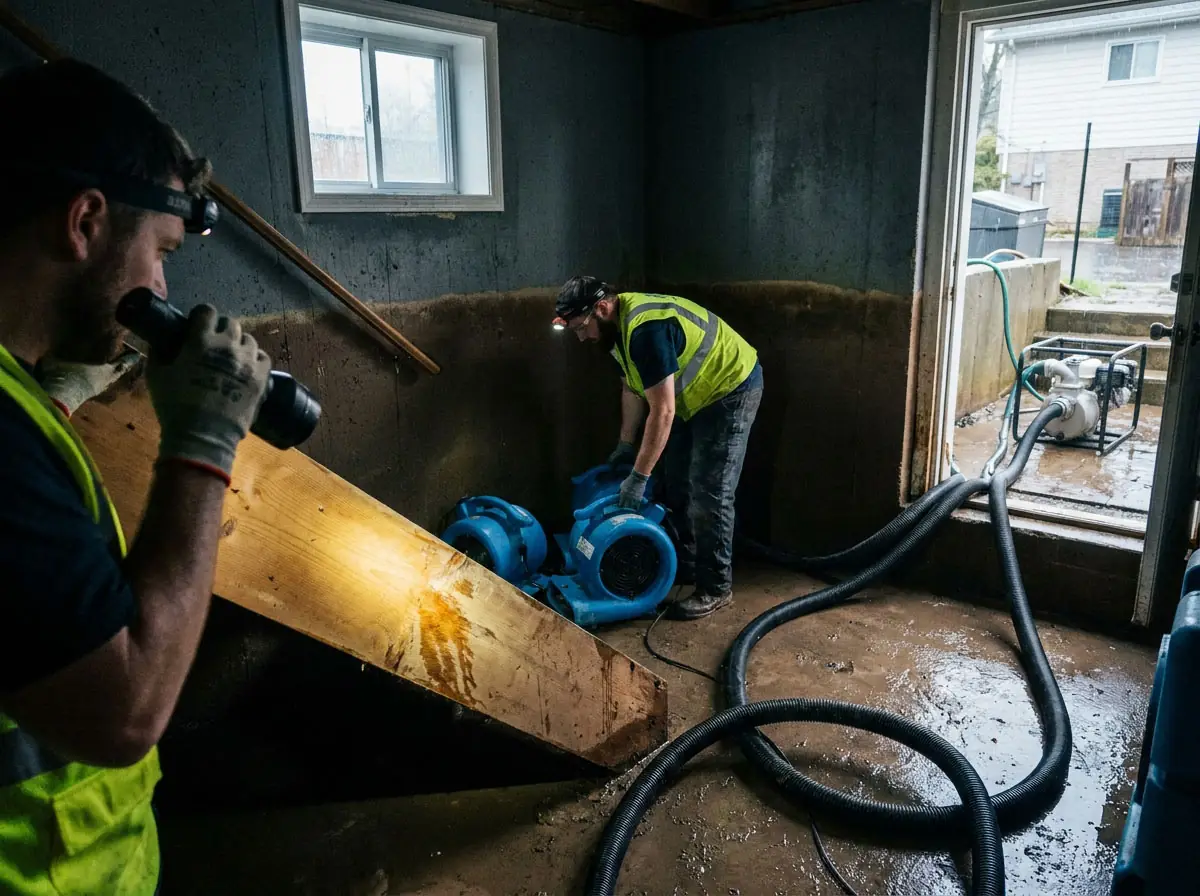


⚡ TL;DR: This guide simplifies drywall water damage repair in Seattle homes by detailing how to spot issues, ensure safety, perform precise cut-outs, dry thoroughly, and reinstall, with a Fremont case study.
📋 What You’ll Learn
In this Seattle guide to drywall water damage repair, you’ll learn to spot hidden issues, assess severity, prioritize safety, execute precise cuts, and restore walls that withstand our rainy climate.
- Spot hidden water damage early by recognizing subtle signs like discoloration, soft spots, and musty odors in Seattle’s damp homes before mold takes hold.
- Assess damage like a pro to decide between DIY fixes or calling experts, factoring in extent, location, and risks from our frequent Puget Sound rains.
- Prioritize safety essentials with gear, electrical precautions, and mold protocols to protect yourself during repairs in wet, hazardous Seattle basements and walls.
- Master precision cut-outs for removing soggy drywall without spreading contaminants, ensuring clean edges and minimal structural disruption in your home.
- Perfect drying and reinstallation techniques for bone-dry, durable walls that prevent future failures amid Seattle’s humid, rainy weather patterns.
📖 Reading time: 7 min
✍️ Author expertise: Seattle water damage pro with 12+ years restoring flood-hit homes from real fieldwork experience.
Water hits your Seattle home like clockwork—those relentless rains turn a minor leak into a drywall disaster overnight. You press the wall, and moldy moisture oozes out, threatening your family's health and your wallet. It's chaos, and guessing at fixes only makes it worse.
Most folks slap on paint or call the first cheap handyman, watching the problem bubble back twice as bad. In this soggy city, drywall water damage repair demands precision, not patches. Botch it, and you're staring at total sheetrock replacement.
I've seen it all in Seattle basements and attics, from burst pipes to roof failures. Here's the no-BS blueprint to cut out the guesswork and get your walls bone-dry for good—keep reading to nail it right the first time.
Spotting Hidden Drywall Water Damage in Seattle Homes
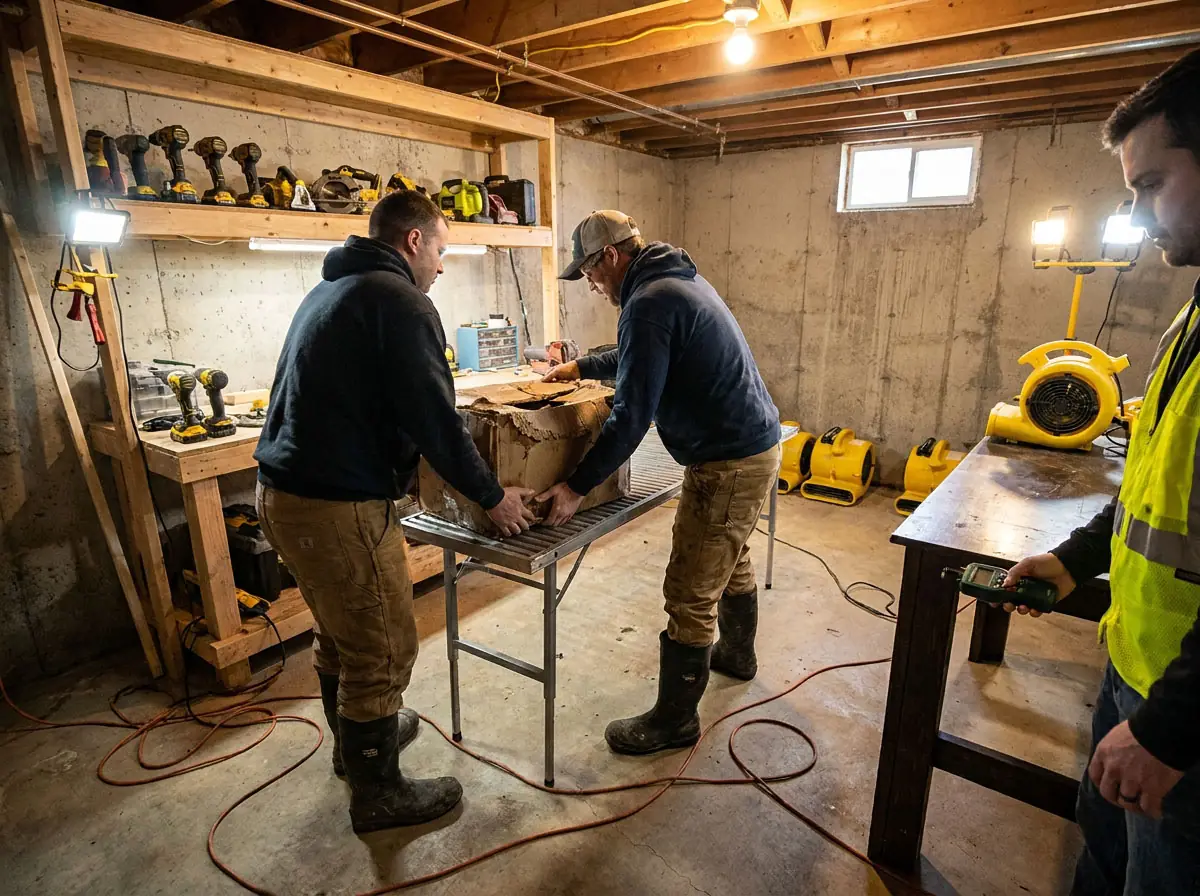
Seattle's endless drizzle sneaks water into walls before you notice. Look for brownish stains creeping up from baseboards or bubbling paint that peels like old wallpaper. Press the surface gently; if it dents under your finger, moisture's already deep inside.
Hidden damage hides in plain sight. Check behind heavy furniture, inside closets, or up in attics where roof leaks pool. That musty smell? It's mold throwing a party you can't see.
Grab a cheap moisture meter from any hardware store for the real test.
- Readings over 15% scream trouble.
- Yellow spots on the wall? Water wicked up from slabs.
- Sagging ceilings mean call pros now, before it crashes down.
Ignore these clues, and small spots turn into gut-jobs fast.
Assessing Damage Severity: When to Call Pros vs. DIY
Push that wall with your finger. Does it give like soggy bread, or stay firm? Yellow-brown stains, bubbling paint, or a musty whiff scream trouble.
Grab a moisture meter from the hardware store, cheap and dead simple. Readings over 17% mean wet drywall. Below that? Maybe you dodge a bullet.
DIY If It's Small and Fresh
- Leak contained to one small spot, under 2x2 feet.
- No mold visible, no electrical outlets nearby.
- Caught it quick, before 48 hours of soaking.
Patch it yourself then. But test surrounding areas. Water sneaks far in Seattle's damp walls.
Call Seattle Pros Now If...
Damage spreads beyond a single panel. Or you spot black mold fuzz. Structural sagging hits? Drop the tools.
- Water from roof, plumbing, or floods hit multiple rooms.
- High ceilings or attics where you can't reach safely.
- Any electrical humming or sparks nearby.
Pros bring infrared cameras to uncover hidden saturation. DIY guessers waste time and cash on half-fixes. One wrong cut, and mold explodes.
Safety First: Mold, Electricity, and Protective Gear Essentials
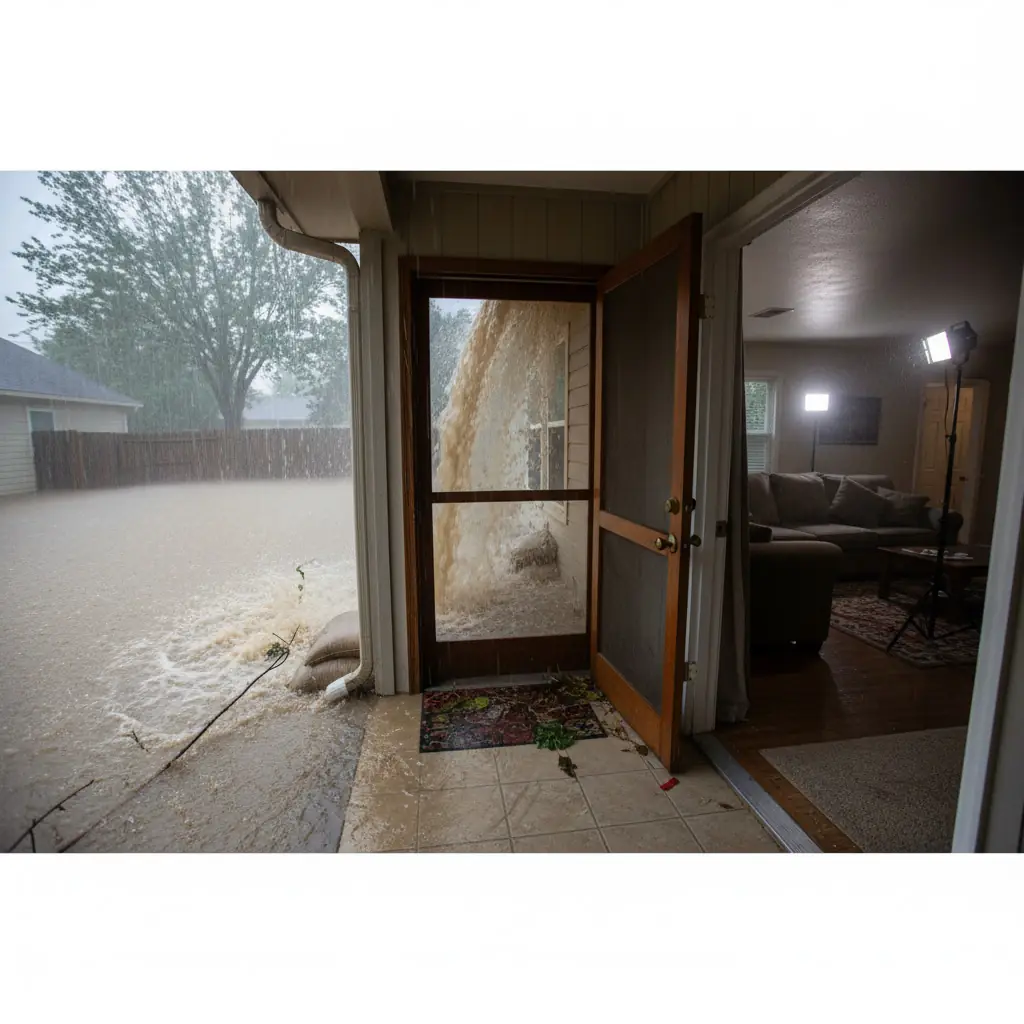
One wrong move with wet drywall, and you're breathing toxic spores or frying a circuit. Mold explodes in Seattle's damp air if you drag your feet. Electricity? Live wires behind soggy walls spark disasters fast.
Mold: The Silent Killer You Can't Ignore
Mold isn't just ugly black spots. It pumps out mycotoxins that wreck lungs, trigger allergies, and hit kids hardest. Cut into wet drywall without masks? You're inhaling a lungful of poison.
Electricity: Don't Touch That Switch
Wet walls conduct power like a dream. Flip a breaker wrong, and zap - you're grounded. Test with a non-contact voltage tester first. Shut off the main power if damage hits outlets or lights.
Gear That Keeps You Alive
- N95 respirator or better: Blocks 95% of airborne crud, no half-measures.
- Thick rubber gloves and goggles: Shields skin and eyes from splashes.
- Disposable coveralls: Keeps mold off your clothes and home.
- Decon shower setup nearby: Rinse off before you track spores everywhere.
Suit up every time. Skip it, and your "quick fix" lands you in the ER. Pros in Seattle swear by this kit - copy them.
Precision Cut-Out: Removing Wet Drywall Without Spreading Mold
Grab a utility knife or drywall saw. Score two feet above the water stain. That stops mold spores from flying everywhere when you yank out the soggy mess.
Mark It. Cut It. No Mercy.
- Draw a rectangle around the damage. Pencil lines, one foot past visible stains.
- Cut straight down both sides. Keep your blade steady, no jagged edges kicking up dust.
- Slice horizontally at the top and bottom. Wiggle the piece loose gently. Bag it fast in plastic.
Seattle's damp air loves to breed black mold in hidden spots. Miss this cut-out right, and you're breathing toxins. Pros use air scrubbers here; DIY? Open windows and wear an N95 mask.
Test the studs behind. If they're soft, carve deeper. Drywall tape seals the deal later, but only if you excise every wet scrap first.
Drying and Reinstallation: Bone-Dry Walls That Last
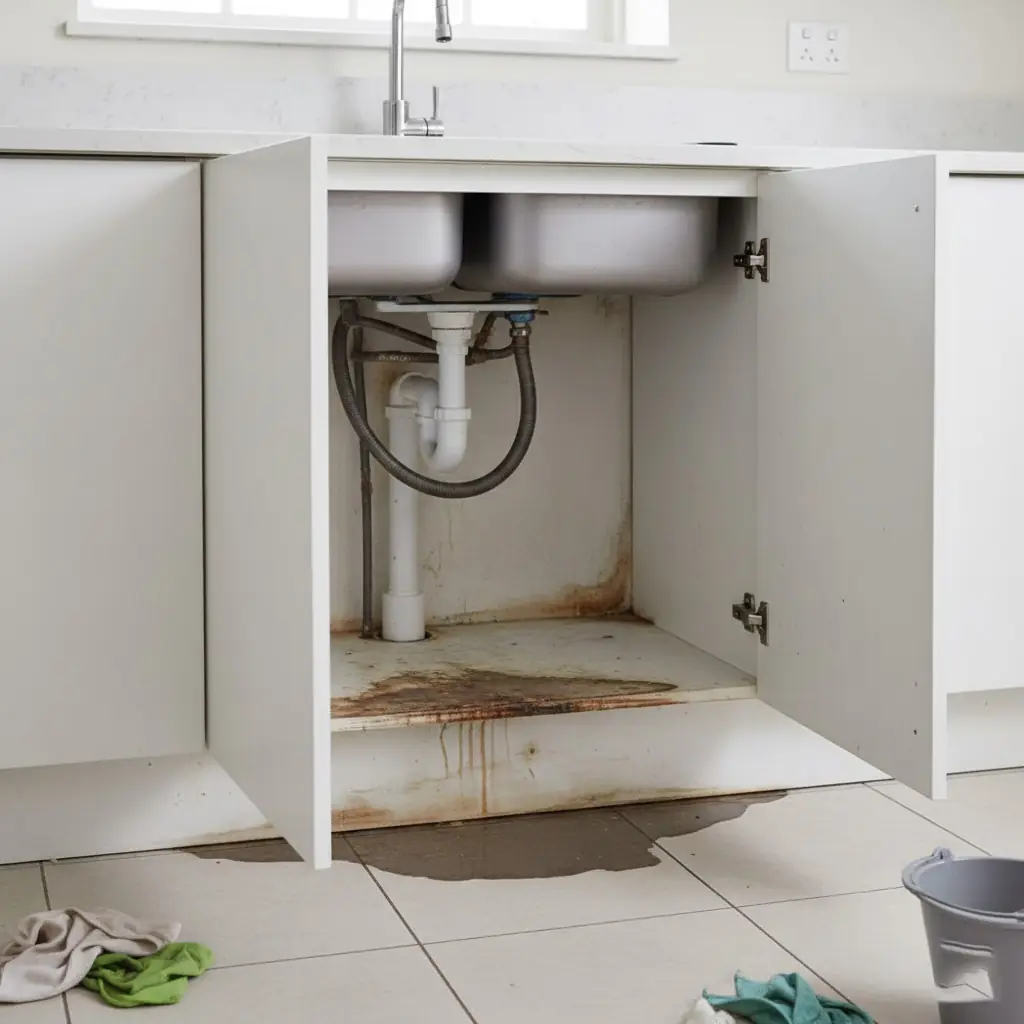
Once you've sliced out the soggy sections, drying kicks in hard. Skip this, and new mold pops up faster than Seattle fog. Pros haul in commercial-grade dehumidifiers and air movers that suck moisture like a vacuum on steroids.
Check It Twice: Moisture Meters Don't Lie
- Probe every stud and cavity until readings drop below 15% moisture content.
- Wait 48-72 hours minimum. Rushing? You're begging for callbacks.
- In our rainy climate, add antimicrobial treatments to studs for extra insurance.
Now reinstall. Measure twice, cut once on fresh greenboard or moisture-resistant drywall. Screw it tight, tape seams smooth, then mud, sand, prime. One solid job here means walls that shrug off next winter's downpours.
Seal edges with mold-killing compound. Paint matches your trim. Boom—walls tougher than before, no weak spots lurking.
Case Study: Restoring a Rain-Soaked Fremont Townhouse
Picture this: A Fremont townhouse owner calls us in January after a brutal Seattle downpour. Roof leak from clogged gutters flooded two upstairs bedrooms. Drywall sagged like wet cardboard, black mold creeping up the seams.
We arrived fast. Cut out the damage with surgical precision—no guesswork. Here's how we turned disaster into solid walls:
- Day 1: Inspected hidden spots behind cabinets. Removed 40 sq ft of soaked drywall. Set up industrial fans and dehumidifiers.
- Day 2: Tested for mold spores. Applied antimicrobial treatment. Framed new sections with treated wood.
- Day 3: Hung fresh greenboard drywall. Taped, mudded, sanded smooth. Full dry-out confirmed with moisture meters.
Owner was skeptical at first—thought it'd take weeks. We finished in three days. No callbacks, no musty smells. Walls stood strong through the next storm.
Key takeaway? Acting quick on that roof leak saved thousands. Total cost: under $4,000 versus a full gut job at $12K.
Final Words
Seattle's rains don't quit, so your drywall repair game can't either. Skip the shortcuts. One wrong cut, and you're back to square one with mold creeping in faster than Pike Place foot traffic.
Grab pros who know this city's wet tricks inside out. Check our Drywall Water Damage Repair page for the full lineup. Your home deserves walls that laugh at leaks.
- Spot it early. Cut precise. Dry thorough.
- Call now before the next downpour hits.
- Save cash. Protect health. Win big.
That's your blueprint. Act fast, or pay later.
People Also Ask
How do I spot hidden water damage in Seattle home drywall?
Look for discolored or bubbling paint, soft spots when pressed, or a musty odor, especially in humid Seattle basements or after heavy rains. Use a moisture meter to detect hidden saturation behind walls, as visible signs often appear late. Early detection prevents mold growth and structural issues common in our wet climate.
Can I repair water-damaged drywall myself, or should I call pros in Seattle?
Minor surface damage might be DIY-friendly with proper drying, but extensive saturation requires professional assessment to avoid mold spread and ensure code compliance. Seattle's frequent rains amplify risks like electrical hazards, making expert intervention safer and more cost-effective long-term. Pros use precision tools for clean cut-outs and lasting repairs.
How long does drywall water damage repair take in Seattle?
Repair timelines vary from 2-3 days for small areas to a week for larger jobs, including drying, cut-out, and reinstallation. Factors like Seattle's humidity can extend drying phases, but industrial dehumidifiers speed it up. Professional teams minimize downtime with efficient processes tailored to local conditions.
What is the cost of drywall water damage repair in Seattle?
Average costs range from $500-$2,500 depending on damage extent, location, and mold remediation needs in Seattle homes. Factors like accessibility and material quality influence pricing, but insurance often covers much of it. Get a free inspection from local experts to cut out guesswork and get accurate quotes.
How do I prevent mold after water damage to drywall?
Act fast by extracting water and using high-powered fans and dehumidifiers to achieve bone-dry conditions within 48 hours. In Seattle's damp environment, apply antimicrobial treatments during repair and improve ventilation. Professional services ensure complete removal of contaminated material to safeguard health.

Bob Bently is a fire, water, and mold cleaning specialist with over 11 years of experience serving residential and commercial buildings in Seattle, WA. He focuses on water damage restoration and mold remediation for properties affected by the region's wet climate. Bob provides hands-on expertise to local Seattle businesses and homeowners facing emergencies.
Need Water Damage?
Swift water damage restoration in Seattle, WA and nearby areas (98101, 98109, 98121, 98004, 98033), drying properties fast to minimize mold and structural loss.
Get Water Estimate