


⚡ TL;DR: Learn practical steps for Crawl Space Water Removal in Seattle homes, from spotting moisture signs and extraction techniques to waterproofing for lasting protection.
📋 What You’ll Learn
In this Seattle crawl space water removal guide, you’ll learn to identify moisture signs, tackle local flood causes, execute safe extraction, apply pro drying techniques, and secure waterproofing for a dry foundation.
- Spot hidden crawl space water signs like damp odors, buckling floors, efflorescence, and mold in Seattle homes to catch issues early and avoid costly structural damage.
- Uncover Seattle-specific flooding triggers from heavy rains, expansive clay soils, faulty drainage, and poor grading that commonly inundate crawl spaces year-round.
- Master initial safe water assessment with PPE, moisture meters, and basic pumping to extract standing water quickly while minimizing exposure to contaminants.
- Deploy pro removal and drying tools using submersible pumps, industrial dehumidifiers, and air scrubbers to fully restore dry conditions and prevent mold growth.
- Install permanent waterproofing solutions like vapor barriers, sump pumps, improved ventilation, and French drains tailored for Seattle's wet climate longevity.
📖 Reading time: 7 min
✍️ Author expertise: Licensed Seattle water damage pro with 15 years of real crawl space flood removal experience.
Ever stepped into your Seattle home after a brutal rainstorm and caught that faint, musty whiff rising from below? That's your crawl space screaming for help, with water pooling under your floors, ready to rot beams and spawn mold that could wreck your health and wallet.
In this soggy city, unchecked moisture in the crawl space isn't just annoying.It's a silent killer attacking your foundation, leading to sagging floors, skyrocketing energy bills, and repairs that hit five figures fast.
But here's the good news: you can slam the door on that water invasion right at the source.
Stick around as we break down the exact steps for crawl space water removal in Seattle that pros swear by to keep your home rock-solid and dry.
Spotting the Signs: How to Identify Crawl Space Water Issues in Seattle Homes
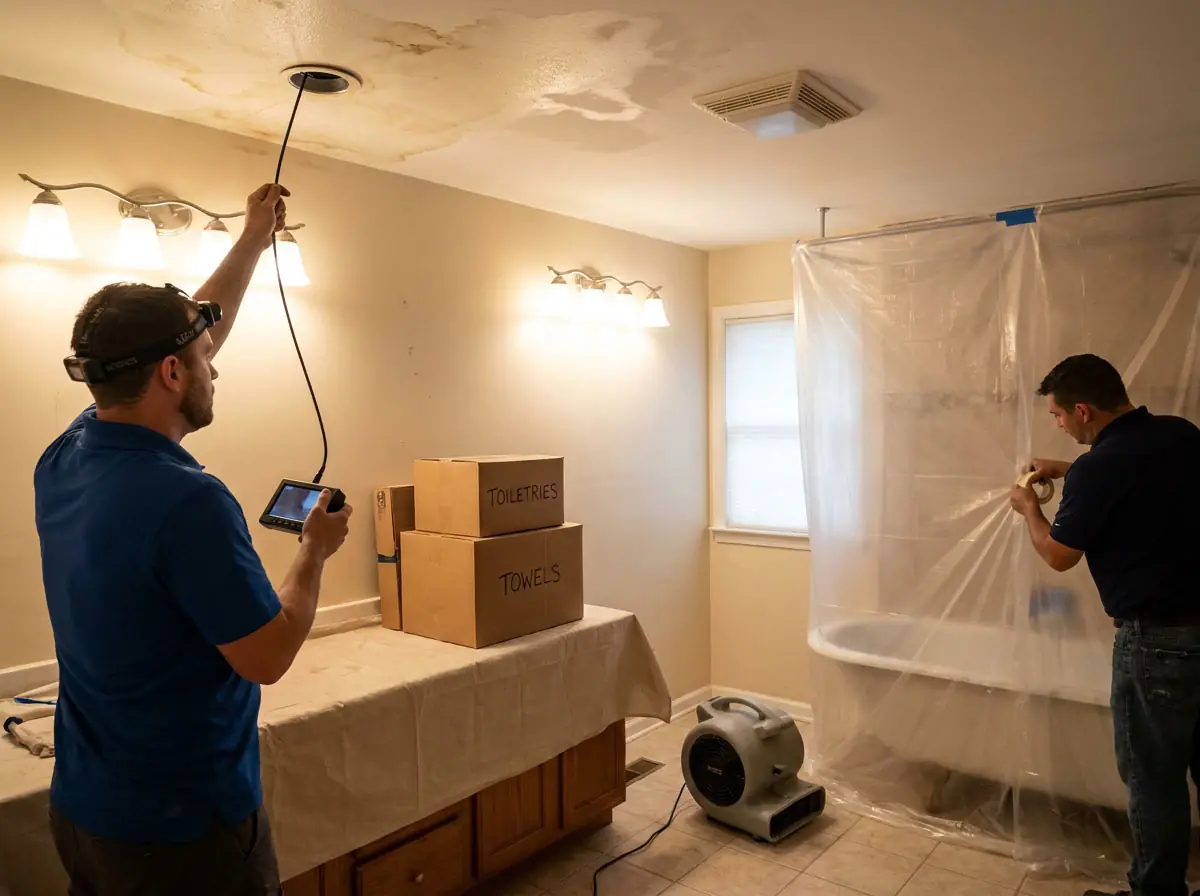
Your nose knows first. That damp, earthy stench wafting up from floors or vents? It's not just old basement vibes. It's water rotting your home from below.
Peek under there if you dare. But watch for these dead giveaways that scream "flood alert."
Red Flags You Can't Ignore
- Warped or sagging floors: Soft spots underfoot mean beams are soaking up moisture.
- White, crusty efflorescence on walls: Salts leaching out from trapped water.
- Mold patches or black spots on wood and insulation.
- Pooling water or mud after heavy rains, common in our clay-heavy Seattle soils.
- Sudden spikes in allergy symptoms or that sticky indoor humidity, even with AC blasting.
Don't wait for cracks in foundation walls. Spot these early, and you dodge the big repair bills. A quick flashlight check beats ignoring the problem.
Seattle-Specific Culprits: Why Rain, Poor Drainage, and Soil Cause Crawl Space Flooding
Seattle's endless drizzle isn't just poetic. It dumps over 37 inches of rain yearly, straight into your crawl space if things aren't buttoned up right.
That constant downpour soaks the ground around your home. Water seeks the lowest point, and guess what? Your crawl space wins that race every time.
Relentless Rain: The Obvious Villain
- Gray skies mean groundwater rises fast, pushing moisture through foundation cracks.
- Even light rain adds up. Over months, it turns your dry crawl space into a swamp.
- Pro tip: Check gutters. Overflowing ones dump water right at your base.
Poor Drainage and Sloppy Grading
Your yard slopes wrong? Water pools against the house. Seattle's clay-heavy soil holds it there like a sponge.
Cracked downspouts or clogged French drains make it worse. Suddenly, your crawl space pulls double duty as a kiddie pool.
Local soil expands when wet, heaving against foundations. That pressure forces water inside, starting the rot cycle nobody wants.
First Response: Safe Assessment and Initial Water Extraction Techniques
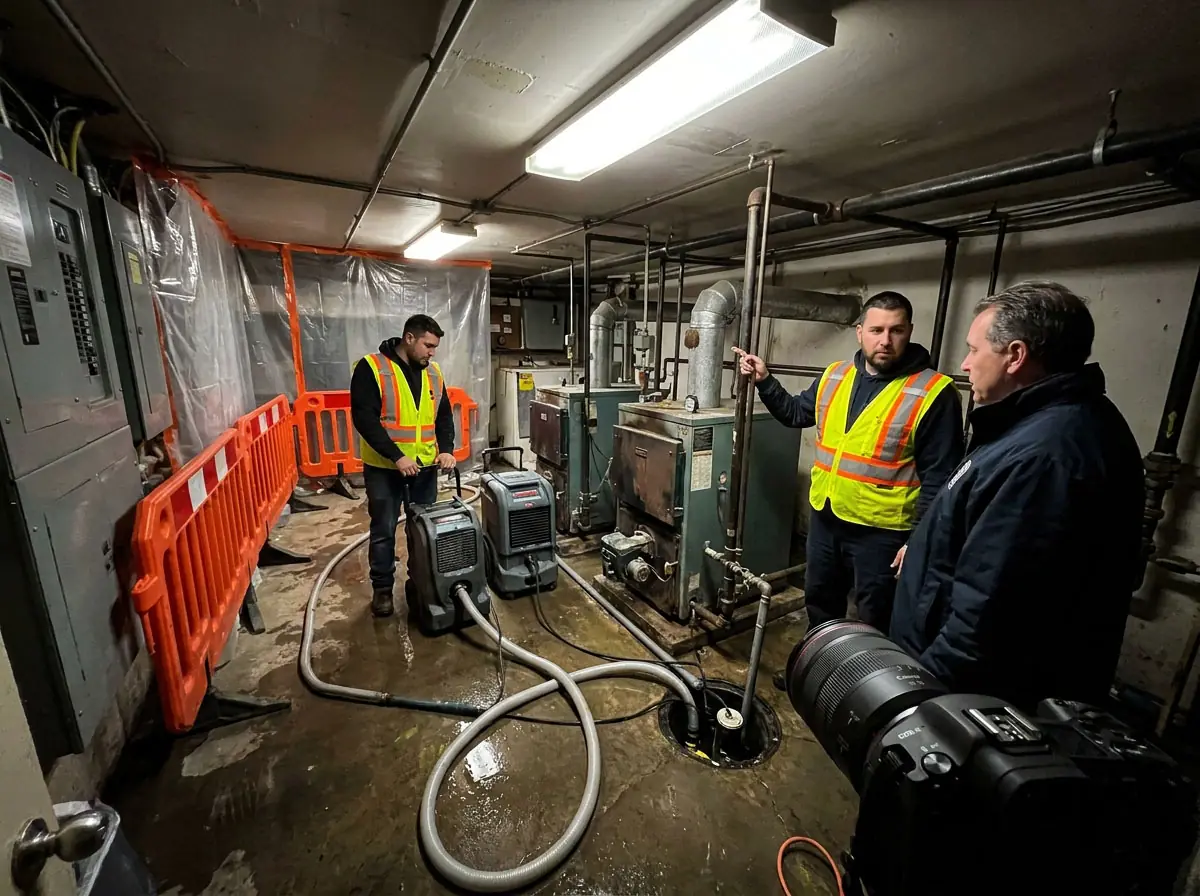
Water in your crawl space? Stop everything and prioritize safety first. That murky soup could hide electrical hazards, weakened joists, or toxic mold spores. Grab a flashlight, sturdy gloves, and a mask rated N95 before you peek.
Quick Safety Check Before Diving In
- Shut off power to the area at the breaker box. No shocks on your watch.
- Look for standing water touching wires or outlets. If yes, call pros immediately.
- Sniff for gas leaks or test air quality if you suspect fumes.
These steps take minutes but save lives. Seattle's damp climate amps up the risks, so don't play hero.
Once safe, assess the mess. Shine that light around: measure water depth with a stick, note soaked insulation, and snap photos for insurance. Shallow puddles under an inch? You might handle initial extraction yourself.
Grab a shop vac or portable pump from your garage. Suck up water in sections, starting farthest from the entrance to avoid spreading mud. Work fast, but dump outside away from your foundation. This buys time until the pros arrive with heavy gear.
Pro-Level Removal: Pumps, Dehumidifiers, and Drying Methods That Work
Once you've got the initial water out, it's time to call in the pros. They skip the kiddie stuff and deploy industrial-grade submersible pumps that suck up gallons per minute without a hitch. These beasts handle Seattle's deep puddles from relentless downpours, leaving your crawl space bone-dry in hours.
Pumps That Don't Quit
- Trash pumps chew through mud and debris other pumps choke on.
- High-capacity models extract up to 200 gallons a minute, perfect for flooded foundations.
- Pros position them strategically for complete coverage, no dead zones.
No more guessing. They monitor levels with sensors to ensure every drop vanishes.
Dehumidifiers and Air Movers: The Drying Duo
Water hides in wood and soil long after it looks gone. Pros fire up commercial dehumidifiers that pull 100+ pints of moisture daily from the air. Pair them with high-velocity air movers that blast warm, dry air everywhere, slashing drying time by days.
Result? Zero mold risk. Your beams stay solid, energy bills drop, and that musty smell? History.
Sealing the Deal: Waterproofing and Ventilation Upgrades for Lasting Dryness
Water removal is just step one. Now lock it out for good with bulletproof waterproofing. Skip this, and you'll be back mopping in months.
Waterproof Your Crawl Space Like a Fortress
Start with a heavy-duty vapor barrier. Lay down thick 20-mil polyethylene sheeting over the entire floor and walls.
- Tape seams tight. No gaps for sneaky moisture.
- Extend it up the foundation walls at least 6 inches.
- Seal around piers and pipes with foam or caulk.
This blocks ground vapor cold. Your crawl space stays bone-dry.
Crank Up Ventilation to Suck Out Humidity
Install powered vents or exhaust fans. They pull damp air out fast, especially during Seattle's wet spells.
Pair them with ridge vents or solar fans for passive pull. Aim for 1 sq ft of vent per 150 sq ft of crawl space.
- Check for blockages yearly.
- Add insulated ducts if your HVAC runs through there.
- Test humidity levels. Keep under 60% or call pros.
These upgrades slash mold risk and cut your heating bills. Your home breathes easy now.
Real Results: Case Study of a Seattle Family's Crawl Space Rescue
Meet the Johnsons, a family of four in West Seattle. They ignored a damp smell for months until floors started buckling and their energy bills spiked 40%.
One rainy November, standing water reached six inches deep in their 1,200 sq ft crawl space. Mold growth threatened their kids' asthma. They called us in panic.
The Rescue Plan in Action
- Day 1: Inspected and pumped out 500 gallons using high-capacity trash pumps. Set up containment to protect their home.
- Day 2-3: Deployed industrial dehumidifiers and axial fans for turbo drying. Tested air quality hourly.
- Day 4: Installed a vapor barrier and sump pump system. Sealed vents for controlled ventilation.
Six months later? Zero moisture. Floors leveled out. Bills dropped back to normal.
The Johnsons sleep easy now. Their home's foundation? Bulletproof against Seattle downpours.
Final Thoughts
Water in your crawl space doesn't wait around. It spreads fast, chewing through wood and inviting mold that hits your family hard.
Beat it by spotting signs early and calling in the pros before small drips turn into disasters.
Quick Action Checklist
- Sniff out musty odors after rain. Check for damp spots or buckling floors right away.
- Grab a flashlight and peek under the house. See standing water? Shut off power and call help.
- Skip the DIY traps. Pros use heavy-duty pumps and sealants that hold up to Seattle's downpours.
Ready to lock out moisture for good? Hit up our crawl space water removal team in Seattle today. Your dry foundation – and peace of mind – starts now.
People Also Ask
How much does crawl space water removal cost in Seattle?
Crawl space water removal costs in Seattle typically range from $1,500 to $5,000, depending on the extent of flooding, access issues, and required equipment like pumps and dehumidifiers. Factors such as Seattle's clay soils and heavy rains can increase complexity, raising prices for thorough extraction and drying. Contact local experts for a free assessment to get an accurate quote tailored to your home.
Can I remove water from my crawl space myself in Seattle?
DIY crawl space water removal is possible for minor issues using a wet vac or shop vac, but Seattle's persistent moisture and potential hazards like mold or structural damage make professional help essential. Attempting it alone risks incomplete drying, leading to ongoing problems like wood rot or health issues from poor ventilation. Pros use industrial pumps and dehumidifiers for safe, effective results.
How long does it take to dry a crawl space after water removal in Seattle?
Drying a crawl space after water removal in Seattle usually takes 3-7 days, depending on water volume, humidity levels, and ventilation. High-powered dehumidifiers and air movers speed up the process, but Seattle's rainy climate requires monitoring to prevent re-accumulation. Professionals ensure complete dryness to avoid mold growth.
What causes water in crawl spaces in Seattle homes?
Seattle's frequent heavy rains, poor yard drainage, and expansive clay soils are primary causes of crawl space water intrusion. High water tables and inadequate foundation gutters exacerbate flooding during winter storms. Proper grading and waterproofing prevent these issues from compromising your home's foundation.
How do you prevent crawl space flooding in rainy Seattle?
Install French drains, sump pumps, and vapor barriers to redirect water away from your crawl space foundation in Seattle's wet climate. Improve exterior grading and add gutters with extensions for better drainage. Regular inspections by water damage pros ensure long-term protection against moisture buildup.

Bob Bently is a fire, water, and mold cleaning specialist with over 11 years of experience in residential and commercial buildings throughout Seattle, WA. He focuses on water damage restoration tailored to the region's frequent rain and flooding challenges. His local knowledge ensures thorough, efficient services for Seattle homeowners and businesses.
Need Water Damage?
Swift water damage restoration in Seattle, WA and nearby areas (98101, 98109, 98121, 98004, 98033), drying properties fast to minimize mold and structural loss.
Get Water Estimate