


⚡ TL;DR: This Seattle guide provides a step-by-step roadmap for repairing basement water damage, from safety and extraction to mold remediation, structural fixes, and a West Seattle case study.
📋 What You’ll Learn
In this Seattle roadmap for basement water damage repair, you’ll master proven steps from immediate safety to complete restoration, tackling our wet climate and common local pitfalls.
- Prioritize safety and source detection to safeguard your home and family while identifying leaks or floods typical in Seattle’s rainy season basements quickly and effectively.
- Execute emergency extraction and drying using pro techniques to remove water fast, prevent warping, and halt moisture buildup in damp Pacific Northwest environments.
- Conduct thorough damage assessments revealing hidden issues like structural weaknesses or mold risks unique to Seattle basements built on challenging soils and slopes.
- Tackle mold remediation and rebuilds restoring air quality and strength through expert repairs, with real West Seattle case study insights for lasting results.
📖 Reading time: 7 min
✍️ Author expertise: Seattle water damage pro with 20+ years restoring basements from local floods and leaks.
Rain pounds Seattle's rooftops like it owns the place, and one morning you head downstairs for coffee only to find your basement transformed into a murky indoor pool.
Your heart sinks as you spot ruined boxes, warped floors, and that musty smell creeping up. This isn't just a mess, it's a ticking clock on mold, structural rot, and skyrocketing repair bills if you don't act fast.
We've helped hundreds of Seattle homeowners claw back from this nightmare with a proven repair roadmap that cuts through the chaos.
Follow these steps to dry out, assess damage, and restore your space stronger than before.
Step 1: Prioritize Safety and Identify the Water Source
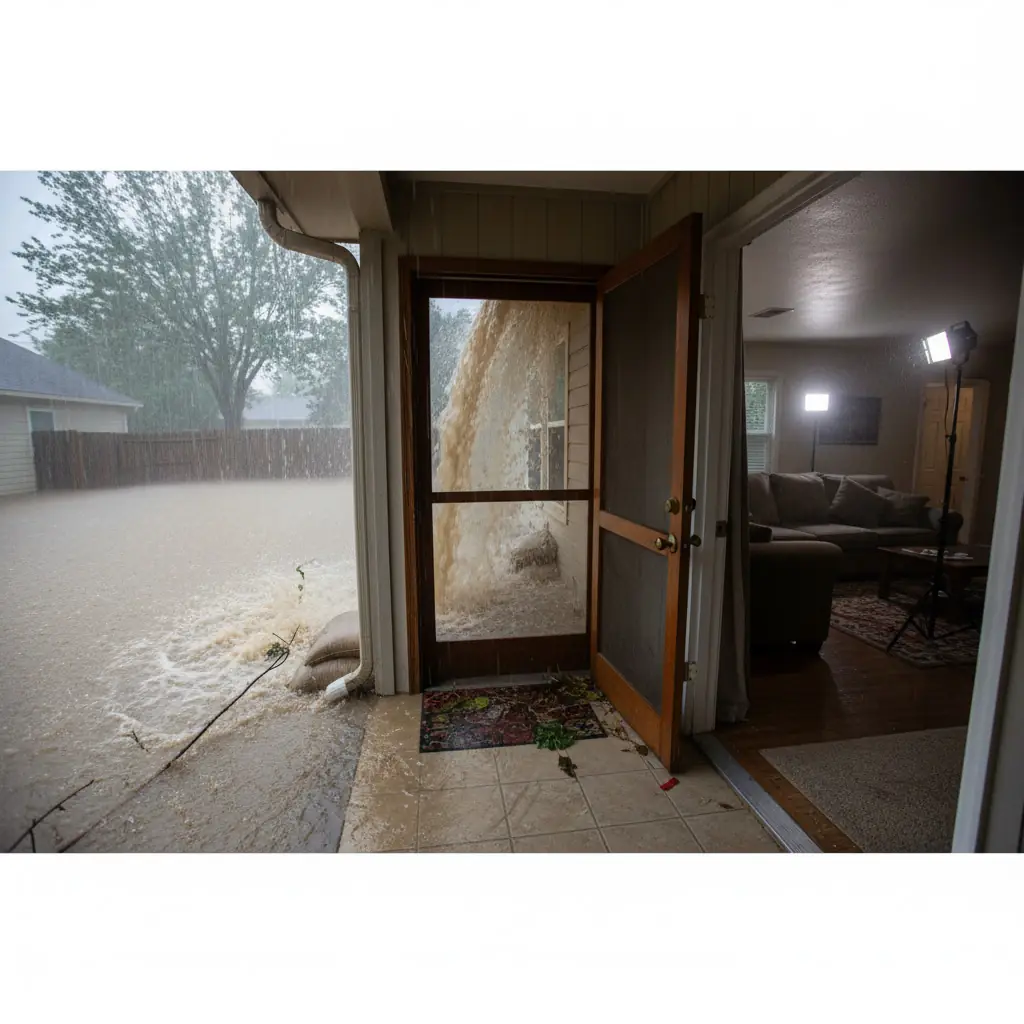
First things first: stay out until it's safe. Sloshing through ankle-deep water risks electric shocks from outlets or appliances. One wrong step, and you're calling paramedics instead of plumbers.
Quick Safety Checks Before You Dive In
- Shut off power at the breaker box. Water and electricity mix badly in Seattle basements.
- Turn off the main water valve if pipes burst.
- Wear rubber boots and gloves. Avoid touching anything submerged.
Now hunt the source. Check gutters clogged with fir needles, cracked foundation walls from our soggy soil, or sump pump failures during those endless downpours. Fix it fast, or water keeps pouring in like an uninvited guest.
Grab your phone. Snap photos of the mess for insurance. Then call pros like us—we pinpoint leaks hidden behind walls that DIYers miss.
Step 2: Emergency Water Extraction and Drying Process
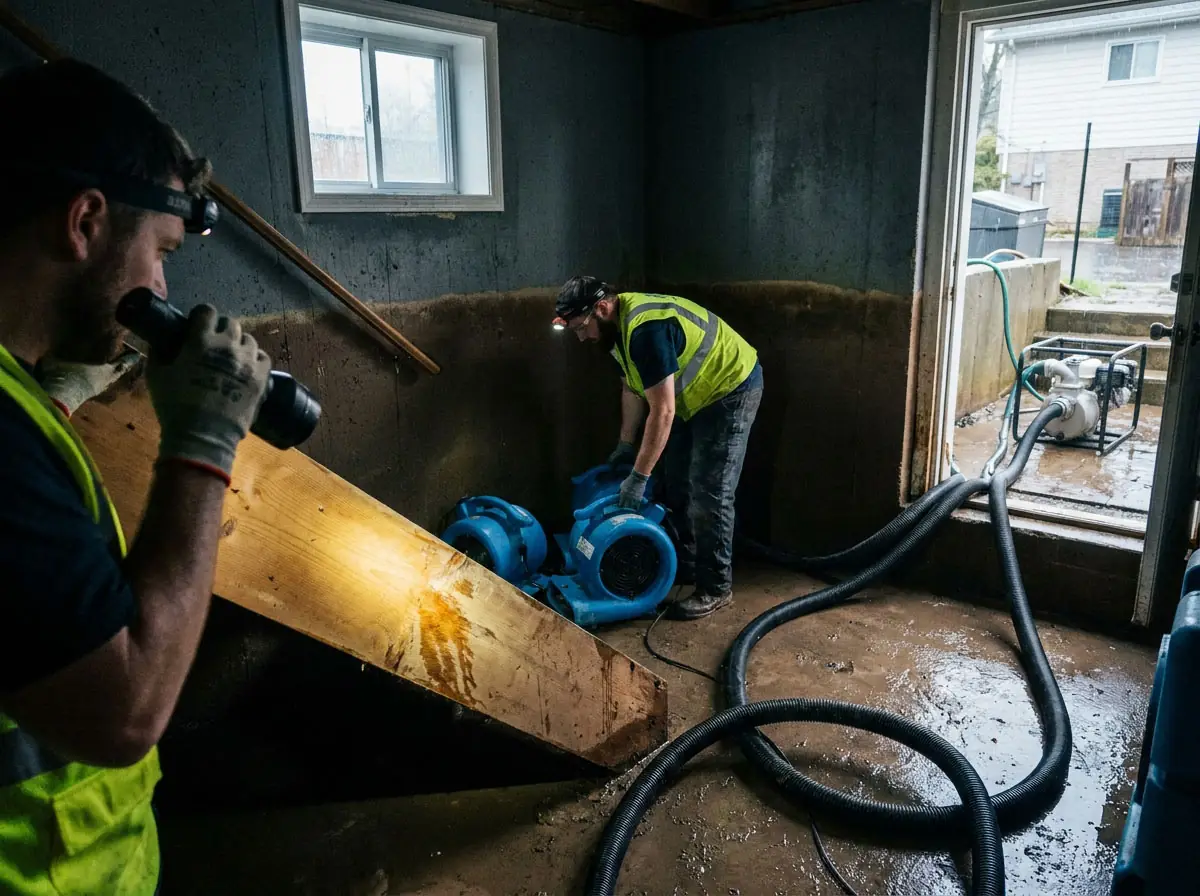
Stop the flood in its tracks. Grab towels or a shop vac for minor spills, but call pros immediately for standing water. Every hour counts - water seeps into walls, floors, and hidden spots, breeding bacteria fast.
Key Extraction Tools We Deploy
- High-powered truck-mounted pumps suck out gallons per minute, no matter the depth.
- Portable extractors hit tight corners and carpeted areas.
- Wet vacuums clear sludge from drains and low spots.
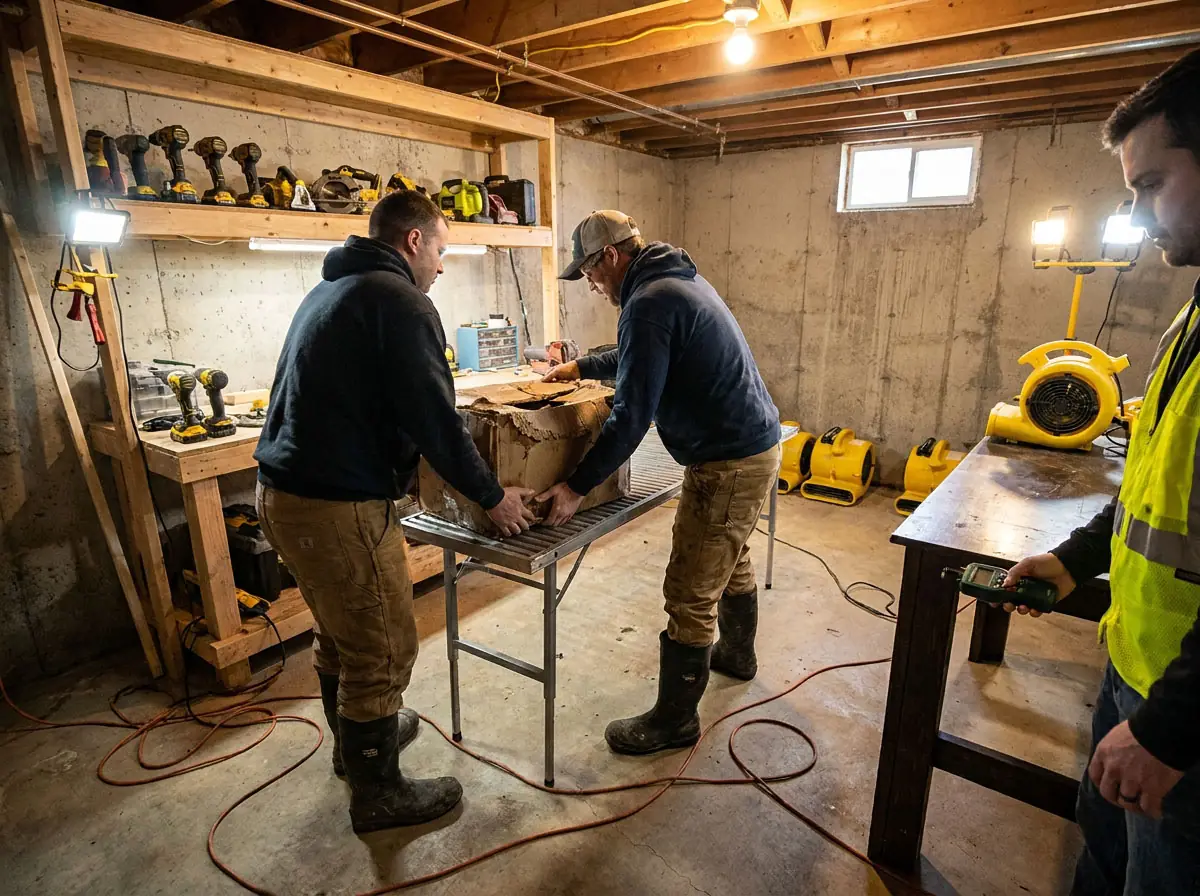
Extraction done? Now the drying marathon begins. We unleash industrial fans, dehumidifiers, and air movers pointed right at wet zones. Moisture levels drop below 15% in days, not weeks - measured with thermal cameras and moisture meters every step.
Skip this right, and you're handing mold an invitation. Homeowners often think fans alone work; they don't. Pros monitor 24/7, adjusting airflow to pull dampness from concrete slabs and studs.
Step 3: Comprehensive Damage Assessment in Seattle Basements
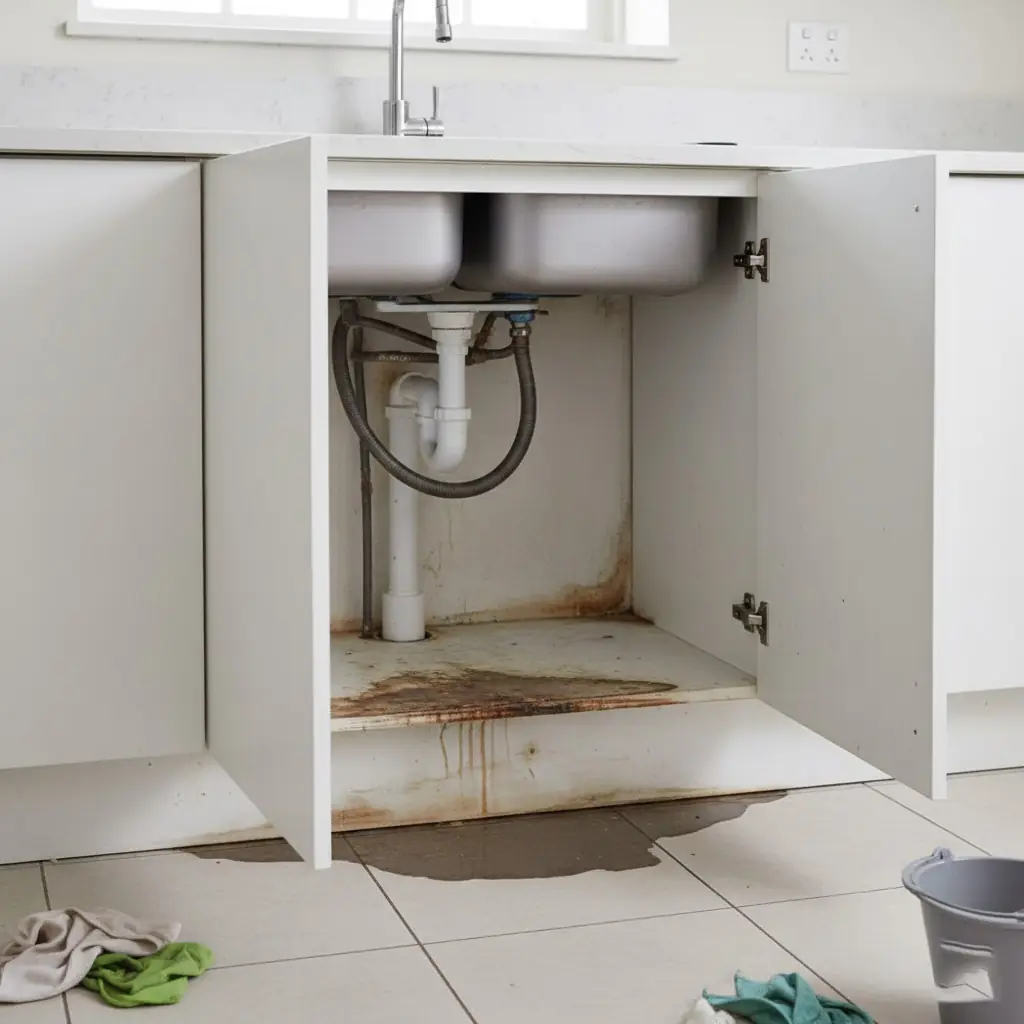
Water hides like a thief in Seattle basements. It soaks into concrete walls, creeps under slabs, and lurks behind drywall. Skip this step, and you patch the surface while rot eats your foundation alive.
Grab your phone and call in certified inspectors right after drying. They use thermal imaging cameras and moisture meters to spot trouble you can't see. In our rainy corner of the world, groundwater pressure from heavy clays demands this deep dive.
Key Areas to Inspect
- Foundation cracks: Measure width and depth; even hairlines can worsen with winter rains.
- Framing and joists: Probe for softness or black staining from hidden saturation.
- Electrical systems: Test outlets and wiring for shorts that could spark disaster.
- HVAC ducts: Check for standing water or mold buildup affecting your whole house air.
Document everything with photos and notes. This builds your insurance claim and guides repairs. Pros in Seattle know local codes cold, so they flag issues like sump pump failures common here.
Step 4: Mold Remediation and Indoor Air Quality Restoration
Water sits around too long, and mold crashes the party. In Seattle's damp climate, it explodes fast - think black spores on walls, furniture, even hidden in drywall. Skip this step, and you're breathing toxic air while your health takes a hit.
Zero-Tolerance Mold Removal
We hit mold hard with pros who know basements. No half-measures. Here's the battle plan:
- Air it out: Industrial fans and dehumidifiers suck moisture dry first.
- Contain the spores: Seal off the area with plastic sheeting to stop spread.
- Scrub and kill: HEPA vacuums, antimicrobial sprays, then remove ruined materials.
Testing before and after confirms it's gone for good.
Breathable air matters downstairs too. We restore it with fresh filters, UV lights, and ozone-neutral treatments tailored for Seattle homes. Your basement turns safe haven again - no lingering funk or health worries.

Step 5: Structural Repairs and Full Basement Rebuild
Water doesn't just soak your stuff. It chews through concrete walls, buckles floor joists, and cracks foundations like they were made of chalk. In Seattle's soggy climate, skipping this step means your basement crumbles next rainy season.
Our crews roll in with lasers and levels for a no-stone-unturned inspection. We spot every fracture, every sagging beam. Then we get to work: injecting epoxy into cracks, sistering joists with pressure-treated lumber, and pouring fresh concrete where needed.
Rebuild Smarter, Not Harder
- Upgrade waterproofing: Install French drains or sump pumps tied to Seattle's relentless downpours.
- Reinforce walls with steel beams if bowing shows up from hydrostatic pressure.
- Lay new subfloors with moisture barriers that laugh at humidity.
Finish with insulation and drywall that seals out damp forever. Your basement comes back tougher, ready for gym gear or a man cave. No shortcuts. Just rock-solid results.
Case Study: Reviving a West Seattle Basement After Heavy Rains
Picture this: Mike in West Seattle wakes up to two feet of water in his basement after a brutal November downpour. Soggy carpet. Buckled drywall. Family heirlooms floating like lost ships. He called us at 6 AM, panic in his voice.
We hit the ground running. Step 1: Shut off power, traced the flood to a cracked foundation drain clogged with leaves. Truck-mounted extractors sucked out 1,500 gallons in hours. Air movers and dehumidifiers kicked in next, drying everything bone-dry in 72 hours.
From Gutted to Glory
Assessment revealed hidden rot under the stairs. Mold spores lurked in corners. We ripped out the bad stuff, treated with EPA-approved killers, then rebuilt with waterproof membranes and sump pumps.
- Cost savings: $8K less than full demo by spotting issues early.
- Timeline: Back to usable in 10 days, not months.
- Bonus: New French drain handles Seattle's endless rain like a champ.
Mike's basement? Now a game room. No musty whiff. Family thrilled. He sleeps easy knowing it's tougher than before.
Final Thoughts
Seattle's relentless downpours don't take breaks. Your basement could flood again tomorrow if you skip prevention now. Beat the odds by acting on this roadmap today.
Start with simple checks: Clean gutters twice a year. Install sump pumps. Seal foundation cracks before they widen.
- Monitor downspouts directing water away from your home.
- Upgrade to flood-resistant materials during repairs.
- Schedule annual inspections with pros who know Seattle soil.
Don't let one flood turn into a money pit. Grab your phone and call our team for a free assessment. Dive deeper into solutions at our Basement Water Damage page, then get your space back to bone-dry.
People Also Ask
How long does basement water damage repair take in Seattle?
Basement water damage repair in Seattle typically takes 3-7 days for minor issues, but severe flooding can extend to several weeks depending on the extent of damage and drying needs. Our team prioritizes rapid water extraction and drying within the first 24-48 hours to prevent mold. Factors like Seattle's humid climate and basement size influence timelines, so professional assessment is key for accurate estimates.
What causes the most common basement water damage in Seattle?
The primary causes include heavy rainfall, poor drainage, and clogged gutters, exacerbated by Seattle's wet winters. Hydrostatic pressure from saturated soil and burst pipes during freezes also contribute significantly. Identifying and fixing these sources early prevents recurrence in our rainy Pacific Northwest climate.
How much does basement water damage repair cost in Seattle?
Costs range from $1,500-$5,000 for minor water removal and drying, up to $10,000+ for structural repairs and mold remediation in Seattle basements. Prices depend on water volume, affected area, and materials like drywall or flooring. Many homeowners rely on insurance, and we provide free estimates to outline transparent pricing.
Can I fix basement water damage myself in Seattle?
DIY is not recommended for basement water damage due to risks of incomplete drying, mold growth, and structural issues hidden in Seattle's older homes. Professionals use industrial equipment for thorough extraction and assessment. Attempting fixes yourself may void insurance claims and lead to costlier problems later.
How can I prevent basement water damage in Seattle's rainy climate?
Install French drains, sump pumps, and extend downspouts at least 5 feet from the foundation to manage Seattle's frequent rains. Regular gutter cleaning and grading soil away from the house are essential preventive steps. Schedule annual inspections with local experts to catch vulnerabilities before floods strike.

Bob Bently is a fire, water, and mold cleaning specialist with over 11 years of experience serving residential and commercial buildings in Seattle, WA. He provides restoration services tailored to the local area's unique climate challenges. His expertise supports property owners throughout the Puget Sound region.
Need Water Damage?
Swift water damage restoration in Seattle, WA and nearby areas (98101, 98109, 98121, 98004, 98033), drying properties fast to minimize mold and structural loss.
Get Water Estimate