
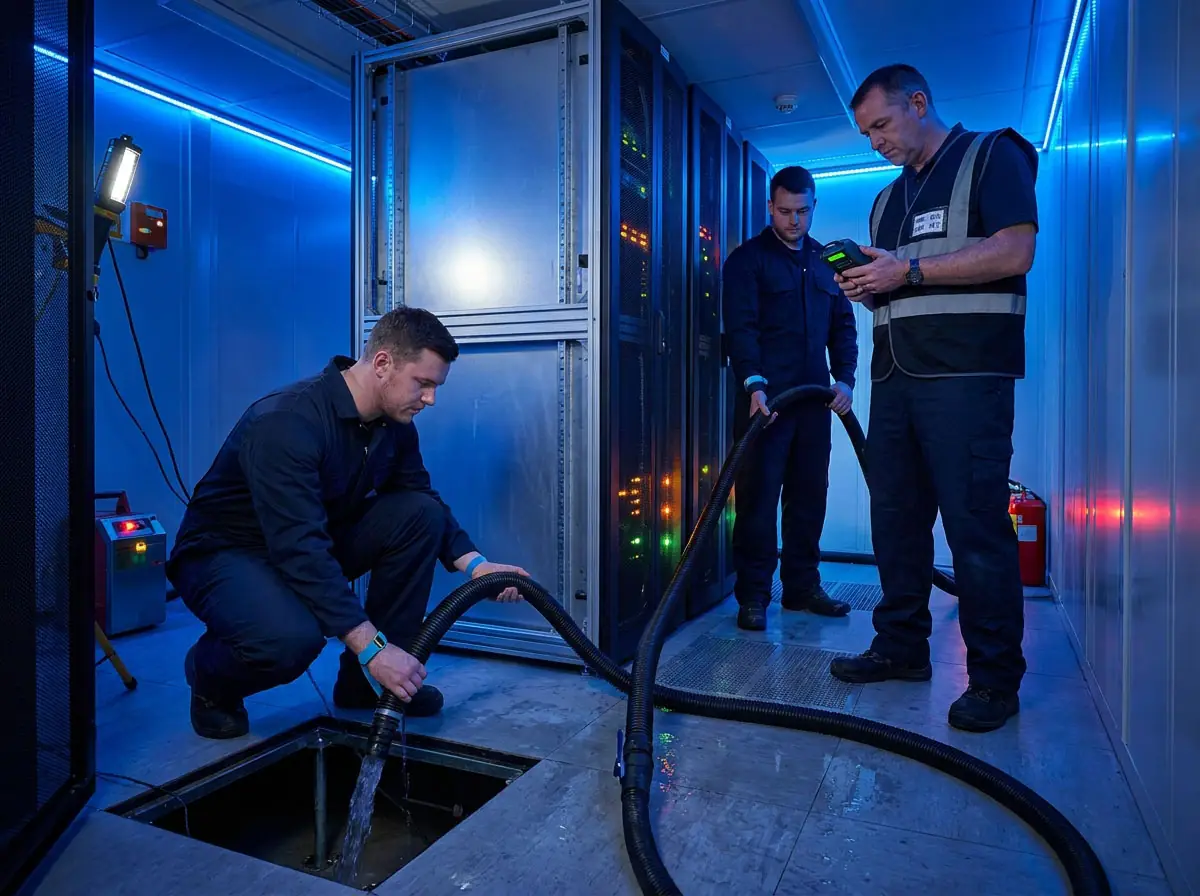


⚡ TL;DR: Discover effective basement flooding cleanup steps in Seattle, from rapid assessment and water extraction to drying, mold remediation, and structural repairs, to prevent a second wave of damage.
📋 What You’ll Learn
In this guide to basement flooding cleanup in Seattle, you’ll learn critical steps to halt the second wave of damage from water, mold, and structural threats in our rainy climate.
- Master rapid damage assessment in wet Seattle basements to pinpoint water sources, evaluate extent, and prioritize actions before mold and rot take hold.
- Extract water efficiently with industrial pumps and proven methods designed for heavy Seattle downpours, minimizing further saturation and hidden pooling.
- Accelerate drying against humidity using dehumidifiers and air movers to combat Seattle’s moist air and restore safe, dry conditions swiftly.
- Detect and eliminate mold through expert inspections and immediate remediation to protect health and prevent the silent second wave disaster.
📖 Reading time: 7 min
✍️ Author expertise: Seattle water damage pro with 20+ years of field experience restoring flooded basements.
It's 3 a.m. in Seattle, and that relentless Pacific Northwest rain has turned your basement into a swimming pool. You grab buckets, towels, anything to stop the chaos, but here's the brutal truth: the water's gone, yet the real nightmare lurks in the shadows, ready to strike again.
Mold spores explode in the damp darkness, hidden behind walls and under carpets, turning a one-time flood into a health hazard that hits your family hard. In Seattle's soggy climate, ignoring this sets off the second wave of destruction, costing you thousands in repairs you never saw coming.
We've seen it crush homeowners just like you, but it doesn't have to. Stick around to learn the exact steps our team uses for basement flooding cleanup that kills the flood dead and stops that second wave cold.

First Critical Step: Rapid Damage Assessment in Wet Seattle Basements
Your basement flood hits hard and fast. Every minute counts before hidden damage spreads. Call in pros right now for a rapid damage assessment that spots trouble before it explodes.
We roll up sleeves and dive in. First, we check for safety hazards like electrical risks or weakened structures. Then, we trace the water source, from burst pipes to that endless Seattle downpour seeping through cracks.
Key Checks in Our Assessment
- Water levels and flow: Measure depth and mark high-water lines.
- Wall and floor saturation: Probe for soaked drywall or buckling floors.
- HVAC and utility exposure: Shut down systems to prevent cross-contamination.
- Belongings triage: Salvage what we can, flag the rest for targeted drying.
This blueprint guides every move. Miss it, and you're blind to the real threats lurking below. Get it right, and you slash repair costs by half.
Extract the Water: Industrial Pumps and Proven Extraction Methods
Your basement's a sponge right now. That standing water? It wrecks wood studs, warps floors, and feeds bacteria. We roll in with truck-mounted extractors that suck out gallons per minute, faster than any shop vac you own.
Why Speed Crushes the Flood
Delay extraction by hours, and water migrates. It hides in cracks, under slabs. Our gas-powered submersible pumps dive deep, pulling out sludge no DIY tool touches.
- Submersibles for pooled water over 2 inches.
- Wet vacuums for carpets and rugs.
- Self-priming trash pumps for debris-filled floods.
Seattle basements often mean clay soil pushing water back in. We seal sump pumps and block doors first. Result? Dry in hours, not days.

Dry It Out Fast: Dehumidifiers, Air Movers, and Seattle's Humidity Battle
Water out? Great. But Seattle's constant drizzle means your basement stays saturated if you slack on drying. Hit it hard with industrial dehumidifiers that suck moisture straight from the air, dropping humidity levels below 50% in hours.
Air movers crank up the action. These beasts blast high-velocity winds across wet surfaces, speeding evaporation tenfold. Pair them right, and you slash drying time from weeks to days.
Beat Seattle Humidity: Our Pro Setup
- Position dehumidifiers centrally, hoses dumping water outside.
- Angle air movers to create a whirlwind effect, no dead spots.
- Monitor with thermal cameras. Hot spots mean hidden dampness lurking.
Skip this rush, and mold feasts. Our crews nail it every time, saving basements across the city.
Hunt the Hidden Enemy: Professional Mold Inspection and Immediate Remediation
Water's out, but mold? It's throwing a party in your basement right now. In Seattle's damp grip, those spores multiply fast, burrowing into drywall, wood, even your HVAC system if you wait.
Skip the DIY sniff test. Our pros hit it with thermal imaging cameras and air sampling to spot colonies you can't see. No guesswork. Just facts that save your health and wallet.
Remediation That Kills Mold Dead
Once we find it, we attack. HEPA vacuums suck up spores. Antimicrobial treatments wipe out the roots. Every surface gets scrubbed, sealed, or replaced if needed.
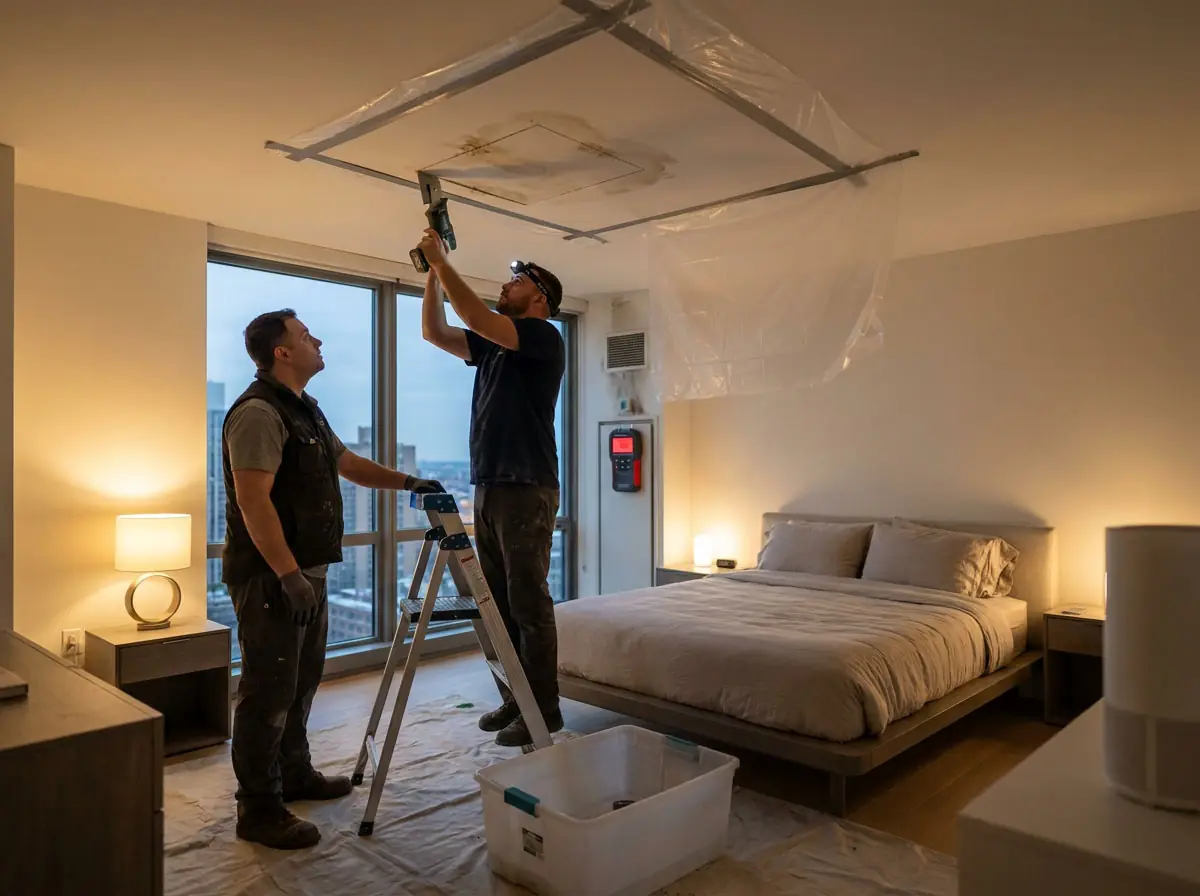
- Containment first: Plastic sheeting and negative air machines trap spores during cleanup.
- Deep clean: Fogging reaches cracks no brush can touch.
- Post-check: Air tests confirm zero growth before we pack up.
One overlooked patch turns your fix into a recurring nightmare. We make sure it sticks.
Structural Checkup: Wall, Floor, and Foundation Repairs That Last
Water doesn't just sit pretty in your basement. It seeps into walls, weakens floors, and undermines foundations, setting up cracks that widen with every rainy season here in Seattle.
Skip this step, and your "fixed" basement crumbles under pressure. Our crews roll in with laser levels, moisture meters, and structural engineers to spot damage before it bites back.
Walls: Patch or Replace?
- Cracks wider than a pencil? Inject epoxy to seal them tight.
- Swollen drywall? Rip it out, treat studs with antimicrobials, then rebuild stronger.
- Concrete block walls bowing? Install steel braces that hold for decades.
Floors and Foundations: The Real Backbone
Slab floors buckle from soaked soil underneath. We jackhammer test cores, pump out trapped water, and pour self-leveling compounds for a rock-solid finish.
Foundation shifts demand piers or helical anchors driven deep into stable earth. No shortcuts. These fixes laugh at Seattle's endless downpours.
Case Study: Saving a Capitol Hill Home from Total Second Wave Disaster
Picture this: Sarah in Capitol Hill wakes up to two feet of water in her basement after a brutal Seattle storm. She mops up what she can, but two weeks later, black mold patches bloom on her walls. Her family's coughing non-stop, and quotes for full gutting hit $45,000.
Our crew arrives same day. We skip the panic fixes. Instead, hit it with our proven playbook: rapid assessment revealed water trapped in insulation, industrial pumps sucked out 1,200 gallons hidden under the subfloor.
Key Moves That Turned It Around
- Dehumidifiers on steroids: Pulled 80% moisture in 48 hours, despite Seattle's 70% outdoor humidity.
- Mold hunt with thermal cameras: Zapped spores behind drywall before they spread upstairs.
- Structural scan: Reinforced cracked foundation walls with epoxy injections, no demo needed.
Three weeks total. Sarah's basement? Bone dry, mold-free, family back to normal. She dodged that $45K bomb, spent just $12K, and now sleeps easy knowing the second wave got crushed.
Final Words: Your Complete Checklist to Conquer Basement Floods Forever
You've got the blueprint now. Follow this no-BS checklist next time Seattle's rain punches your basement. Skip a step, and that second wave crashes back hard.
Grab These Tools Before Disaster Strikes
- Moisture meter for spotting hidden water traps.
- Shop vac or industrial pump for quick extraction.
- Dehumidifiers and fans to fight our endless humidity.
Act fast. Call pros for basement flooding cleanup if it's over your head. One wrong move, and mold owns your home.
Tick off assessment. Extract. Dry. Inspect for mold. Check structure. Boom. Your basement stays dry, your family safe, your wallet intact.
People Also Ask
What is the "second wave" of damage after basement flooding in Seattle?
The "second wave" refers to secondary damages like mold growth, structural weakening, and ongoing water intrusion that occur after the initial flood if not addressed promptly. In Seattle's damp climate, humidity accelerates this process, turning a manageable flood into a major restoration nightmare. Professional cleanup stops this cascade by extracting water, drying thoroughly, and remediating hidden threats.
How quickly should basement flooding cleanup begin in Seattle?
Start cleanup within 24-48 hours to prevent the second wave of mold and structural damage, as Seattle's high humidity speeds up deterioration. Delaying even a day can lead to exponential issues like warped floors and compromised foundations. Call experts immediately for rapid assessment and water extraction to minimize long-term costs.
Can I handle basement flood cleanup myself in Seattle?
DIY efforts often fail against Seattle's persistent moisture, risking incomplete drying and the second wave of mold proliferation. Without industrial pumps, dehumidifiers, and mold inspection tools, hidden water pockets remain, causing ongoing damage. Professionals ensure thorough restoration, saving you from costly repeats.
How to prevent mold after basement flooding in Seattle?
Extract all water fast with industrial equipment, then deploy high-powered dehumidifiers and air movers to combat Seattle's humidity. Follow with professional mold inspection to eliminate spores before they spread. Regular maintenance and sealants provide lasting protection against future floods.
What does professional basement flooding cleanup cost in Seattle?
Costs vary from $1,500 to $5,000+ based on flood extent, but rapid action prevents pricier second-wave repairs like mold remediation or foundation fixes. Seattle pros offer free assessments to provide accurate quotes tailored to local conditions. Investing upfront saves thousands in the long run.
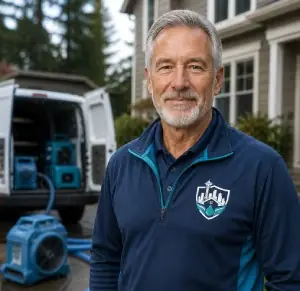
Bob Bently is a fire, water, and mold cleaning specialist with over 11 years of experience in residential and commercial buildings. Based in Seattle, WA, he provides restoration services tailored to the local climate and challenges. His work focuses on thorough cleanup and recovery for Seattle-area properties.
Need Water Damage?
Swift water damage restoration in Seattle, WA and nearby areas (98101, 98109, 98121, 98004, 98033), drying properties fast to minimize mold and structural loss.
Get Water Estimate