
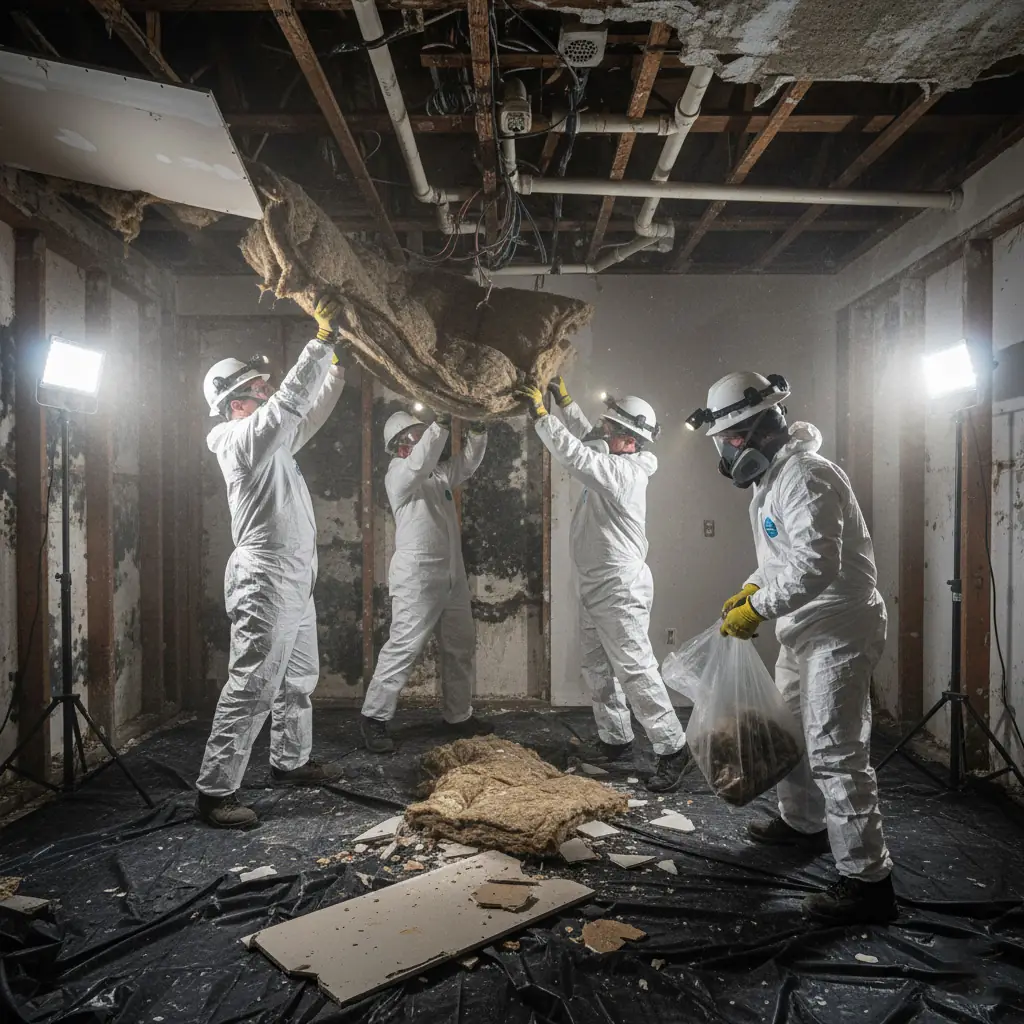


⚡ TL;DR: This guide helps Seattle homeowners spot sewage backup causes and signs, apply DIY prevention, follow response steps, and access professional Sewage Backup Cleanup to safeguard their homes.
📋 What You’ll Learn
In this Seattle-focused guide to avoiding sewage backup disasters, you’ll learn key causes, warning signs, prevention tactics, emergency responses, and pro cleanup strategies to safeguard your home.
- Identify top causes of backups in Seattle homes, including tree roots, grease clogs, heavy rains, and aging pipes that overwhelm local sewer systems during wet seasons.
- Spot early warning signs like slow drains, gurgling fixtures, foul odors, and bubbling toilets to act fast before sewage floods your space.
- Apply proven DIY prevention tips tailored for Seattle, from proper waste disposal and pipe inspections to root barriers and drain cleaning routines.
- Master a step-by-step response plan for backups, prioritizing safety, containment, initial cleanup, and knowing when to call local pros for full restoration.
- Discover pro cleanup and fixes through a real Fremont case study, highlighting long-term solutions like pipe relining for Seattle's rainy climate.
📖 Reading time: 7 min
✍️ Author expertise: Seattle water damage pro with 15+ years of field experience in sewage backup cleanups.
You're pouring your morning coffee when the basement door flies open with a godawful stink. Sewage surges from the drains like a toxic volcano, turning your Seattle home into a sloshy nightmare overnight.
Our endless rains hit hard here in the Emerald City, overwhelming old pipes and turning routine backups into full-blown disasters that cost thousands to fix.
The good news? You don't have to wait for the flood to call the pros.
Discover the dead-simple strategies Seattle homeowners use to stop sewage backups dead in their tracks.
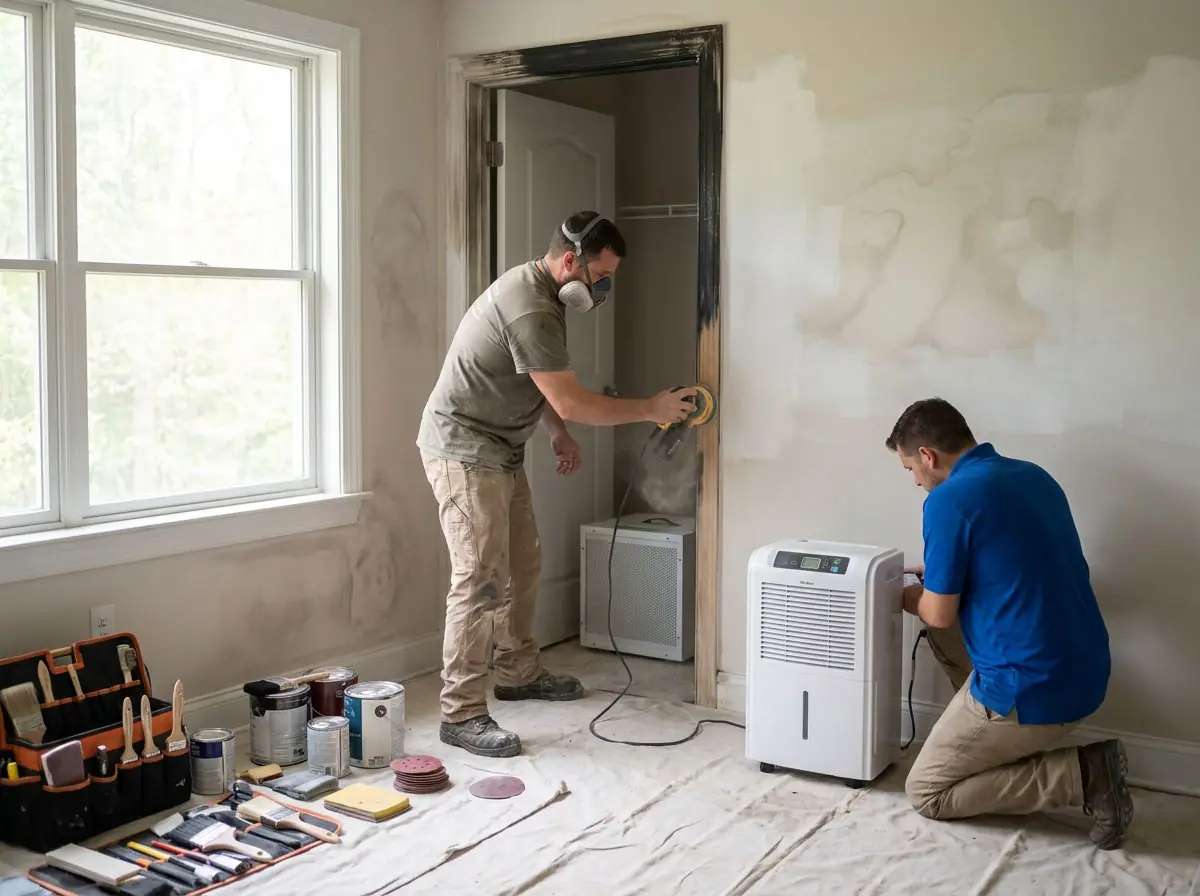
Common Causes of Sewage Backups in Seattle Homes
Picture this: relentless Seattle downpours hammer your roof while city sewers groan under the load. Those ancient pipes from the 1920s? They crack and buckle, letting rainwater mix with waste and push back into your home.
Tree roots love our wet soil. They snake into sewer lines through tiny joints, swelling into blockages that trap everything downstream.
Inside your house, everyday habits bite back hard. Here's what clogs pipes fastest:
- Greasy kitchen drain pour-offs that harden like concrete.
- Flushed "flushables" like wipes and sanitary products that never break down.
- Hair buildup in bathroom drains, tangled with soap scum.
Slope matters too. Homes on hillsides see backups when downhill lines jam, forcing sewage uphill into your drains.
Early Warning Signs to Watch for in Your Pipes
Picture this: your shower drain gurgles like a grumpy old man after every use. That's not normal. It's your pipes screaming for attention before the big backup hits.
Sounds and Smells That Spell Trouble
- Gurgling noises from toilets or sinks? Air trapped in clogged lines.
- Foul, rotten-egg stench wafting from drains? Sewage gases sneaking through cracks.
- Bubbling in the tub while the washer runs? Shared lines under pressure.
Slow drains are another red flag. Food scraps, grease, or tree roots invading Seattle's clay pipes turn trickles into backups fast. Test every fixture weekly.
Look beyond the obvious. Water seeping up through floor cracks or soggy spots near the foundation mean groundwater pushing sewage back. Ignore these at your peril.
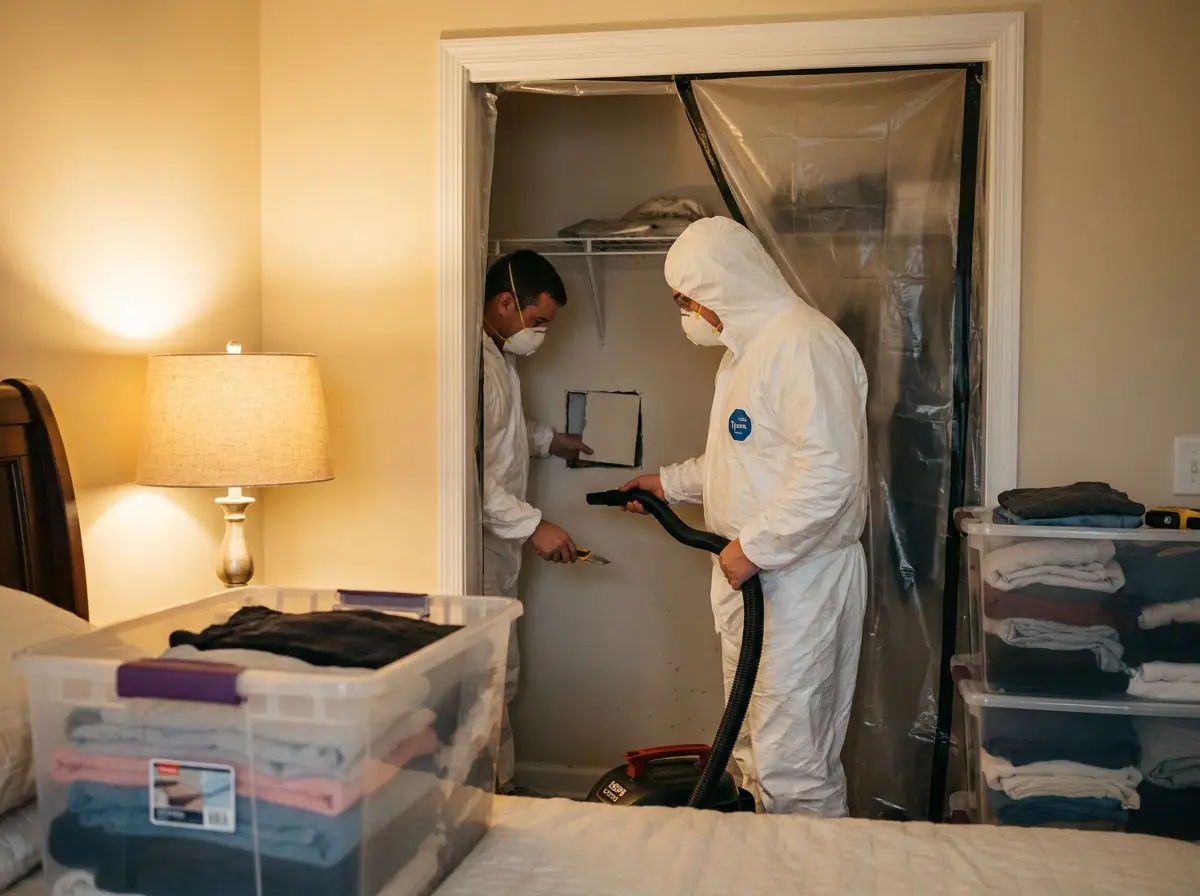
Proven DIY Prevention Strategies for Seattle Homeowners
Start by knowing your enemies. Seattle's relentless downpours team up with tree roots and grease clogs to ambush your pipes.
Beat them at their own game with these no-brainer moves you can knock out this weekend.
Flush Like a Pro
- Skip the wipes, even "flushable" ones. They build up like concrete in our aging sewers.
- Pour boiling water down drains weekly. Melts grease before it hardens.
- Never dump cooking oil. Let it cool, trash it solid.
Root Out the Invaders
Those bigleaf maples love snaking roots into pipes. Spot cracks in your yard? Dig shallow trenches and apply root barriers from any home store.
Run a natural enzyme cleaner monthly. Breaks down organic buildup without harsh chemicals.
Seal and Inspect
Check cleanouts under sinks and in the basement. Clear leaves from yard drains during rain season.
Install backwater valves if your home sits low. A one-time $300 fix saves thousands in floods.
Step-by-Step Response Plan if Backup Hits
Sewage doesn't wait for you to get your act together. Hit pause on panic and follow this battle plan to limit the damage in your Seattle home.
Immediate Lockdown: First 60 Seconds
- Evacuate everyone - especially kids and pets. Toxic fumes can knock you out fast.
- Shut off the main water valve. No more flow means less flood.
- Kill power to the affected area at the breaker. Water plus electricity equals hospital trip.
Grab your phone. Snap photos of the mess right now - insurance loves proof.
Contain and Call in the Cavalry
- Block off doors with towels or plastic sheeting. Keep the sludge from spreading.
- Do not flush toilets or run water. You're just feeding the beast.
- Dial pros immediately: 206-555-CLEAN for 24/7 Seattle response. We're talking Category 3 biohazard here - DIY is suicide.
While waiting, ventilate if safe. Open windows, crank fans outward. Pros arrive in under an hour to pump, disinfect, and restore.

Case Study: Rescuing a Rain-Soaked Fremont Basement
Picture this: It's a typical Seattle downpour in Fremont. Sarah, a local artist, wakes up to raw sewage bubbling from her basement floor drain. Her 1920s home's clay pipes couldn't handle the storm surge mixed with clogged roots.
She calls us at 6 AM. Within 45 minutes, our crew hits the scene with truck-mounted extractors and industrial fans. No hesitation – we isolate the mess first to stop the spread.
Quick Action Timeline
- Hour 1: Pump out 200 gallons of contaminated water. Seal off drains.
- Hour 2-3: Jet the main line to blast tree roots. Apply enzyme treatments to break down organics.
- Day 1 Finish: Disinfect surfaces with EPA-approved biocides. Set up dehumidifiers to dry everything fast.
By day two, air quality tests pass with flying colors. Sarah's back in her studio, no health scares, and her insurance claim sails through thanks to our detailed photos and reports. Total cost? Under $4,500 – way less than a full gut job.
Professional Sewage Cleanup and Long-Term Fixes
Sewage isn't just gross. It's a biohazard loaded with bacteria, viruses, and chemicals that can sicken your family for weeks. Leave it to Seattle's top water damage crews who show up 24/7 with industrial pumps and full PPE gear.
Swift Pro Cleanup: What Happens Next
- They extract the mess fast, using truck-mounted vacuums that suck out gallons in minutes.
- Disinfect every surface with EPA-approved killers to wipe out 99.9% of pathogens.
- Dry it all out with dehumidifiers and air movers, preventing mold from crashing the party.
Skip the amateurs. One wrong move spreads contamination deeper into walls and floors.
Lock It Down for Good: Permanent Pipe Solutions
After cleanup, smart homeowners upgrade. Trenchless pipe lining seals cracks without digging up your yard, perfect for Seattle's soggy soil.
Or go big with full sewer line replacement using epoxy coatings that laugh at tree roots and endless downpours. Call in experts for a camera inspection first, it spots hidden breaks before they blow up again.
Final Words
Sewage backups don't announce themselves with fanfare. They strike fast, especially during Seattle's relentless downpours. But armed with these tactics, you stay one step ahead.
Commit to weekly checks on your drains. Snag issues early. Skip the regret of a midnight flood.
- Install backwater valves now - they pay for themselves the first time.
- Skip chemical cleaners; they wreck pipes long-term.
- Map your home's plumbing quirks today.
Disasters wait for no one. When pipes rebel anyway, grab pros for sewage backup cleanup that restores sanity fast. Your dry basement awaits.
People Also Ask
What causes sewage backups in Seattle homes?
Sewage backups in Seattle often stem from clogged pipes due to tree roots, grease buildup, or flushed non-degradable items like wipes. Heavy rains overwhelm aging sewer systems, common in older neighborhoods like Capitol Hill. Poor maintenance exacerbates issues during wet winters.
How can I spot early signs of a sewage backup?
Watch for gurgling toilets, slow drains, foul odors from drains, or water backing up in showers and sinks. Bubbling in toilets during laundry or dishwasher use signals blockages. In Seattle's rainy climate, monitor for backups after heavy downpours.
What DIY steps prevent sewage backups for Seattle homeowners?
Schedule annual pipe inspections and avoid flushing wipes, grease, or oils down drains. Install backwater valves and clean drains monthly with enzyme cleaners. Trim trees away from sewer lines to prevent root intrusion in Seattle's wet soil.
What should I do immediately if sewage backs up in my home?
Turn off water supply and avoid the area to prevent exposure to harmful bacteria. Do not attempt to unclog; evacuate if severe. Contact a Seattle sewage cleanup expert immediately for safe removal and disinfection.
Why choose professional sewage cleanup in Seattle?
Professionals use specialized equipment to remove contaminated water and dry structures safely. They ensure compliance with Washington health codes and prevent mold growth. Long-term fixes like pipe relining avoid future disasters cost-effectively.
Bob Bently is a fire, water, and mold cleaning specialist with over 11 years of experience serving residential and commercial buildings in Seattle, WA. He focuses on water damage restoration tailored to the Pacific Northwest's climate challenges. Bob brings local expertise to every project, ensuring thorough cleanup for Seattle-area properties.
Need Water Damage?
Swift water damage restoration in Seattle, WA and nearby areas (98101, 98109, 98121, 98004, 98033), drying properties fast to minimize mold and structural loss.
Get Water Estimate