


⚡ TL;DR: This guide teaches Seattle homeowners to spot attic mold early in the rainy climate, perform DIY inspections, and use professional removal to prevent downstairs spread and health risks.
📋 What You’ll Learn
In this Seattle attic mold guide, you'll uncover why rainy weather sparks disasters, spot invasion signs early, grasp health risks, master inspections, and explore pro removal before downstairs spread.
- Uncover Seattle's climate mold triggers like relentless rain, leaky roofs, poor ventilation causing rapid attic growth and threats to downstairs living spaces.
- Spot 8 early invasion signs including musty smells, ceiling stains, allergy spikes, and visible spores signaling attic mold ready to spread downstairs.
- Grasp health and structural dangers from unchecked mold like respiratory issues, wood rot, ruined insulation, and expensive repairs in damp Seattle homes.
- Master DIY inspection steps for Seattle attics plus pro removal processes ensuring safe, effective cleanup without health or spread risks.
- Study a West Seattle rescue case detailing toxic mold removal success, key lessons, and prevention tips from real field experience.
📖 Reading time: 7 min
✍️ Author expertise: Seattle water damage pro with 15 years attic mold remediation from rainy NW field jobs.
Ever wake up in your Seattle home to that faint, musty stench drifting from upstairs, only to discover your attic's turned into a toxic jungle?
One overlooked leak from our endless rains, and boom—black mold takes hold up there, silently plotting its march downstairs into your living spaces.
Left unchecked, it wrecks your health, your structure, and your peace of mind.
Discover how to spot attic mold early and kill it dead before it invades your daily life.
Why Seattle's Rainy Climate Breeds Attic Mold Disasters
Seattle gets slammed with over 150 rainy days a year. That constant drizzle soaks roofs and siding, sneaking moisture into attics through tiny cracks. Before you know it, damp wood and poor ventilation turn your attic into a mold factory.
Our foggy winters trap humidity up high, where air barely circulates. Roof leaks from old shingles? Common here. Add in Seattle's mild temps that slow drying, and mold spores explode on untreated surfaces like insulation and rafters.
Prime Culprits in Seattle Attics
- Chimney flashing failures from wind-driven rain.
- Vent blockages by leaves and nests.
- Aging roofs buckling under endless wet weight.
One unchecked drip can spread black mold colonies fast. Spot it early, or watch it creep downstairs.
8 Early Signs Your Attic Mold is About to Invade Downstairs
Spot these red flags fast. Your attic mold doesn't announce itself with fanfare. It sneaks downstairs through cracks, vents, and time.
Ignore them, and you're inviting a full-blown invasion. Catch them now. Here's what to watch for in your Seattle home.
- Musty smell in bedrooms or hallways. That earthy stench isn't old socks. It's mold spores dropping from above.
- Dark stains on ceiling corners. Water marks turn fuzzy? Mold's pushing through drywall.
- Sudden allergy spikes. Sneezing, itchy eyes with windows shut? Airborne spores from the attic.
- Peeling paint on upper walls. Bubbling or flaking near the ceiling means moisture's migrating down.
- Warped or soft ceiling spots. Press gently. If it gives, mold's eating from upstairs.
- Dusty black residue on fans or lights. Spores hitch a ride on air currents into living spaces.
- Spike in home humidity. Readings over 60% downstairs? Attic dampness is leaking through.
- Family colds that won't quit. Persistent coughs or sinus issues signal toxic mold invasion.
Health Hazards and Structural Damage from Unchecked Attic Mold
Picture this: mold spores floating down from your attic, sneaking into every breath you take downstairs. We're talking black mold like Stachybotrys, the nasty stuff that pumps out mycotoxins. It hits kids, seniors, and anyone with allergies hardest.
Health Risks You Can't Ignore
- Coughing fits and wheezing that won't quit, even in dry weather.
- Constant headaches, fatigue, and skin rashes popping up out of nowhere.
- Worse? Respiratory infections or asthma flares that land you in the ER.
Seattle's damp air makes it spread fast. One ignored patch turns your home into a sick bay.
Structural Damage That Drains Your Wallet
Up in the attic, mold chews through wood like termites on steroids. Roof beams weaken. Insulation turns to mush.
- Rotten rafters lead to sagging ceilings downstairs.
- Electrical wiring shorts out from moisture, sparking fire risks.
- By the time you see stains on walls, repair bills skyrocket into the tens of thousands.
Act now, or watch your investment crumble.
Step-by-Step DIY Attic Mold Inspection for Seattle Homeowners
Before you climb into that damp attic, grab your gear. Pull on gloves, goggles, and an N95 mask. Seattle's mold loves to kick up spores that irritate lungs fast.
Quick Safety Check
- Turn off attic power at the breaker. No shocking surprises.
- Check for solid footing. Wet insulation slips like ice.
- Flashlight ready? Darkness hides the worst spots.
Start low. Shine your light along walls and rafters for black, green, or white fuzzy patches. Sniff around. That earthy stink screams mold party.
Probe deeper. Press a plastic sheet against suspect areas for 48 hours. Condensation underneath? You've got moisture feeding the beast. Snap photos. Document everything for pros later.
Professional Attic Mold Removal: The Safe, Effective Process
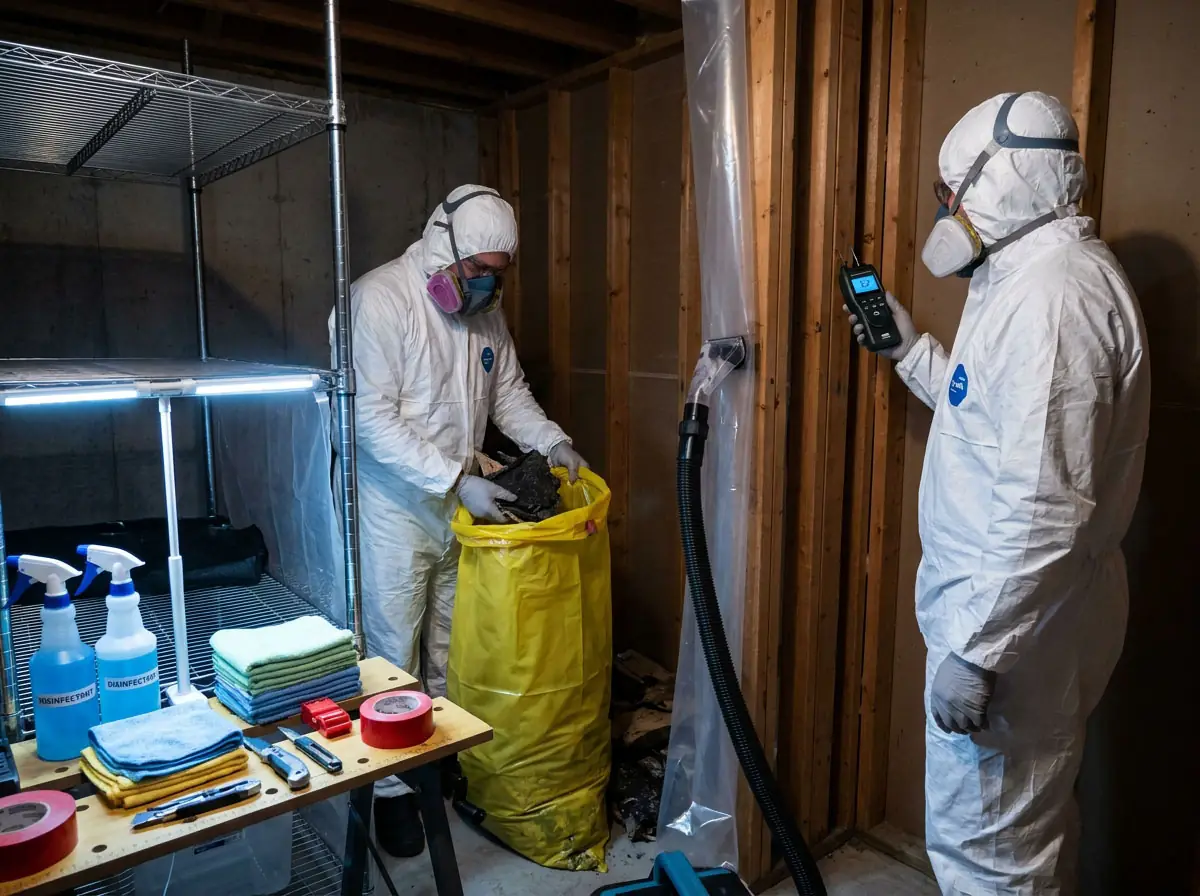
DIY fixes sound tempting, but attic mold in Seattle homes often hides deep infestations that bleach alone can't touch. Pros bring industrial-grade tools, respirators, and certifications to handle toxic black mold without spreading spores downstairs. Skip the risks. Call in experts who guarantee results.
Our Proven 5-Step Removal Process
- Full Attic Inspection: We scan every inch with moisture meters and air sampling to map the mold's reach.
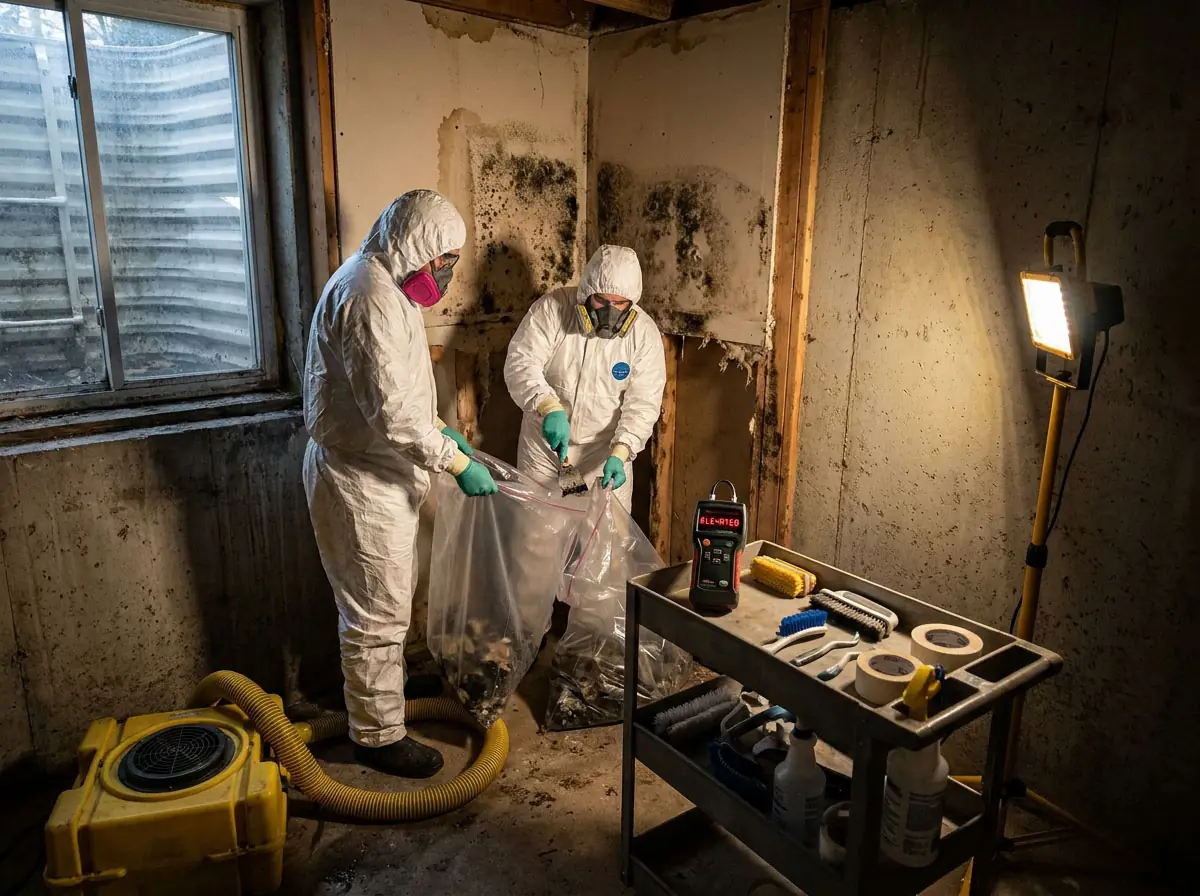
- Containment Setup: Seal off the attic with plastic sheeting and negative air machines. No spores escape to your living areas.
- Safe Removal: HEPA-vacuum surfaces, scrub with EPA-approved antimicrobials, then dispose of ruined insulation.
- Drying and Prevention: Blast high-capacity dehumidifiers to kill moisture sources. Install vents tailored for rainy Seattle weather.
- Final Clearance Test: Air quality checks confirm it's gone for good, with a written warranty.
This process crushes mold at the source. Homeowners sleep better knowing their family's health stays protected. In Seattle's damp attics, pros deliver peace that lasts.
Case Study: Rescuing a West Seattle Home from Toxic Attic Mold
Meet Sarah, a West Seattle homeowner who ignored a small roof drip during last winter's downpours. By spring, her attic reeked of damp earth. Family coughs started, and paint bubbled on upstairs ceilings.
The Shocking Discovery
Our team climbed up and found black mold colonies the size of dinner plates spreading across rafters. Spores had already drifted into HVAC ducts, heading straight downstairs. Sarah's two kids showed allergy spikes—classic red flags.
- Thick, slimy patches under insulation.
- Warped wood framing from constant moisture.
- Air tests confirmed toxic Stachybotrys.
The Rescue Mission
We suited up in full PPE and sealed off the attic. HEPA vacuums sucked up surface mold first. Then, antimicrobial treatments hit every nook, followed by drying fans running 48 hours straight.
Roof repairs fixed the leak source. New insulation went in, vapor barriers too. Total job: three days, no downtime for Sarah's family.
Post-job tests? Zero mold spores. Sarah's home breathed easy again, health issues vanished. Lesson here: call pros at first whiff—don't let it snowball.
Final Thoughts
Spotting attic mold early in your Seattle home isn't optional. It's your first line of defense against health risks and costly repairs. Ignore it, and you're handing over thousands in damages.
Grab a flashlight. Climb up there this weekend. Look for those 8 signs we covered.
- White patches on wood? Red flag.
- Musty odor downstairs? It's already spreading.
- Soft spots in ceilings? Time to call pros.
Skip the DIY if it's black mold or widespread. Our attic mold removal team handles the toxic stuff safely. One call, and your home stays dry.
People Also Ask
How do I know if my attic has mold in Seattle?
Look for musty odors, dark spots on wood beams, or bubbling paint in your attic, especially after heavy Seattle rains. Visible black or green patches on insulation or rafters are clear signs of mold growth. If you spot water stains or feel dampness, call professionals immediately to prevent spread.
Can attic mold spread to downstairs living areas?
Yes, attic mold spores travel through HVAC systems, cracks in ceilings, and plumbing vents, invading downstairs rooms quickly. In Seattle's humid climate, unchecked mold can contaminate your entire home within weeks. Early detection and professional removal stop the spread effectively.
What causes mold growth in Seattle attics?
Seattle's frequent rain, poor attic ventilation, and roof leaks create ideal damp conditions for mold. Ice dams in winter trap moisture, while inadequate insulation leads to condensation. Addressing water intrusion from the source is key to prevention.
Is DIY attic mold removal safe for Seattle homeowners?
DIY methods often fail to remove all spores and can release them into your home, worsening health risks. Seattle's toxic black mold requires PPE and containment pros handle safely. Hire certified experts for thorough, guaranteed results without cross-contamination.
How much does attic mold removal cost in Seattle?
Costs range from $1,500 to $6,000 depending on infestation size, attic access, and moisture repairs needed. Free inspections from local Seattle specialists provide accurate quotes. Investing in pros saves money long-term by preventing structural damage and recurrence.

Bob Bently is a Fire/Water/Mold cleaning specialist with over 11 years of experience serving residential and commercial buildings in Seattle, WA. He focuses on water damage restoration and mold remediation tailored to the local climate and urban challenges. His hands-on expertise helps Seattle property owners recover efficiently from fire, water, and mold issues.
Need Water Damage?
Swift water damage restoration in Seattle, WA and nearby areas (98101, 98109, 98121, 98004, 98033), drying properties fast to minimize mold and structural loss.
Get Water Estimate